



manufactured home with land packages
Investing in manufactured home with land packages offers a unique opportunity to combine the conveniences of modern prefab living with the stability and appreciation potential of land ownership. As more homeowners seek affordable and customizable living solutions, these packages become increasingly appealing, catering to diverse needs ranging from first-time buyers to retirees seeking downsized options. Delving into the nuances of manufactured homes on owned land reveals key insights that underscore their rising popularity.
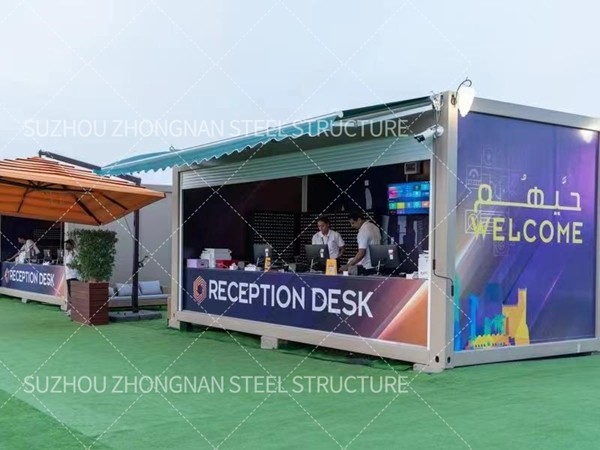
Experience in manufactured home living reveals a comfort level that rivals, and in some cases, surpasses traditional homes. Modern manufactured homes are built to high standards, with construction often overseen by HUD guidelines in the United States, ensuring quality and safety. The personal stories of those who have transitioned to manufactured homes with land highlight significant cost savings without sacrificing style or functionality. For instance, one couple who moved into such a setup mention not only the reduction in monthly expenses due to lower utility bills and property taxes but also the joy of customizing their space. These homes offer energy-efficient systems and customizable designs, enabling homeowners to tailor their domicile from floor plan to finishes.
Professional expertise in real estate and construction further demonstrates the advantages of these home and land packages. Industry experts note that the production of manufactured homes is typically faster than traditional builds, thanks to the indoor construction processes that eliminate weather-related delays. This advantage presents an appealing option for buyers needing to relocate swiftly or those in markets where housing inventory is low. Additionally, experts highlight the financial benefits purchasing a manufactured home with its land often allows more favorable financing options than renting land in a mobile home park. Banks and mortgage companies tend to offer better loan terms when real estate, in the form of land, is part of the package, increasing purchasing power for potential buyers.
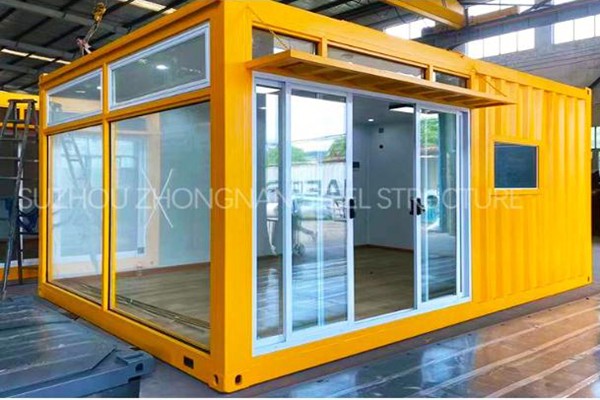
manufactured home with land packages
The authoritative appeal of manufactured homes with land packages is backed by advancements in construction technology and changing perceptions. Recent developments in materials and construction techniques have allowed these homes to stand toe-to-toe with site-built counterparts, offering durability and energy efficiency. Organizations like the Manufactured Housing Institute provide evidence of their eco-friendliness compared to conventional homes due to less waste produced during construction. These improvements have reshaped the narrative around manufactured homes, dissociating them from stereotypes of flimsy constructions and positioning them as a legitimate contender in the housing market.
Trustworthiness in choosing manufactured home and land packages is reinforced through regulatory oversight and industry standards. In many regions, these homes are subject to stringent codes that govern aspects from construction to energy efficiency, ensuring buyers receive a product that is both safe and sustainable. Homeowners also benefit from knowing their investment is secured on owned land, which historically appreciates over time. This appreciation potential is a crucial consideration for many buyers, aiming for both a place to live and a future financial asset. The land component anchors the investment, providing greater long-term stability compared to homes on rented lots, which may face increases in rental fees or relocation needs.
Considering these elements—experience, expertise, authoritativeness, and trustworthiness—manufactured home and land packages present compelling options for today's home buyers. They offer a viable solution that marries affordability, customization, and security in an increasingly uncertain real estate landscape. Whether seeking an affordable family home, a retirement retreat, or an investment opportunity, these packages serve as a testament to the evolving residential market dynamics, paving the way for more innovative and inclusive approaches to homeownership.
Similar Posts
prefab modern
Prefabricated modern homes have been gradually redefining the architectural landscape, epitomizing a revolution that merges efficiency...
chinese container homes
In recent years, Chinese container homes have emerged as a revolutionary trend in sustainable architecture, offering...
Nhà sản xuất để bán với rất nhiều
Khám phá tiềm năng to lớn của việc sở hữu một ngôi nhà được sản xuất...

prefab passive house cost
Exploring the costs of prefab passive houses unveils a fascinating intersection of sustainability, affordability, and modern...
container home builders
Container homes are revolutionizing the housing industry by blending innovation, sustainability, and cost-effectiveness. With experienced container...
pre fab a frame
Prefab A-frame homes are revolutionizing the housing market with their unique blend of efficient design, cost-effectiveness,...


