



Maximizing Space Efficiency In Folding Container Houses
In an era demanding flexibility, sustainability, and cost-effectiveness, innovative housing solutions are reshaping how we live and work. Enter the revolutionary concept of folding container house designs. These structures masterfully blend industrial resilience with architectural ingenuity, transforming compact steel boxes into spacious, functional habitats. At ZN House, we’ve pioneered this evolution since 2005. Founded in Suzhou with a vision to fill the market gap for high-quality, safe container homes, we’ve grown into a global force. Our products reach over 50 countries through 30+ international agents, driven by our purpose: “Building Mobile Homes for the World.” Our team collaborates relentlessly to deliver modular solutions that prioritize durability, adaptability, and eco-efficiency—values embedded in every foldable mobile container house we engineer. This article explores how to maximize space in these transformative dwellings, proving that small footprints can unlock vast possibilities.
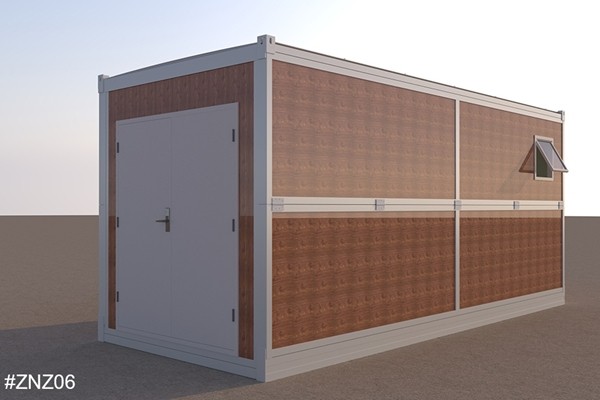
The Engineering Genius Behind Folding Container House Design
The magic of a folding container house lies in its kinetic architecture. Unlike static buildings, these homes feature integrated hinges and hydraulic systems, allowing walls, roofs, and floors to collapse inward. When folded, the unit shrinks to 1/5th its deployed size—streamlining logistics and slashing shipping costs by 60%. This metamorphosis is powered by high-tensile steel joints and precision bearings, ensuring smooth transitions without compromising structural integrity.
Space efficiency begins with the fold. Units deploy in under 2 hours, expanding vertically or laterally to create instant living areas. Cleverly designed multi-functional furniture—fold-down desks, retractable beds, and convertible seating—capitalizes on every inch. For example, a 20ft folded unit transforms into a 40ft living space with lofted sleeping quarters, exploiting verticality. The patented locking mechanisms secure expanded sections, making these homes as stable as traditional builds.
Core Space-Maximizing Features:
| Parameter | Role in Space Efficiency |
| Modular Design | Enables seamless expansions/add-ons without site demolition. |
| Can Be Stacked Into 3 Layers | Triples usable area on small plots via vertical stacking. |
| No Construction Waste | Eliminates space lost to debris/dumpsters during assembly. |
| Galvanized Steel Frame | Thinner yet stronger walls = more interior volume. |
Why Mobility and Space Unite in Foldable Mobile Container House Solutions
A foldable mobile container house redefines portability. Traditional relocatable buildings require flatbed trucks and cranes, but folded units fit standard shipping containers, moving via rail, sea, or road effortlessly. This mobility empowers users: disaster responders deploy pop-up clinics in flood zones; filmmakers create movable base camps; eco-tourism ventures shift cabins seasonally.
Space efficiency shines in transit and deployment. Folded dimensions (e.g., 8’x8’x40’) allow stacking 4 units on one truck versus a single prefab home. Once onsite, integrated leveling jacks stabilize uneven terrain in minutes, bypassing concrete foundations. Interiors feature slide-out kitchens, ceiling-mounted storage, and pocket doors—hardware that vanishes when unused. The Water Collecting System integrates slim rooftop channels and underground tanks, conserving space while enabling off-grid water independence.
Crucially, mobility doesn’t sacrifice comfort. Triple-layered Heat Insulation and Sound Insulation materials line walls thinner than brick yet perform 30% better thermally. A family in Norway uses stacked foldable mobile container house units as a ski chalet, with foldable balconies that retract in blizzards—proving adaptability maximizes utility in any climate.
Tailoring Your Folding Box House for Ultimate Spatial Intelligence
Customization turns a standard folding box house into a space-optimized sanctuary. ZN House’s modular approach lets clients configure layouts like LEGO blocks. Need a pop-up café? Combine a kitchen module with a fold-out dining pod. Creating emergency housing? Cluster bedroom units around a shared hygiene block.
Key customizable space-savers:
Vertical Dividers: Retractable partitions create private rooms by day, open-plan spaces by night.
Stackable Units: Rooftop terraces on lower units become floors for upper modules.
Embedded Tech: Electrified flooring eliminates bulky radiators; recessed LED lighting needs no ceiling bulkheads.
Material choices further enhance efficiency. Lightweight composite panels replace dense concrete, while Fire Protection coatings add safety without thickness. One project—a floating school in Bangladesh—used buoyant folding box house units with telescopic stilts, adapting to monsoon floods by “stacking” classrooms vertically above water.
Smart storage is pivotal. Staircases double as drawers; window sills extend into desks; bed bases hide wardrobes. Such ingenuity delivers 30% more usable space than conventional tiny homes.
FAQs About Folding Container House Solutions
What are the top advantages of a folding container house?
Folding container houses offer unmatched versatility: reduced shipping costs (folded size cuts transport fees by 60%), rapid deployment (<6 hours), and minimal site disruption. Their Galvanized Steel Frame ensures corrosion resistance, while Modular Design enables future expansions. Eco-benefits include No Construction Waste and integration of renewable systems like solar panels. With a More Than 20 Years Service Life, they outlast many traditional builds, making them ideal for permanent or temporary use.
How durable is a foldable mobile container house in extreme weather?
Engineered for resilience, our foldable mobile container house units feature Fire Protection and Heat Insulation/Sound Insulation layers that withstand -40°F to 220°F temperatures. The galvanized steel frame resists rust, earthquakes, and heavy snow loads (up to 150kg/m²). Anchoring kits secure units against high winds. In Mongolian winters, these homes maintain stable indoor temperatures thanks to polyurethane foam insulation—proving durability without space-compromising bulk.
Can I customize a folding box house for specific needs?
Absolutely! Folding box house designs thrive on customization. Configure layouts for offices, clinics, or multi-story homes. Integrate space-saving add-ons like foldable staircases, sliding green walls, or rooftop gardens. ZN House tailores electrical/plumbing schematics to fit slim wall cavities, and optional Water Collecting Systems enable off-grid water autonomy. Every inch is optimizable—from underfloor storage to convertible furniture modules.
How quickly can a folding container house be installed?
Deployment averages 4–8 hours with minimal labor. Folded units arrive onsite via standard trucks; unfolding requires simple machinery (e.g., a forklift). No foundations are needed—adjustable piers stabilize the structure on soil, sand, or asphalt. Utilities plug into pre-fitted ports. A school in Kenya installed 20 classrooms in 3 days, bypassing months of construction. No Construction Waste means sites stay clean and ready for immediate use.
Why is your foldable mobile container house eco-friendly?
Sustainability is core to our foldable mobile container house philosophy. Galvanized Steel Frames use recycled materials and are 100% recyclable. No Construction Waste reduces landfill impact, while Water Collecting Systems harvest rainwater for reuse. Energy efficiency shines via Heat Insulation, lowering heating/cooling needs by 40%. Units also support solar panel roofs and composting toilets. By slashing transport emissions (1 shipment carries 4–5 folded units) and enabling off-grid living, they leave minimal environmental footprints.
The folding container house isn’t just a product—it’s a paradigm shift in spatial economics. By marrying mobility with customizable efficiency, ZN House empowers individuals and communities to reimagine space. From disaster zones to luxury retreats, these structures prove that limitations in square footage can fuel creativity, sustainability, and freedom. As urbanization intensifies and climate resilience becomes imperative, the foldable revolution offers a blueprint: live largely, tread lightly, and let innovation expand your horizons.
Similar Posts
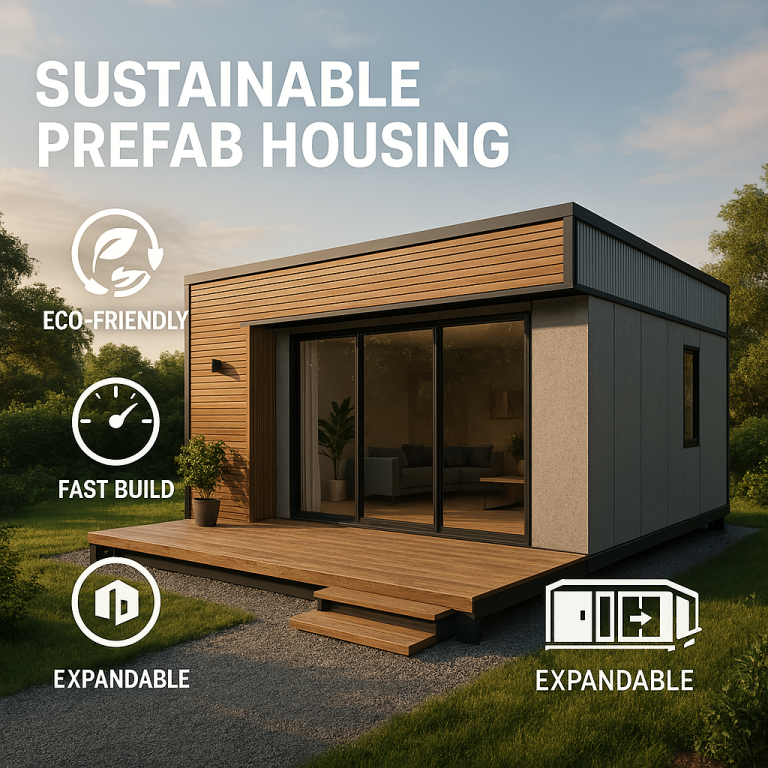
The Evolution of Modern Living: A Deep Dive into Prefab Homes in Asia
The construction landscape across Asia is changing. The rapid urbanization and the need for sustainable housing…
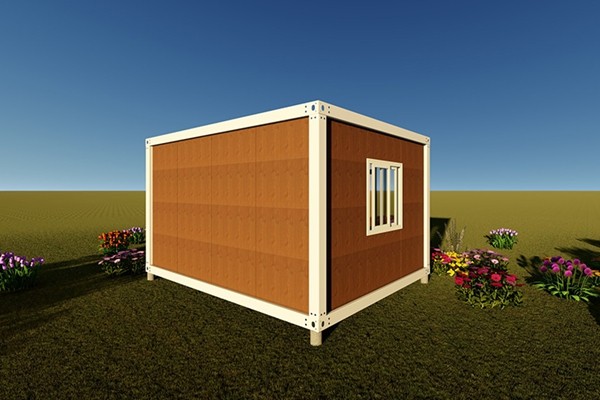
Flat Pack Container House For Backyard Office
Imagine stepping into a serene, personalized workspace just steps from your back door—no commute, no distractions,…
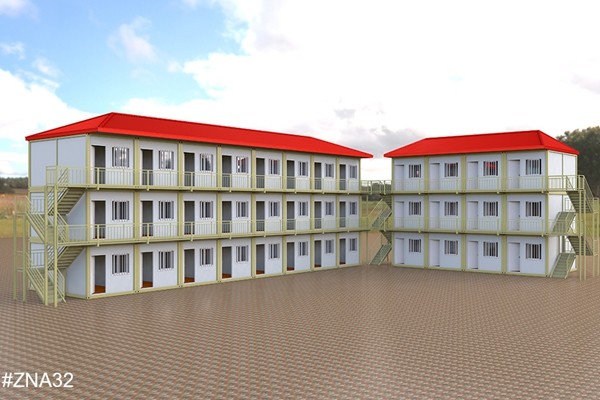
Affordable Living With Modern Prefab And Manufactured Homes
Families across the country are discovering the benefits of choosing double wide manufactured homes for sale when…
Prefab Container Living Made Practical
The prefab container house has become one of the most talked-about housing solutions in recent years. As…
The Evolution of Modern Architecture: A Guide to Expandable Living Systems
Global housing is changing radically. One of the biggest challenges of traditional construction is that it…
The Future of Workforce Housing: A Guide to Container Dormitory Solutions
The need for fast, quality, and scalable housing has just about gone through the roof, especially…


