



Modern Living with a Flat Pack House
As housing preferences shift toward sustainable and affordable solutions, the flat pack house has emerged as a popular answer to modern living challenges. Whether you’re downsizing, investing in a secondary home, or exploring eco-friendly alternatives, flat pack homes offer a sleek, space-efficient, and budget-conscious way to build without compromising quality. With innovations in modular design and prefabrication, today’s flat pack tiny homes deliver far more than compact square footage—they deliver a smart lifestyle.
What Defines a Flat Pack House?
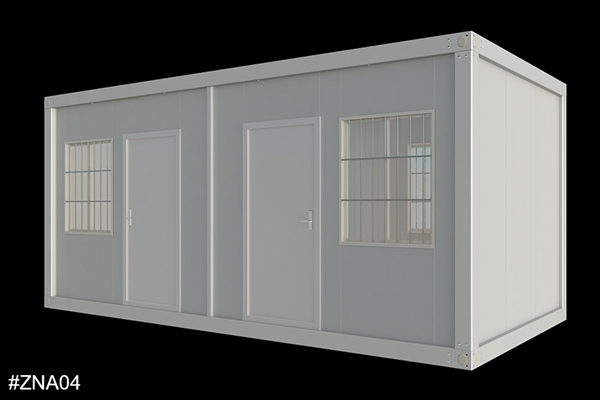
A flat pack house is a type of prefabricated structure shipped in flat sections for ease of transport and assembled on-site. Unlike traditional homes that are built entirely from the ground up, flat pack models arrive as pre-measured, precision-cut components—walls, floors, roofing panels, and framing—neatly packed for convenient delivery.
This approach significantly reduces shipping volume and cost, making flat pack homes ideal for remote areas or customers looking to avoid complex logistics. More importantly, the design process is standardized yet flexible, allowing for customization in layout, materials, and finishes. Homeowners can choose everything from room configurations to energy-saving add-ons like solar panels and insulation upgrades.
The result is a highly efficient construction process with minimal material waste and quicker turnaround times. A flat pack house can often be assembled in a matter of days, depending on its complexity and the experience level of the construction crew.
The Rise of Flat Pack Homes in Contemporary Housing
The growing appeal of flat pack homes is driven by multiple factors: affordability, simplicity, and scalability. These homes often cost significantly less than traditional builds, both in materials and labor. This cost-effectiveness makes them accessible to a broader audience, including young homeowners, retirees, and property investors.
Despite their affordability, flat pack homes maintain high standards in design and durability. Structural materials like steel frames, insulated panels, and engineered timber ensure strength and longevity. Many models also comply with local building codes, offering peace of mind alongside modern comfort.
Another major advantage is the streamlined construction timeline. Since most components are pre-fabricated off-site, on-site construction becomes faster and more predictable. This helps avoid common issues like weather delays, rising material costs, and labor shortages.
From minimalist urban studios to scenic countryside escapes, flat pack homes are transforming the landscape of residential design—efficiently and affordably.
Downsizing Done Right with Flat Pack Tiny Homes
For those embracing the tiny house movement, flat pack tiny homes offer a compact yet complete housing solution. These micro dwellings are designed with space efficiency in mind, typically under 400 square feet, but still feature everything needed for comfortable living—sleeping lofts, compact kitchens, full bathrooms, and built-in storage.
The beauty of flat pack tiny homes lies in their minimal environmental impact and affordability. Due to their smaller footprint, they use fewer materials and consume less energy. They’re also quicker to build, making them ideal for people seeking immediate move-in options or for developers targeting temporary or mobile housing solutions.
Additionally, flat pack tiny homes are often modular, allowing buyers to expand their space later by adding extra units or outdoor living features. Whether used as a guest house, vacation cabin, or full-time residence, they represent a practical and eco-friendly way to live intentionally.
Innovation Behind Prefab Flat Pack Homes
Prefab flat pack homes combine the best of two worlds: the structural efficiency of prefabricated housing and the convenience of flat pack delivery. These homes are pre-designed, often with modular components that can be easily assembled by professionals or even ambitious DIY builders.
Because they are factory-produced under strict quality control, prefab flat pack homes deliver consistent performance, energy efficiency, and compliance with safety standards. Features like integrated plumbing and wiring can be pre-installed, reducing on-site labor and simplifying the setup process.
This type of home is especially suitable for buyers who want a semi-custom experience without going through the lengthy planning and construction phases typical of custom builds. Whether you’re constructing a backyard ADU (accessory dwelling unit), a rural retreat, or a small rental property, prefab flat pack homes provide a reliable, cost-efficient, and modern solution.
Moreover, their scalability makes them ideal for commercial or social housing developments. Multiple units can be assembled side-by-side or stacked to create cohesive communities with minimal infrastructure.
Getting the Most Out of Your Flat Pack Investment
When choosing a flat pack house, it’s important to evaluate the total value—not just the upfront price. While the affordability is appealing, long-term savings come from reduced energy consumption, low maintenance requirements, and faster occupancy.
Before purchasing, ensure that your local zoning laws permit flat pack or modular construction. Confirm utility connections, delivery logistics, and whether you’ll need a contractor or can manage a DIY build. Many suppliers also offer professional installation services, which may be worth the added investment to ensure structural integrity.
As demand for alternative housing continues to grow, investing in flat pack homes offers a future-proof solution—blending design, sustainability, and affordability.
Flat Pack House FAQs
What is included in a standard flat pack house kit?
A typical flat pack house kit includes pre-cut structural panels, flooring, roofing, insulation, windows, and basic hardware. Some kits may also offer optional plumbing and electrical components.
Are flat pack homes durable for long-term living?
Yes, flat pack homes are built using high-quality materials like steel frames and insulated panels, making them suitable for permanent residential use in various climates.
Can I customize flat pack tiny homes to fit my needs?
Absolutely. Many flat pack tiny homes are modular and offer a range of layout options, finishes, and upgrades such as solar energy systems or extra storage.
What’s the difference between a flat pack and prefab flat pack homes?
Prefab flat pack homes are flat pack units that are partially or fully preassembled in a factory, often including internal systems, making on-site assembly faster and more efficient.
How long does it take to build a flat pack house?
Depending on the complexity and workforce, a flat pack house can be assembled in just a few days to a couple of weeks.
Similar Posts

The Future of Living: Container Homes for Sale
In the evolving world of housing, container homes have become a game-changer. Whether you’re seeking a sustainable,…
Expandable Container House for Real-World Living and Emergency Use
The expandable container house has become one of the most practical building solutions in recent years. It…

Quick to Assemble Homes for Smart Living
In a world where speed, efficiency, and sustainability are becoming top priorities, quick to assemble homes are…
Modular Container Houses, Homes & Designs
The construction industry is embracing innovative solutions through modular container houses, modular container homes, and modular shipping container homes….

Collapsible Container Homes Durability
In the evolving world of innovative housing solutions, folding container house for sale, folding container house,…
Reliable Folding Container House Suppliers Ensure Quality Construction
In the realm of modular construction, Suzhou Zhongnan Steel Structure Co., Ltd. stands out as a…


