



pre fab home prices
Prefabricated homes, often known as prefab homes, have revolutionized the housing market in recent years, offering an innovative, cost-effective alternative to traditional homebuilding. With ever-evolving technology and design, the prefab home industry is booming, and understanding the pricing is crucial for potential homeowners seeking both affordability and quality.
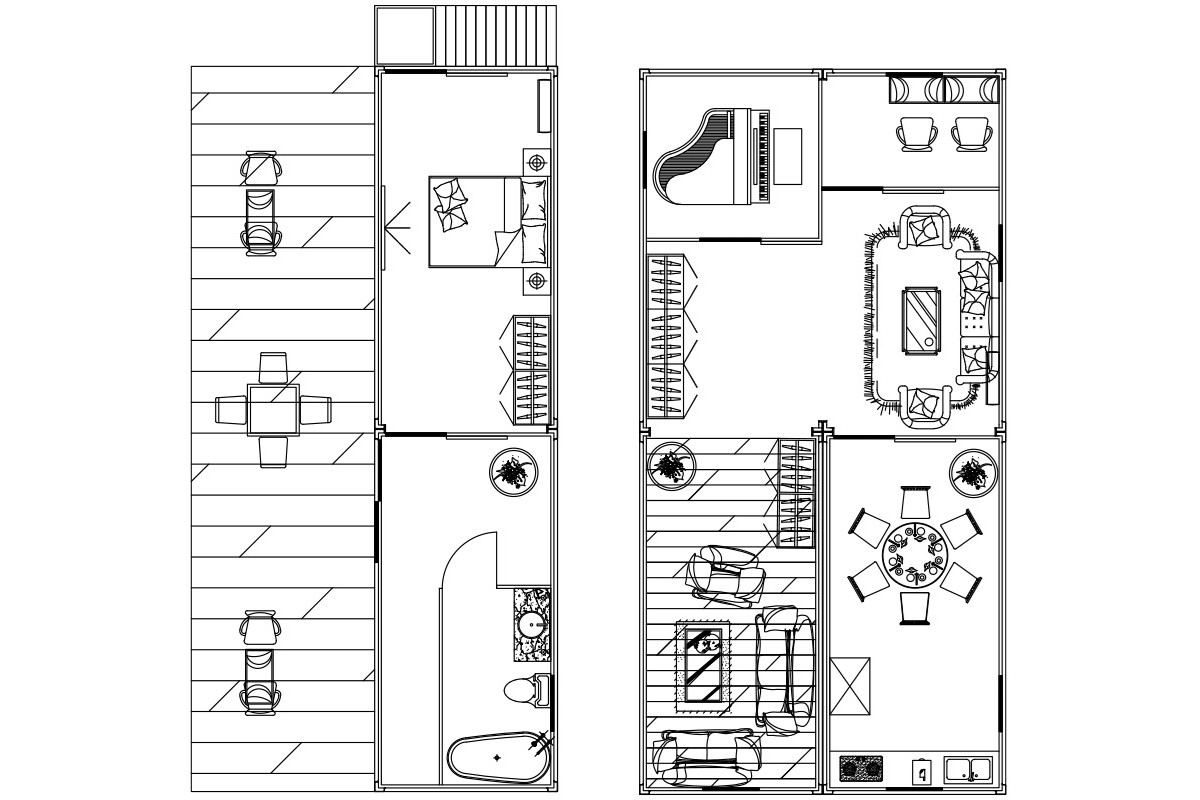
When considering prefab homes, one might first wonder about the pricing structure. Prefabricated homes are typically more affordable than traditional homes, primarily due to their efficient construction process. The majority of the building occurs in a factory setting, where economies of scale come into play, and components are built in bulk, reducing material waste and labor costs. However, understanding the variables that affect these prices is essential to making an informed purchase.
One significant factor influencing prefab home prices is the type of prefab home you choose. Modular homes, which are fully constructed in sections at a factory and then assembled on-site, tend to be on the higher end of the prefab pricing spectrum. These homes offer greater customization and can be built to fit specific land parcels, which might increase costs but also adds to their value. Alternatively, panelized homes, where walls, roof trusses, and other parts are manufactured in a factory and assembled on-site, are often less expensive. These homes require more on-site assembly and may offer fewer customization options but are an excellent choice for those seeking modest, environmentally-friendly dwellings.
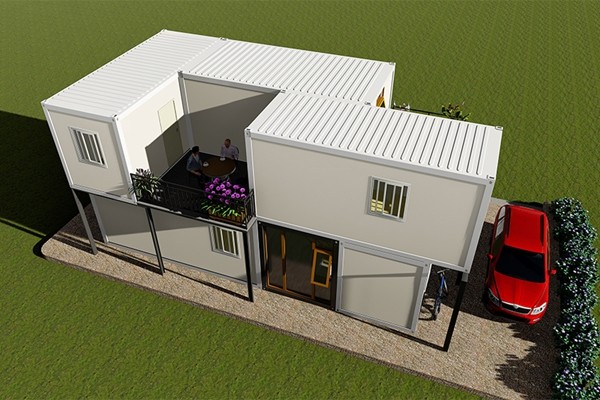
Customization options are another aspect that can significantly impact the cost of a prefab home. Basic designs and layouts are typically the least expensive, while custom designs tailored to individual preferences can increase the overall price. High-end finishes, special fixtures, and upgraded appliances also contribute to the cost. Nonetheless, prefab homes allow for unique designs and efficient layouts without excessive costs. Engaging with a reputable manufacturer will help you navigate these options and ensure you’re investing wisely.
Land costs, foundation expenses, and site preparation are additional components to consider. Unlike traditional homes, prefab homes necessitate a prepared site prior to installation. These costs can vary greatly depending on location, soil quality, and accessibility. Transporting the prefab segments to the site also has associated costs that fluctuate based on distance and logistics.pre fab home prices
Despite these additional costs, prefab homebuyers can still find considerable savings. For instance, the shortened construction timeline results in lower labor costs than traditional homebuilding, which can take months compared to weeks or even days for prefab homes. Faster construction also means quicker occupancy, reducing the time and money spent on temporary housing.
Durability and energy efficiency contribute to the long-term cost-effectiveness of prefab homes. Built under strict factory conditions, they often exceed traditional homes in quality and durability. Many prefab homes incorporate energy-efficient designs and materials, such as high-quality insulation, energy-efficient windows, and sustainable materials, leading to lower energy costs over the home's lifetime.
Financing options for prefab homes have expanded as well, allowing potential homeowners more flexibility. Traditional mortgage lenders are increasingly recognizing the value and longevity of these homes, offering competitive financing rates. Prospective homeowners should consult with financial advisors who understand the prefab home market to navigate these options effectively.
In summary, while there are several considerations and variables impacting prefab home prices, their affordability and efficiency make them an appealing option for a wide range of homebuyers. With an emphasis on quality, customization, and sustainable living, the prefab home market is poised for continued growth and offers a viable solution in the quest for affordable housing. By understanding the pricing dynamics and associated costs, potential buyers can confidently invest in a prefab home, ensuring it meets both their financial and lifestyle needs.
Similar Posts

custom built shipping container homes
Custom-built shipping container homes are transforming the housing market with a blend of innovation, sustainability, and...
manufactured homes set up costs
Understanding the costs associated with setting up manufactured homes is crucial for potential homeowners seeking affordable...
prefab modular steel container homes
Prefab modular steel container homes are transforming the housing industry by offering an innovative solution that...
5 bedroom flat pack house
Navigating the world of modern housing, especially with a focus on sustainable and efficient solutions, has...
prefab container house design
Revolutionizing the modern housing market, prefab container house design offers innovative solutions for those seeking sustainable,...
container home companies
Container homes have transformed the landscape of modern housing, offering an innovative and sustainable alternative to...


