



Redefining Cost-Efficiency with Quick Assembly Homes
The construction industry is undergoing a transformative shift with the rise of quick assembly homes, which prioritize affordability and resource optimization. Unlike traditional building methods that require extensive labor, heavy machinery, and prolonged timelines, quick to assemble homes leverage prefabricated components manufactured in controlled factory environments. These components—ranging from wall panels to modular frames—are precision-engineered to fit seamlessly during on-site assembly, drastically reducing material waste and labor costs.

For construction workers, the adoption of assemble container house systems translates to streamlined workflows. Since all parts are pre-cut and labeled, workers avoid the physical strain of manual cutting or welding, which often leads to injuries or fatigue. Additionally, the absence of heavy machinery like cranes or forklifts minimizes workplace hazards, fostering a safer environment. Contractors also benefit from predictable budgets, as factory production reduces the risk of cost overruns caused by weather delays or material shortages. The assemble house model thus not only lowers expenses for developers but also enhances job security for workers by accelerating project completion and enabling more contracts to be fulfilled annually.
Beyond financial savings, quick assembly homes promote sustainability. By standardizing production processes, manufacturers optimize energy use and reduce carbon emissions associated with transporting bulk materials. This eco-friendly approach aligns with global trends toward greener construction practices, making assemble container house solutions a strategic choice for forward-thinking builders.
Worker Welfare and the Simplicity of Assemble House Systems
The assemble house concept is redefining labor dynamics in construction by prioritizing worker well-being. Traditional methods often demand strenuous physical effort, especially when handling heavy materials or operating complex machinery. In contrast, quick to assemble homes are designed for manual assembly using basic tools like wrenches and bolts. This simplicity empowers workers with diverse skill levels to participate effectively, reducing reliance on highly specialized labor.
A standout feature of assemble container house designs is their lightweight yet durable structure. Workers can effortlessly lift and position components without risking musculoskeletal injuries, a common issue in conventional construction. Furthermore, the modular nature of these homes allows teams to work in smaller groups, fostering collaboration and reducing overcrowding on-site. Such ergonomic advantages not only improve productivity but also enhance job satisfaction, as workers experience less physical exhaustion and greater pride in their contributions.
Training for quick assembly homes is another area where worker welfare shines. Since the assembly process follows intuitive, standardized steps, new hires can quickly master the techniques without years of apprenticeship. This democratization of skills opens opportunities for underemployed populations, including those transitioning from other industries. By lowering barriers to entry, assemble house systems promote inclusivity and career growth within the construction sector.
The Hassle-Free Installation of Assemble Container House Units
One of the most compelling advantages of assemble container house solutions is their machine-free installation process. Traditional construction often relies on cranes to lift steel beams or concrete slabs, which can be costly and logistically challenging in remote areas. Quick to assemble homes, however, require nothing more than human hands and basic tools. Wall panels slot into place like puzzle pieces, while interlocking bolts secure the framework—eliminating the need for heavy equipment.
This simplicity is particularly beneficial for projects in hard-to-reach locations. Whether building a vacation cabin on a mountainside or emergency housing in disaster-stricken regions, assemble house units can be transported in compact bundles and assembled on-site with minimal infrastructure. The flexibility extends to customization: clients can adjust room layouts or expand structures by adding more modules, all without disrupting existing foundations.
For construction teams, the lightweight design of assemble container house components reduces transportation costs and environmental impact. Trucks can carry more modules in a single trip compared to bulky traditional materials, optimizing supply chain efficiency. This logistical advantage not only saves time but also aligns with the growing demand for sustainable, low-carbon construction practices.
Customization and Adaptability in Quick Assembly Home Designs
The quick assembly home industry thrives on its ability to cater to diverse client needs through bespoke designs. Unlike cookie-cutter housing solutions, assemble container house units can be tailored in size, layout, and aesthetic features. Clients collaborate with designers to create floor plans that maximize space efficiency, whether for compact urban dwellings or sprawling rural retreats.
This customization extends to functionality. Homeowners can integrate solar panels, rainwater harvesting systems, or insulation upgrades during the factory production phase, ensuring their assemble house meets specific energy or comfort requirements. Such adaptability is invaluable in regions with extreme climates, where traditional homes may struggle to maintain temperature control.
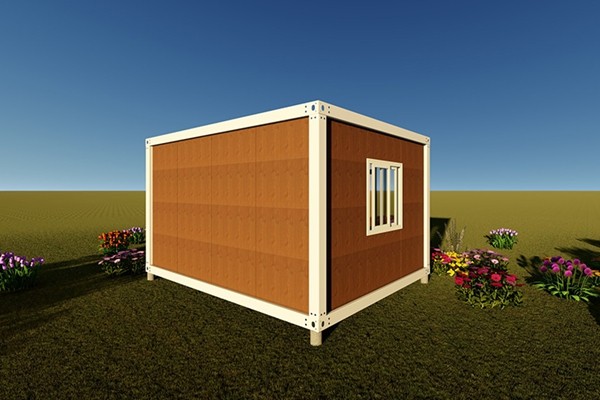
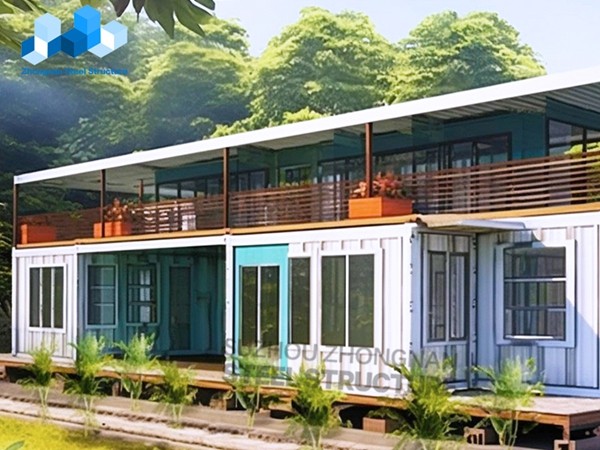
Architecturally, quick to assemble homes defy the stereotype of “boxy” container designs. Modern finishes like wooden cladding, glass facades, or rooftop gardens transform these structures into stylish, contemporary living spaces. The ability to stack or cluster modules also enables creative configurations, such as multi-story family homes or community housing complexes. By blending practicality with creativity, assemble container house solutions appeal to a broad audience, from minimalist enthusiasts to large-scale developers.
FAQs: Assemble Container Homes
How long does it take to assemble a container home?
Most quick assembly homes can be assembled within days, depending on the size and complexity. The process is designed for efficiency, with pre-fabricated parts ensuring swift on-site construction.
Can I modify my assemble container house after installation?
Absolutely! The modular design of assemble house units allows for easy expansions or layout changes. Additional modules can be integrated seamlessly as your needs evolve.
Are assemble container homes suitable for extreme weather?
Yes. High-quality assemble container house units are built to withstand harsh conditions, including heavy snow, strong winds, and high humidity, ensuring durability year-round.
Do I need professional help to assemble the container house?
While DIY assembly is possible, we recommend consulting our team for guidance to ensure optimal safety and structural integrity.
Can I relocate my assemble container house?
Yes! These homes are designed for portability. Disassemble the modules and transport them to a new location for hassle-free relocation.
Embrace the future of building with our innovative quick assembly homes and assemble container house solutions. Designed for speed, safety, and sustainability, our products empower workers and delight clients. Visit our website to explore customizable options and request a quote—let’s build smarter, together!
Similar Posts

Shipping Container House Dreams
The world of architecture has been turned upside down by the ingenious concept of shipping container houses –…
Flat Pack Container House For Backyard Office
Imagine stepping into a serene, personalized workspace just steps from your back door—no commute, no distractions,…
Guide to Building Manufactured Homes on Acreage
The dream of owning a spacious home nestled within your own piece of land is more…
Container Home Builders and Sustainable Living
Container Home Builders and Sustainable Living are increasingly intertwined as global demand for eco-friendly, affordable housing…
Innovative Container Homes
Container homes are gaining immense popularity worldwide due to their affordability, durability, and eco-friendly features. With…

Professional container home construction tutorials
Professional container home construction tutorials serve as a critical bridge between high-quality container housing design and…


