



Shipping Container Houses: Affordable, Modern, and Sustainable Living
In the face of rising real estate prices and increasing environmental concerns, more people are turning to innovative housing solutions that offer affordability, durability, and style. Among the most popular alternatives is the shipping container house — a dwelling made from repurposed steel containers that were once used for cargo transport. If you’re exploring homeownership on a budget or seeking a unique architectural design, looking into a shipping container house for sale may be the smart solution you’ve been searching for.

What Is a Shipping Container House?
A shipping container house is a type of modular dwelling constructed using new or used steel shipping containers. These rectangular, durable structures can be used individually for tiny homes or combined in various configurations to create larger, multi-room residences.
With a rigid frame, weather-resistant properties, and simple stacking capabilities, shipping containers serve as an ideal building block for everything from minimalist cabins to two-story modern homes.
Benefits of Shipping Container Homes
1. Cost-Effective Construction
One of the biggest advantages of a shipping container house is its affordability. Containers are relatively inexpensive to acquire, and with minimal structural modification, they can be transformed into livable spaces. Depending on your design preferences and finishing level, a container home can cost significantly less than a traditional house.
2. Fast Build Time
Because the basic structure already exists, shipping container homes can be built much faster than conventional homes. Many prefab units can be completed in a few weeks, not months.
3. Eco-Friendly Design
Repurposing shipping containers reduces construction waste and recycles materials that would otherwise sit unused. Many builders also use sustainable insulation, solar panels, and rainwater collection systems to enhance the eco-friendliness of these homes.
4. Durable and Strong
Originally built to endure harsh sea conditions, shipping containers are tough, weather-resistant, and pest-proof. With proper treatment and foundation, they can last for decades.
5. Customizable
Whether you’re dreaming of a single-container minimalist home or a luxury multi-container dwelling, these structures offer incredible design flexibility. Windows, doors, decks, and roofs can all be added or customized to suit your lifestyle.
Shipping Container House Cost: What to Expect
Understanding shipping container house cost depends on several variables: the number of containers used, level of interior finish, location, and whether you’re doing a DIY build or hiring professionals.
Here’s a general breakdown:
| Type | Description | Approximate Cost |
| Basic 20ft Unit | Single container with basic finish | $15,000 – $25,000 |
| One-Bedroom Home | One 40ft or two 20ft containers | $30,000 – $50,000 |
| Family Home | Three or more containers with high-end finishes | $60,000 – $150,000+ |
| Luxury Container Home | Multi-story, custom-designed | $150,000 – $300,000+ |
Note: These prices include design, insulation, interior finishes, and sometimes utility setup. Land cost, permits, and site prep are usually extra.
What to Consider When Buying a Shipping Container House for Sale
Before you jump into purchasing a shipping container house for sale, here are a few things to consider:
1. Zoning and Permits
Check with your local zoning office to ensure that container homes are allowed in your area. Some municipalities have strict building codes that may affect container housing.
2. Land and Site Prep
You’ll need a piece of land with access to utilities or the ability to set up off-grid systems. Site preparation may involve laying a concrete foundation or steel support beams.
3. Insulation and Ventilation
Steel containers conduct heat and cold easily. Quality insulation (spray foam, rigid board, etc.) is essential for maintaining comfortable indoor temperatures.
4. Rust and Maintenance
Shipping containers can rust over time, especially in humid environments. Make sure your home is properly sealed, treated, and regularly maintained.
5. Resale and Financing
While shipping container homes are gaining popularity, not all banks are willing to finance them. Also, resale may be more niche compared to traditional homes.
Popular Designs for Shipping Container Houses
Shipping container house design has evolved dramatically. Popular layouts include:
Studio/Tiny Homes: A single container with an open floor plan, perfect for one person or a couple.
Two-Container Homes: Joined containers with separate living and sleeping areas.
U or L-Shaped Layouts: More containers arranged for courtyards, decks, and extra rooms.
Stacked Designs: Multi-story homes with rooftop terraces and modern aesthetics.
Interior finishes often include hardwood floors, energy-efficient windows, granite countertops, and contemporary lighting to rival conventional homes.
Shipping Container Homes FAQs
Q1: Are shipping container houses safe?
A: Yes, when built correctly. Their steel structure is incredibly strong and resistant to weather and pests. Proper modification and insulation are key to safety.
Q2: Do I need a special foundation?
A: Not necessarily. Many homes use concrete piers or slabs, which are less expensive than full foundations.
Q3: Can container homes be off-grid?
A: Absolutely. Many are designed with solar panels, composting toilets, and rainwater collection systems.
Q4: How long do they last?
A: With good maintenance and rust-proofing, a shipping container home can last 25–50 years or more.
Q5: Can I move a container home later?
A: Yes, especially if built with mobility in mind. Some smaller homes are mounted on trailers for easy relocation.
Similar Posts
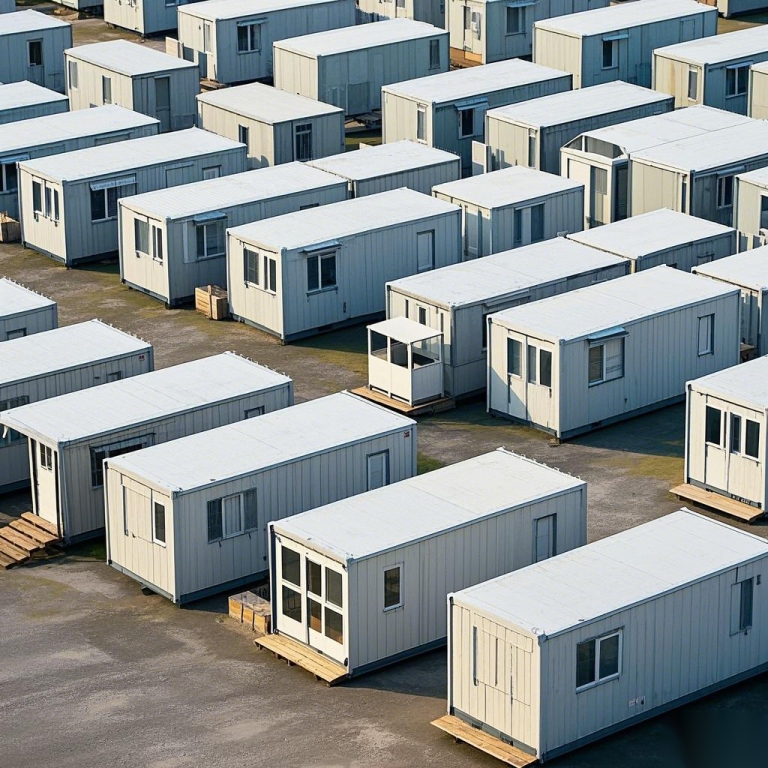
Chinese Container Homes Earthquake-Proof
In the dynamic landscape of modern architecture, container homes have emerged as a sustainable and innovative…

Essential Tools Needed for Assembling an Easy Assemble House
Embarking on the journey of assembling an easy assemble house or quick assembly homes is an exciting endeavor….

China Expandable Container House Exports
In the ever – evolving global construction and housing market, China Expandable Container House exports have emerged…
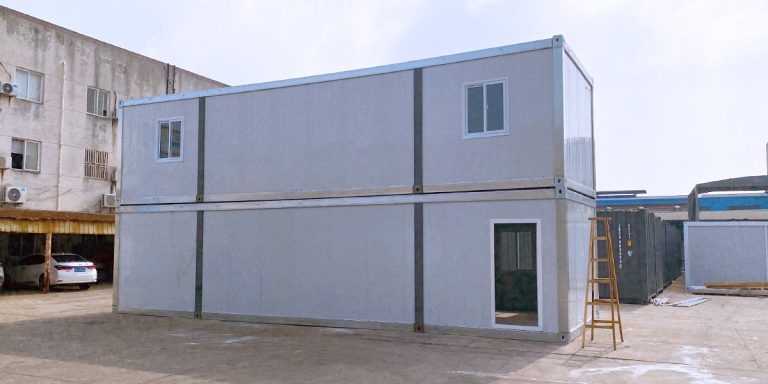
Lego for Adults: The Rise of Easy-Assemble Homes
In an era where customization and efficiency are highly valued, the concept of assemble house and assemble…
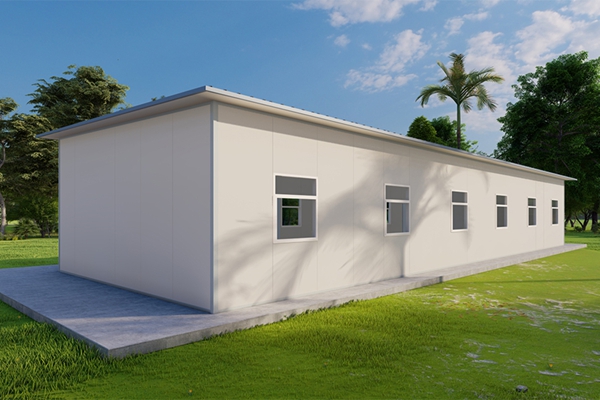
Prefab House For Harsh Climates: Engineering Resilience In Extreme Environments
In the face of escalating climate volatility—from Arctic tundras to scorching deserts—traditional construction often falters. Enter prefab…
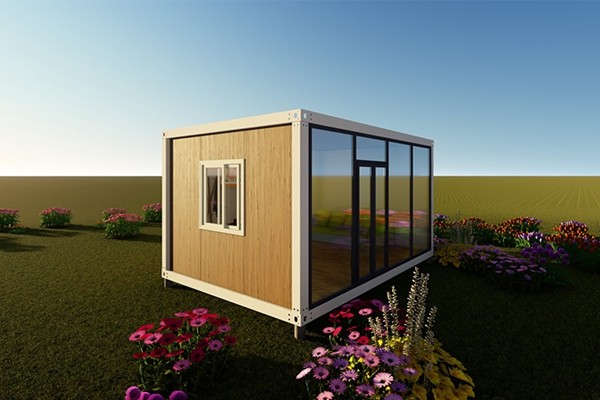
Flat Pack Cabin Homes: The Future of Affordable Living
As the world moves towards more sustainable and affordable living options, flat pack cabin homes have emerged…


