



Starting a Homestead in a Modular Container House
The rise of modular shipping container homes has revolutionized the concept of homesteading, offering a blend of sustainability, affordability, and modern design. These structures, crafted from repurposed steel containers, appeal to environmentally conscious individuals seeking to minimize their carbon footprint. Unlike traditional construction, modular container buildings require fewer raw materials and generate less waste, aligning with the growing demand for eco-friendly living solutions. For young homesteaders, the industrial-chic aesthetic of these homes adds a fashionable edge to off-grid lifestyles, proving that sustainability and style can coexist.

One of the standout features of modular container house prefab tiny home house designs is their adaptability to diverse environments. Whether nestled in a forest, perched on a mountainside, or situated in an urban backyard, these homes withstand harsh weather conditions while maintaining structural integrity. The steel frames of prefab modular container homes are inherently resistant to pests, fire, and rot, ensuring long-term durability—a critical factor for those building permanent homesteads. Additionally, the modular nature allows for easy expansion, enabling families to scale their living space as their needs evolve.
The off-grid potential of modular shipping container homes further enhances their appeal. Many designs incorporate solar panel compatibility, rainwater harvesting systems, and compostable waste solutions, empowering residents to achieve self-sufficiency. For young people drawn to minimalist living, these homes provide a tangible way to disconnect from utility grids while staying connected to modern comforts through smart technology integrations.
Customization and Flexibility in Modular Container Buildings
A key advantage of modular container buildings lies in their unparalleled customization options. Unlike conventional homes, which often require lengthy design approvals and rigid architectural plans, modular container house prefab tiny home house units can be tailored to reflect personal tastes and functional needs. Buyers can choose layouts that prioritize open-concept living, lofted bedrooms, or energy-efficient insulation, ensuring their home aligns with their homesteading goals.
The prefabricated nature of prefab modular container homes simplifies the assembly process. Shipped with pre-installed roofs, floors, and essential fittings, these structures reduce on-site labor and construction time. Homeowners or local workers need only assemble the units using provided accessories, slashing costs and minimizing disruptions to the surrounding environment. This plug-and-play approach is ideal for remote locations where traditional construction crews are scarce or expensive to hire.
Moreover, the modular design fosters creative experimentation. Some homeowners stack containers vertically to create multi-level dwellings, while others arrange them horizontally for sprawling ranch-style layouts. The ability to mix and match modules enables unique configurations, such as adding greenhouses, workshops, or guest suites—all while maintaining the cohesive aesthetic of modular shipping container homes. This flexibility ensures that each homestead is as distinctive as its owner.
Durability and Cost-Efficiency of Prefab Modular Container Homes
For homesteaders, durability and budget are paramount—and prefab modular container homes excel on both fronts. The steel construction of modular container buildings offers superior resilience against extreme weather, from heavy snowfall to high winds, making them suitable for diverse climates. This robustness translates to lower maintenance costs over time, as the materials resist degradation far better than wood or brick.
Financially, modular container house prefab tiny home house projects are significantly more affordable than traditional builds. The streamlined manufacturing process reduces material waste and labor expenses, while the recyclability of shipping containers keeps initial costs low. Many young homesteaders find that these savings allow them to allocate funds toward land development, renewable energy systems, or permaculture projects—key components of a self-reliant lifestyle.
Additionally, the speed of deployment for prefab modular container homes is a game-changer. Traditional home construction can take months or even years, but modular units can be assembled and made habitable within weeks. This rapid turnaround is especially valuable for those eager to start their homesteading journey without prolonged delays.
Embracing Off-Grid Living with Modular Shipping Container Homes
The off-grid movement has found a perfect partner in modular shipping container homes. These structures are inherently compatible with sustainable technologies, such as solar power arrays, biogas systems, and passive heating solutions. Their compact size encourages energy efficiency, reducing reliance on external utilities. For instance, well-insulated modular container buildings retain heat in winter and stay cool in summer, slashing energy consumption.
Homesteaders also appreciate the mobility of prefab modular container homes. While many choose to establish permanent residences, others opt for a semi-nomadic lifestyle, relocating their homes as needed. This portability is ideal for those managing seasonal land use or exploring different regions before settling permanently. Furthermore, the modular design allows for easy disassembly and repurposing, ensuring minimal environmental impact if the homestead is ever relocated.
Beyond practicality, modular shipping container homes foster a sense of community among like-minded individuals. Online forums and social media groups abound with DIY tips, design inspiration, and success stories, creating a global network of off-grid enthusiasts. This communal knowledge pool empowers newcomers to troubleshoot challenges and innovate, reinforcing the appeal of container-based homesteading.
FAQs: Starting a Homestead in a Modular Container House
Can modular shipping container homes withstand harsh winters?
Yes! Modular container buildings are designed with durable steel frames and optional insulation upgrades to thrive in cold climates, ensuring warmth and structural stability.
How difficult is it to assemble a prefab modular container home?
Our prefab modular container homes arrive with pre-assembled roofs and floors, requiring only basic tools and a small team to complete the setup. Detailed instructions are provided for seamless assembly.
Are modular container house prefab tiny home houses suitable for families?
Absolutely. With customizable layouts and expandable modules, these homes can accommodate families by adding bedrooms, bathrooms, or communal spaces as needed.
Can I add renewable energy systems to my modular container home?
Yes. Prefab modular container homes are designed to integrate solar panels, wind turbines, and other off-grid energy solutions, empowering full self-reliance.
How do I maintain a modular shipping container home over time?
Routine inspections for rust and sealant integrity are recommended. With occasional touch-ups, modular shipping container homes maintain their durability and aesthetic appeal for decades.
Ready to embrace off-grid living without compromising on style or sustainability? Explore our premium range of modular shipping container homes and prefab modular container homes at our website. Designed for durability, customization, and eco-friendly living, our units are the perfect foundation for your self-reliant lifestyle. Visit us now to view designs, request a quote, and take the first step toward building your dream homestead!
Similar Posts
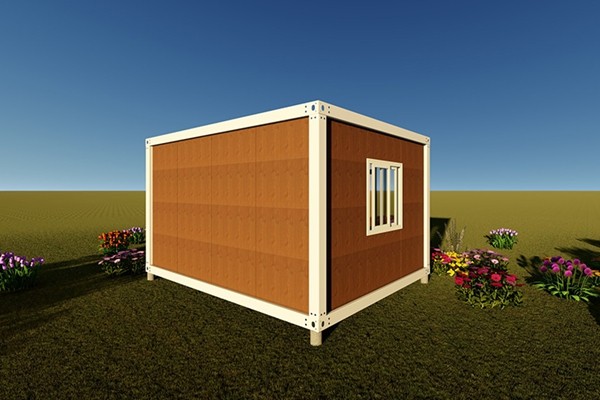
Explore the Convenience of Flat Pack Houses: A Smart Choice for Modern Living
In the fast-evolving world of construction, flat pack houses have emerged as a groundbreaking solution for…
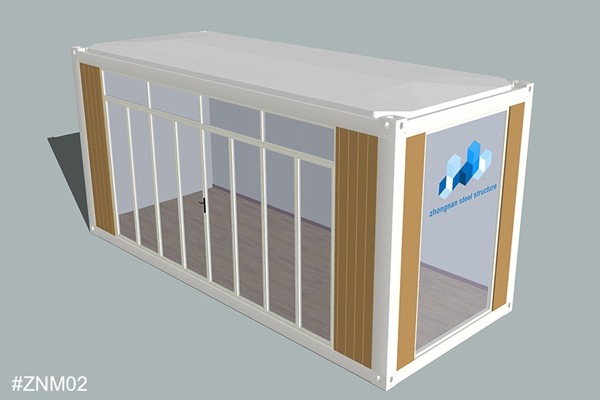
Easy Assemble House: The Complete Buyer’s Guide
The demand for easy assemble house solutions is growing as more people seek fast, affordable, and high-quality housing….

The Invisible Flat Pack House: Transparent Prefab Homes for Minimalists
In the world of modern architecture, innovation meets minimalism with the introduction of the Invisible Flat…
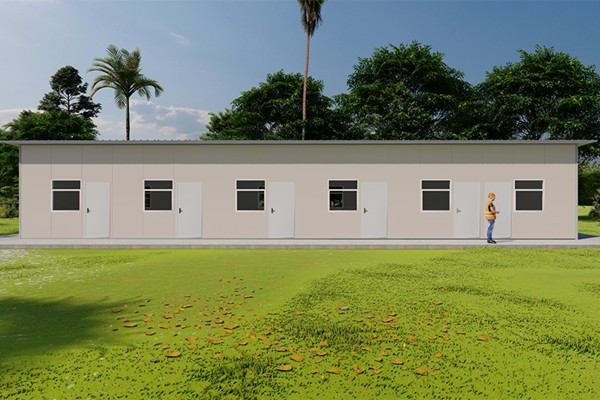
Prefab, Manufactured & Pre-Fabricated Homes: Design Manufacturing Insights
The global construction industry is undergoing a radical transformation with the rising demand for efficient, sustainable,…
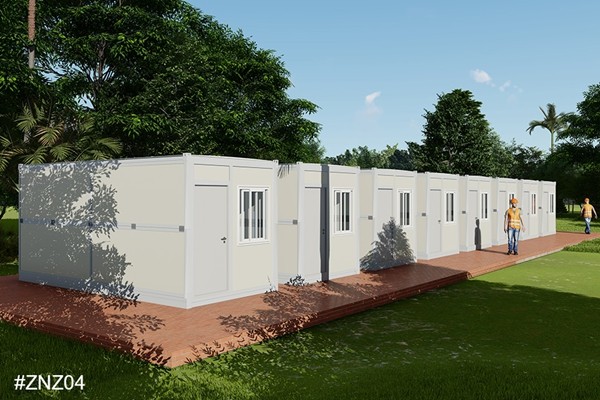
Folding Container House Revolution: Instant Space Wherever You Need It!
Meet the future of flexible living with our innovative folding container house solutions! These revolutionary collapsible container house units transform…

Container Home Builders Customization Options
In the burgeoning market of alternative housing, container home builders have emerged as key players, offering innovative and…


