



Sustainable Living with Modular Container Homes
Sustainable living has become a global priority—and modular container house solutions are leading the way in eco-friendly housing, blending durability, flexibility, and low environmental impact. Unlike traditional construction that generates excessive waste and consumes energy, modular container homes (and their interchangeable counterpart, container homes modular) leverage repurposed materials, energy-efficient designs, and scalable layouts to minimize carbon footprints. Suzhou Zhongnan Steel Structure Co Ltd (ZN House), a pioneer in modular housing since 2005, specializes in crafting sustainable modular container house models that align with green living goals. Founded in Suzhou with a focus on high-quality, customizable solutions, ZN House exports to over 50 countries, offering modular container homes built with anti-rust galvanized steel frames, waterproof sandwich panels, and pre-assembled roofs/floors—reducing on-site waste and installation time. This article explores how modular container house setups enable sustainable living, highlighting key eco-friendly features, benefits, and why ZN House’s designs stand out for wholesalers seeking green housing solutions.

Eco-Friendly Materials in Modular Container House
- Recycled and Durable Steel for Modular Container Homes: Modular container from ZN House use high-quality galvanized steel frames—much of which is recycled—reducing reliance on virgin metal extraction (a resource-intensive process). Galvanized steel is also rust-resistant, ensuring the modular container house lasts 30+ years with minimal maintenance, eliminating the need for frequent replacements (a major source of construction waste). Wholesalers can note that each steel frame recycles approximately 1.5 tons of metal, making these homes a tangible way for clients to reduce their environmental impact.
- Insulated Sandwich Panels for Container Homes Modular: Container homes modular units feature waterproof sandwich panels filled with eco-friendly insulation (EPS, rockwool, or glasswool)—materials that reduce heat transfer, lowering energy use for heating and cooling. ZN House’s panels are pre-cut and pre-installed in the factory, minimizing on-site cutting waste (which can account for 10–15% of waste in traditional builds). For example, a modular container house with rockwool insulation uses 40% less energy for temperature control compared to uninsulated container homes— a key selling point for clients prioritizing energy efficiency.
Energy Efficiency Features of Modular Container House
- Passive Design for Modular Container Homes: Modular container homes leverage passive design principles to reduce energy consumption—ZN House optimizes window placement to maximize natural light (cutting daytime lighting needs by 60%) and cross-ventilation (reducing reliance on air conditioning). Roofs are angled for optional solar panel installation, with pre-wired mounting points to simplify adding renewable energy systems. Wholesalers can highlight this flexibility: clients can start with passive efficiency and upgrade to solar later, making sustainable living accessible at any budget.
- Water Conservation in Container Homes Modular: Container homes modular units include water-saving features like low-flow faucets, dual-flush toilets, and optional rainwater collection systems (integrated into the roof design). ZN House also pre-installs plumbing lines for greywater recycling (to irrigate gardens), reducing freshwater use by 30–50%. This is especially valuable for wholesalers serving clients in water-scarce regions: the modular container house’s water efficiency aligns with local sustainability goals and lowers utility costs.
Sustainable Modular Container House Layouts for Different Lifestyles
| Lifestyle | Modular Container House Layout | Key Sustainable Feature | ZN House Advantage |
| Minimalist Urban Living | 1x 20ft modular container house (studio + compact kitchen). | Space-efficient design + solar-ready roof. | Pre-assembled interior (no on-site waste) + small footprint. |
| Family Rural Living | 2x 20ft modular container homes (side-by-side: 2 bedrooms + living). | Greywater recycling + insulated panels. | Standardized connections (easy expansion) + energy-efficient windows. |
| Remote Workspace | 1x 20ft unit (main home) + 1x 16ft container homes modular (office). | Natural light optimization + soundproof insulation. | Separate zones (energy-efficient heating/cooling) + pre-wired for internet. |
| Eco-Resort Accommodation | 5x 20ft modular container homes (stacked 2 floors, shared outdoor space). | Rainwater collection + communal garden areas. | Stackable design (small land use) + fire-resistant panels. |
This table helps wholesalers match sustainable modular container house layouts to client lifestyles, highlighting how ZN House’s features (insulation, water conservation, space efficiency) enhance eco-friendly living. It also underscores why modular container homes are versatile for both residential and commercial sustainable projects.
Waste Reduction in Modular Container House Construction
- Factory Prefabrication for Modular Container Homes: Modular container homes are 90% prefabricated in ZN House’s factory—roofing, flooring, walls, and wiring are assembled off-site with precision, reducing on-site waste by 70% compared to traditional builds. Factory production also allows for efficient material use: leftover steel or insulation is recycled in-house, rather than ending up in landfills. For wholesalers, this means clients get a modular container house with minimal environmental impact, plus faster installation (3–5 days vs. months for traditional homes).
- Scalability to Avoid Overbuilding in Container Homes Modular: Container homes modular units let clients “build only what they need”—starting with a small unit and adding more as their needs grow (e.g., a family adding a bedroom module instead of building a new home). This scalability prevents overbuilding (a major source of unused space and wasted resources). ZN House’s standardized connections make adding modules seamless—no need to demolish or rebuild, just connect new units to the existing structure. Wholesalers can emphasize this to clients: sustainable living means not wasting space, and modular container house setups make that easy.
Modular Container House FAQS
Are Modular Container Homes More Expensive Than Traditional Sustainable Homes?
No—modular container homes from ZN House are cost-competitive with traditional sustainable homes, and often cheaper in the long run. Factory prefabrication reduces labor costs by 30%, while durable materials and energy efficiency lower maintenance and utility bills. For example, a 2-bedroom modular container house costs 15–20% less upfront than a traditional straw-bale home, and saves 500–800 annually on energy bills. Wholesalers can assure clients that sustainable living doesn’t have to be expensive—modular container homes offer value at every stage.
Can Container Homes Modular Be Certified as Eco-Friendly (e.g., LEED)?
Yes—container homes modular from ZN House meet the criteria for global eco-certifications like LEED (Leadership in Energy and Environmental Design) or BREEAM. The recycled steel frames, energy-efficient insulation, and water-saving features contribute to certification points, and ZN House provides documentation (material sourcing, energy calculations) to simplify the certification process. Wholesalers can note that certified modular container house units appeal to commercial clients (e.g., eco-resorts, green offices) and homeowners seeking third-party validation of their sustainability efforts.
How Much Waste Is Generated When Installing a Modular Container House?
Installing a modular container house generates less than 100 pounds of on-site waste—compared to 2–3 tons of waste for a traditional 1,000 sq. ft. home. ZN House’s pre-assembled components (roof, floor, walls) require no cutting or trimming on-site, and leftover hardware (bolts, brackets) is packaged for reuse. Any minimal waste (e.g., packaging materials) is recyclable, making the installation process nearly zero-waste. Wholesalers can highlight this to clients: modular container homes let them build sustainably without contributing to construction landfill waste.
Can Modular Container Homes Be Relocated Without Damaging the Environment?
Yes—modular container homes are designed for relocation, and ZN House’s units can be disassembled and moved to a new site with minimal environmental impact. The galvanized steel frames and sandwich panels are reusable, and no concrete foundation is required (units can sit on gravel pads or adjustable piers, which are easy to remove). Relocating a modular container house avoids the waste of demolishing a traditional home and building a new one— a key benefit for clients who move frequently or want to adapt to changing needs.
Where Can Wholesalers Source Sustainable Modular Container House Units?
Suzhou Zhongnan Steel Structure Co Ltd (ZN House) manufactures sustainable modular container house and container homes modular units—all built with eco-friendly materials, energy-efficient features, and minimal waste. Their products are exported to 50+ countries, with 30+ international agents supporting bulk orders.
Similar Posts
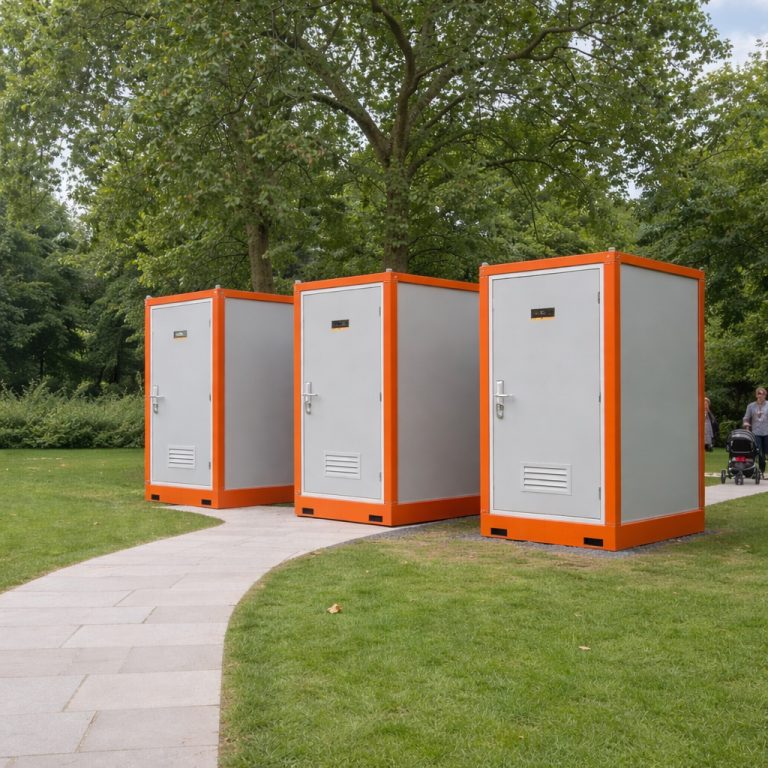
Why Is a Modular Container Toilet the Smarter Choice for Modern Sites?
Sanitation plays a fundamental role in the planning of any site. It is essential to have…

Discover the Flexibility of Folding Container Home
Transform your living experience with our innovative Folding Container House solutions. Designed for versatility, efficiency, and ease of…
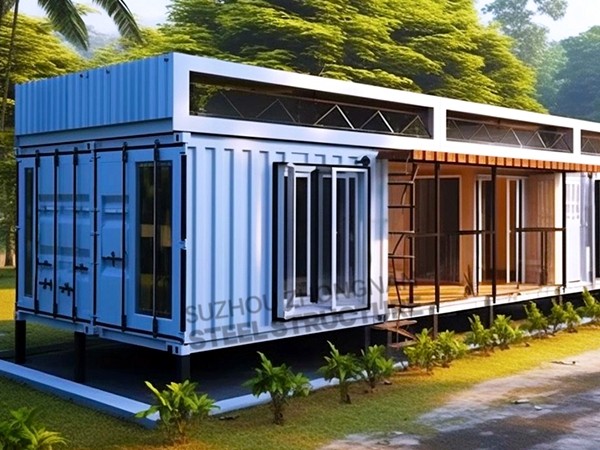
Modular Container Homes: Stylish, Strong & Customizable
The future of housing is here with modular container house solutions that combine industrial strength with modern design….
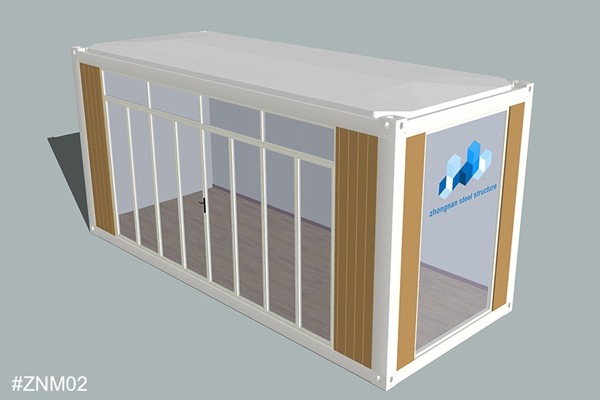
Easy Assemble House: The Complete Buyer’s Guide
The demand for easy assemble house solutions is growing as more people seek fast, affordable, and high-quality housing….

Are flat pack mobile homes durable for full-time living
The quest for affordable, efficient, and sustainable housing has led to a significant shift in the…
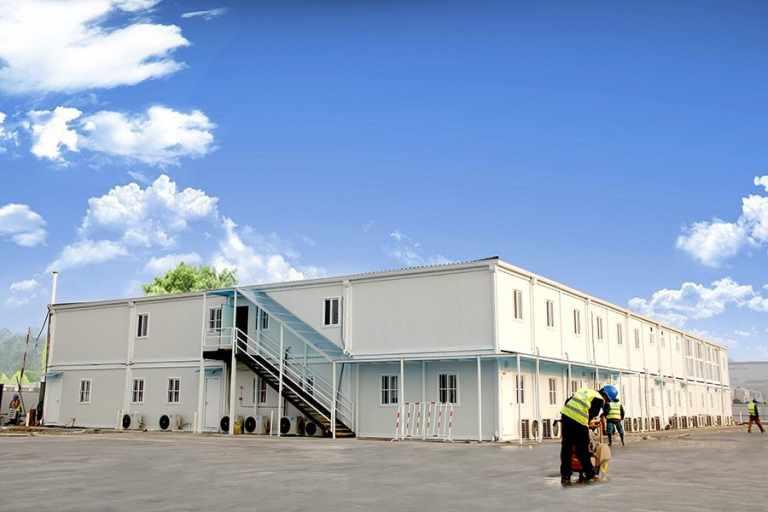
Flat pack container houses for sale
In today’s fast-paced world, the demand for efficient, cost-effective, and sustainable building solutions is skyrocketing. Whether…


