



Legal Permits for Converted Shipping Containers
Converted shipping containers—the building blocks of shipping container house and versatile shipping container buildings—offer a flexible, durable solution for spaces like holiday homes, beach resorts, and cafes. However, navigating legal permits is critical to ensure compliance with local building codes, zoning laws, and safety standards—especially for wholesalers serving clients across 50+ countries (as ZN House does). Suzhou Zhongnan Steel Structure Co., Ltd. (ZN House), founded in 2005 and a leader in custom container solutions, simplifies this process: their shipping container buildings come with factory-finished components (fixed fixtures, transparent doors, large windows) that align with global standards, helping clients meet permit requirements faster. With 30+ international agents, ZN House also provides region-specific guidance, making them a trusted bulk partner for wholesalers seeking compliant converted shipping containers solutions.
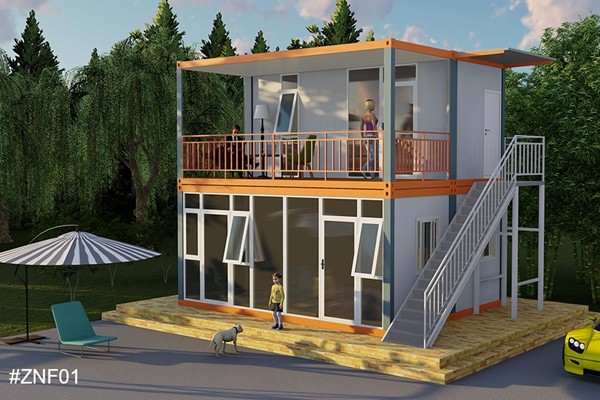
Zoning Permits for Shipping Container House
- Residential Zoning Compliance for Shipping Container House: Shipping container house (a popular use of converted shipping containers) requires zoning permits to confirm the land is zoned for residential use—rules vary by region. For example, in coastal areas (ideal for beach houses), some locales restrict shipping container house to secondary dwellings (e.g., guest houses), while others allow primary residences. ZN House’s designs help: their shipping container house models retain the original iron exterior (for modern aesthetics) while integrating large windows (to meet natural light requirements often mandated in residential zoning). Wholesalers can advise clients to check local “accessory dwelling unit” (ADU) rules—many regions now classify small shipping container house as ADUs, streamlining permit approval. This alignment with zoning norms reduces client delays, making converted shipping containers more marketable.
- Commercial Zoning for Shipping Container Buildings: Shipping container buildings used for cafes, bars, or hotels need commercial zoning permits—localities often regulate factors like parking, signage, and occupancy. ZN House’s shipping container buildings are customizable to meet these: for a beachfront cafe, they can add outdoor seating areas (to comply with parking-to-seating ratios) or branded signage mounts (to fit local sign codes). Unlike generic converted shipping containers, ZN House’s models include fire-rated walls and egress routes (critical for commercial occupancy permits). For instance, a shipping container building used as a small restaurant can accommodate 15–20 patrons while meeting fire safety distances—helping clients secure commercial permits without costly retrofits. Wholesalers can highlight this compliance to clients in the hospitality sector, where permit delays can derail launch timelines.
Building Code Permits for Converted Shipping Containers
| Permit Type | Key Requirement for Converted Shipping Containers | Ideal Use Case | ZN House Advantage | Wholesaler Value |
| Structural Safety Permits | Galvanized steel frame compliance; load-bearing capacity verification | Multi-story shipping container buildings | Frames meet ISO 12480 standards; pre-tested for safety | Appeals to hotel/ dorm clients |
| Fire Safety Permits | Fire-rated insulation (e.g., rockwool); smoke detectors; egress routes | Cafes, bars, holiday homes | Factory-installed fire safety components; no on-site work | Caters to commercial/ residential clients |
| Electrical Permits | Wiring compliance with local voltage standards; GFCI outlets | All shipping container house/ buildings | Pre-wired in factory; aligned with 110V/220V regions | Fits global clients (50+ countries) |
| Plumbing Permits | Sanitary waste systems; water line connections (for kitchens/bathrooms) | Shipping container house with toilets | Factory-installed plumbing rough-ins; meets EPA standards | Appeals to full-service dwellings |
Safety & Accessibility Permits for Shipping Container Buildings
- Weather Resistance Certifications for Converted Shipping Containers: Converted shipping containers must meet local weather codes—e.g., wind resistance in hurricane zones or snow load capacity in cold regions. ZN House’s shipping container buildings use waterproof sandwich panels and reinforced roofs (factory-finished to avoid on-site errors) that comply with regional standards. For example, a shipping container house in a hurricane-prone area meets wind speed ratings of 120km/h, while one in a snowy region handles 0.5kN/㎡ snow loads. These pre-certified features let clients skip costly third-party testing, speeding up permit approval. Wholesalers can market this to clients in extreme climates, where weather compliance is non-negotiable.
- Accessibility Permits for Shipping Container House: Shipping container house and shipping container buildings open to the public (e.g., cafes, hotels) need accessibility permits to meet ADA (or equivalent) standards—ramps, wide doorways, and accessible bathrooms. ZN House’s designs include options like 36-inch-wide transparent doors (for wheelchair access) and low-height sinks (in bathrooms), ensuring compliance. Unlike DIY converted shipping containers, ZN House’s models integrate these features during factory production—no post-assembly modifications needed. For instance, a shipping container building used as a beachfront cafe can include a ramp and accessible restroom, meeting accessibility permits and expanding its customer base. Wholesalers can emphasize this to clients aiming for inclusive, permit-ready spaces.
Shipping Container Buildings FAQS
Do Converted Shipping Containers Require Special Permits for International Shipping?
Yes— converted shipping containers (especially fully finished shipping container buildings) need customs and import permits when shipped across borders. ZN House simplifies this: their products include detailed documentation (material lists, safety certifications) to meet customs requirements in 50+ export countries. For example, a shipping container house shipped to Europe needs CE marking (for safety compliance), while one bound for the U.S. requires FDA approval for food-contact surfaces (if used as a cafe). ZN House’s 30+ international agents also assist with local import rules—wholesalers don’t need to navigate complex customs processes alone. This support reduces shipping delays, making bulk orders of converted shipping containers more efficient.
Can a Shipping Container House Get a Permanent Occupancy Permit?
Absolutely— shipping container house can secure permanent occupancy permits if they meet all building codes (structural, fire, electrical). ZN House’s models are designed for this: their galvanized steel frames (rust-resistant for long-term use) and factory-finished interiors (no on-site construction flaws) align with permanent dwelling standards. For example, a shipping container house with a proper foundation, insulation, and egress routes can get a permanent occupancy permit in most U.S. states or European countries. Unlike temporary converted shipping containers, these models are built to last 15+ years, making them eligible for permanent permits. Wholesalers can market this to clients seeking long-term, cost-effective homes.
Are Shipping Container Buildings Permitted in Historic Districts?
It depends on local rules—some historic districts allow shipping container buildings if they match the area’s aesthetic, while others restrict modern structures. ZN House’s customizable designs help: their shipping container buildings can retain the original iron exterior (for a industrial-modern look) or be clad in wood/stone (to blend with historic architecture). For example, a shipping container building used as a boutique hotel in a historic coastal town can have a stone facade, meeting aesthetic permits while retaining the container’s durability. Wholesalers can advise clients to work with local historic preservation boards early—ZN House can adjust designs to fit guidelines, avoiding permit rejections.
How Long Does It Take to Get Permits for Converted Shipping Containers?
Timelines vary by region and permit type—residential zoning permits may take 2–4 weeks, while commercial building permits can take 6–8 weeks. ZN House speeds this up by providing permit-ready documentation (pre-tested structural reports, fire safety certificates) that clients can submit directly to local authorities. For example, a shipping container building used as a cafe can cut permit time by 30% using ZN House’s pre-approved fire safety components. Wholesalers can set client expectations by sharing region-specific timelines (via ZN House’s international agents), ensuring smooth project planning.
Do Shipping Container Buildings Need Separate Permits for Additions?
Yes— adding units to shipping container buildings (e.g., expanding a 1-unit cafe to 2 units) requires addition permits to confirm structural integrity and zoning compliance. ZN House’s modular design helps: their converted shipping containers have pre-installed connection points, so additions are structurally sound and easy to document for permits. For example, a shipping container house expanded with a second unit only needs a simple structural permit (vs. full re-permitting), as the connection system is pre-certified. Wholesalers can highlight this modularity to clients planning future growth—permit-ready additions make shipping container buildings a scalable investment.
Similar Posts
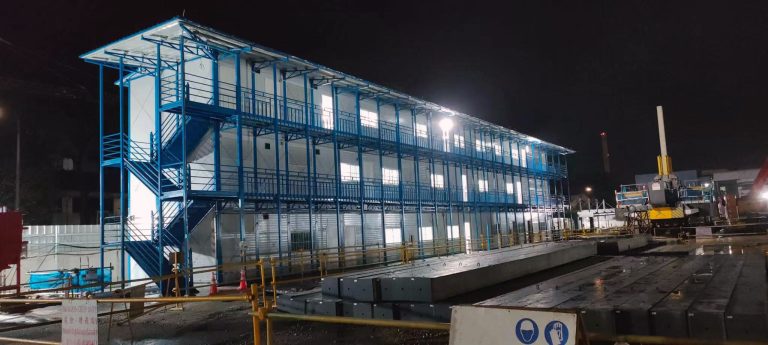
Container House China Options
A container house china offers practical, cost-effective, and versatile housing solutions. These homes are built using high-quality…

How Folding Container Houses Work
The housing industry is undergoing a revolution with the emergence of folding container house designs that combine portability,…
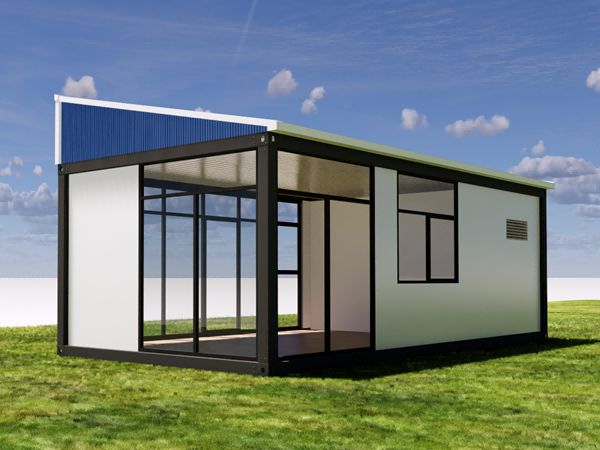
Purchasing Strategies for Cheap Prefabricated Houses
In the dynamic landscape of the housing market, the allure of affordable yet well – constructed…

Efficient Design With Prefab Flat Pack Homes
In today’s fast-paced world, prefab flat pack homes provide a practical and modern alternative to traditional construction….

Essential Tools Needed for Assembling an Easy Assemble House
Embarking on the journey of assembling an easy assemble house or quick assembly homes is an exciting endeavor….
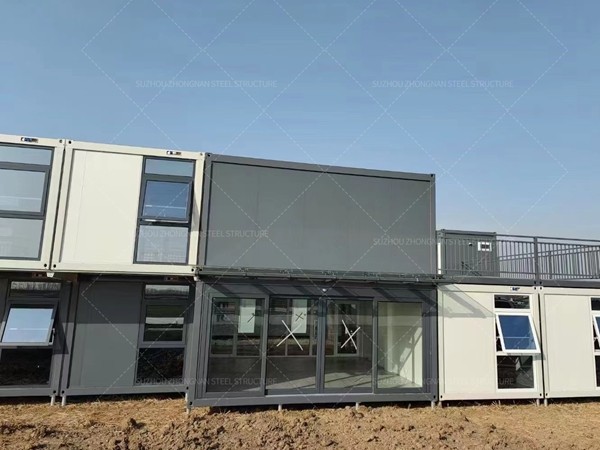
Modular Container Houses, Homes & Designs
The construction industry is embracing innovative solutions through modular container houses, modular container homes, and modular shipping container homes….


