



Prefab Homes Under 50K
Affordable housing is no longer a dream far removed from reality. You can even buy prefab homes below $50,000, and globally, thousands of buyers are already making it happen. For this money, you’ll get small container homes, tiny prefab studios, modular cabins, and flat pack houses that are delivered straight to your location.
But what types of prefab houses can you afford? Mainly: 20ft container homes, expandable or foldable container units, tiny home kits, prefab ADUs, and modular cabin shells. These types of buildings cover approximately 150 to 400 square feet and provide you with a functional, weatherproof living environment at a mere fraction of traditional construction costs.
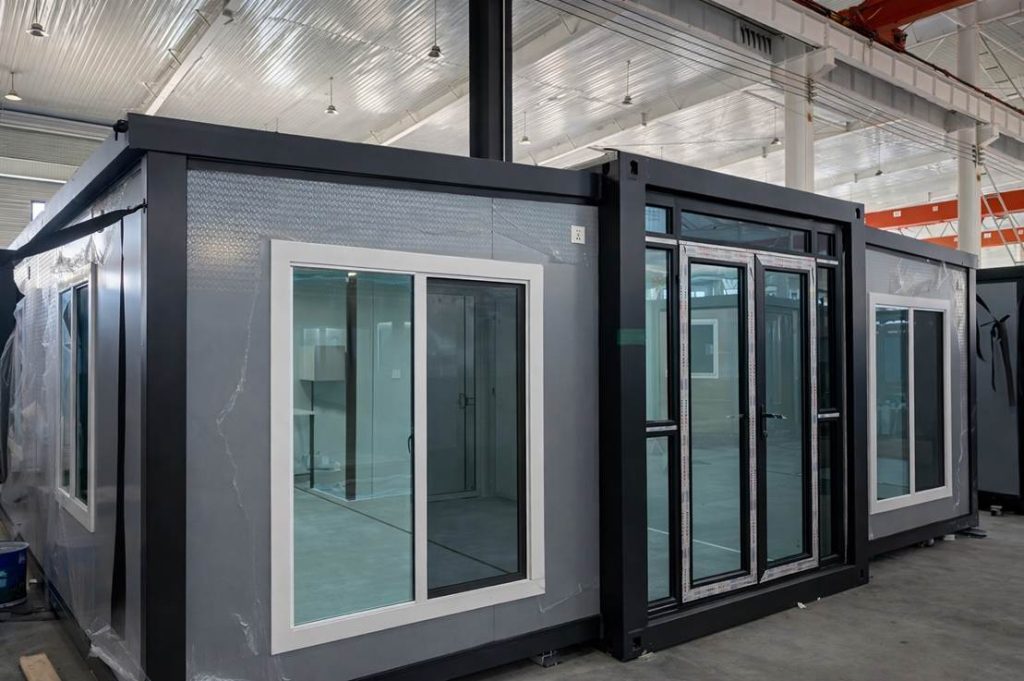
There are actually quite a few good reasons for the increasing popularity of affordable prefab homes, all converging. Rising housing prices in urban markets have forced some buyers to explore creatively alternatives. Tiny home movement has made compact, efficient living more acceptable. Besides, people are increasingly looking for vacation cabins and eco retreats. More municipalities now allow the construction of Accessory Dwelling Units (ADUs). And the trend of remote living – which has mostly been accelerated lately – has led the buyers to look for fast, relocatable structures that could work off the grid.
In fact, the one thing you really ought to trust in the start: most prefab homes that are advertised under $50K are only referring to the actual structure of the house. It is the land foundation, shipping, crane installation, utility hookups, and permits that are most usually quoted separately. When done realistically, planning prefab housing is still one of the most cost-effective ways to become a homeowner or buy an investment property nowadays.
Can You Really Buy a Prefab Home Under 50K?
To keep it short: yes. Yet, knowing exactly what is covered – and not – allows you to plan your finances properly.
What Is Included in the Price?
When a manufacturer quotes a prefab home for less than $50,000, the price typically includes:
- The factory-built structural frame (steel or wood)
- Wall panels, roof panels, and floor decking
- Doors and windows (basic specifications)
- Basic interior layout (partition walls, flooring)
- Factory-installed insulation
For container home projects, the estimator normally covers the complete steel structure, thermal sandwich panels, cutting of window and door openings in advance, and occasionally wiring conduits are also installed beforehand in the container home top.
What Usually Costs Extra?
Many buyers are surprised at the additional costs after the factory price. Plan for:
- Land purchase – often the highest variable cost
- Foundation – concrete piers, gravel pads, or a slab, depending on the structure
- Shipping and freight – especially critical for international orders or remote domestic sites
- Crane rental and installation – required for container stacking or heavier modular units
- Utility connections – electrical, plumbing, septic, water hookup
- Permits and inspections – varies widely by county and state
Note: Some prefab homes which are advertised as “under $50K” are usually refer just to the base model. When factoring in the land, site work, and utilities, the final turnkey price typically falls within a range of $80,000 and $150,000 based on the area and level of customization.
Types of Prefab Homes Under 50K
Not all affordable prefab homes are identical. Below is a breakdown of the most common categories within this price range.
Tiny Prefab Homes
Small prefab homes are tiny buildings, usually less than 400 square feet, made up of minimalistic living features. They have become a favourite for people who are downsizing, digital nomads, or young buyers who want an affordable way to become homeowners. Most of them have wheels so that they can be moved easily, although the ones that are fixed on the ground are more solid structures and can be better used as permanent or semi-permanent housing.
Container Homes
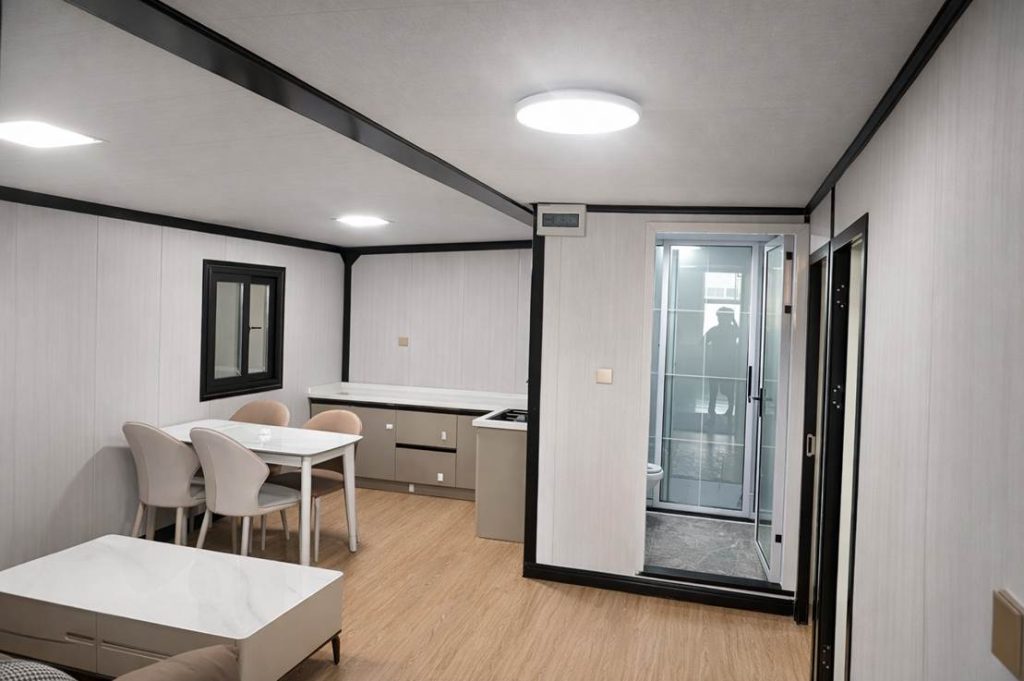
Among the most sought-after prefab alternatives under $50K are container homes. Before shipping a regular 20ft container home can be fitted at factory with insulation, flooring, windows and also basic utilities. The possibilities are:
- Expandable container homes – units that unfold on-site to double or triple their floor area
- Foldable prefab homes – accordion-style containers that collapse for efficient transport and deploy in under 10 minutes
- Flat pack container houses – panelized kits that ship at 4x the density of assembled units, cutting logistics costs significantly
ZN House’s Expandable Container House comes with a fold-out design which extends interior space by three times when it is opened. The main structure is made of high-quality steel and PU panels are used as insulation. In addition, electrical and plumbing systems are already installed which allow rapid and simple on-site setup.
Modular Cabins
A modular cabin is among the popular 50 thousand and below options for a vacation retreat, eco resorts and backyard studios. Usually, they have wood-look interior finishes, pitched roofs, and layouts that are focused on the nature. Due to their modular construction, several units can connect, forming larger compound-style retreats.
Prefab ADUs
Accessory Dwelling Units (ADUs) are also known by other names like granny flats, backyard cottages, or in-law suites. They are among the fastest-growing uses of sub-50K prefab homes. Some of the typical uses are:
- Guest houses
- Home offices or backyard studios
- Long-term or short-term rental units
Their small footprint and self-contained design make them perfect for siting on existing residential lots.
Flat Pack Prefab Houses
Flat pack container houses are delivered as pre-cut, numbered panel kits. Basic assembly doesn’t require a crane. They are mainly economical for remote or overseas sites where transport costs are a significant part of the budget – flat packs can accommodate 4x more units per shipping container compared to pre-assembled structures.
Best Prefab Home Designs Under 50K
In a pretty substantial way, design quality in affordable prefab housing has improved. Here are the main design trends:
Modern Minimalist Prefab Homes
Modern minimalist prefab design is characterized by clean layouts, large windows, open-plan interiors, and neutral finishes. Container homes with steel frames come very well with this aesthetic – flat rooflines, industrial accents, and the use of natural light make the spaces appear larger than their actual size.
Cabin Style Prefab Homes
Wood-look cladding, warm interior panels and pitched roof elements combine to create a cabin-like atmosphere in cabin-style prefab homes. In fact, these types of cottages are frequently featured as Airbnb vacation rentals in mountainous, lake or forest areas.
Luxury Tiny Homes
The luxury tiny homes priced under $50,000 are designed with innovative space-saving solutions such as lofted bedroom areas, fold-down dining tables, built-in storage benches, and high-quality surface finishes. This combination of features provides an affordable yet premium feeling in a compact living environment.
Portable Modular Homes
Portable prefab structures are designed for easy moving. They feature light frames, anchoring systems with bolts, and utility connections that can be quickly disconnected. These types of buildings are a great option for those buyers who might have to shift the structure for example, from a rental site, vacation land, or a remote job location.
How Big Are Prefab Homes Under $50,000?
Typical Size Range
Almost all prefab houses in this price range have an area of 150-400 m2. A stationary 20ft container house measure about 160 sq ft. Adding more modules or having double-module arrangements can increase the living space to 320400 sq ft without going over the budget.
Common Room Configurations
- Studio layouts – open sleeping, living, and kitchen area in a single space
- 1-bedroom prefab homes – a separate sleeping partition with a small bathroom and kitchenette
- Compact kitchen and bath – most sub-50K units include a fitted kitchenette and a bathroom pod with toilet, basin, and shower
Space-Saving Design Features
Efficient design forms the very basis of cheap prefab living. Some standard aspects are:
- Foldable or Murphy-style beds
- Loft sleeping platforms above the living area
- Bench seating with integrated under-seat storage
- Sliding or pocket doors to eliminate swing clearance
- Ceiling-height cabinetry maximizing vertical storage
Note: Most prefab homes under $50K are built around efficient small space living, and well-done compact homes can feel more livable than the square footage indicates.
Advantages of Prefab Homes Under 50K
Lower Housing Cost
There are advantages in factory production related to less material wastage and shorter labor hours. Manufacturers’ bulk purchasing enables them to reduce per-unit material expenditure. On average, prefab homes can be 40-60% cheaper than those built on-site.
Faster Construction Time
Since the structure is constructed concurrently with the site work, the overall project time is dramatically reduced. A container house can be shipped and set up in a matter of days instead of months.
Energy Efficiency
Contemporary prefab homes rely on insulated sandwich panels to deliver uniform thermal performance. ZN House prefabricated containers feature 50 mm- 150 mm insulated panels with cores of rock wool or PIR, staying comfortable in a wide spectrum of temperatures while not overusing energy.
Reduced Construction Waste
Factory fabrication is very accurate. Materials left over from production are reused again at the manufacturing plant. The waste that is created on the construction site, one of the highest hidden costs of traditional building, is almost totally removed.
Easier Transportation
Flat-pack and foldable container homes are mainly made for ease of transportation. For instance, ZN House flat pack units are capable of being shipped at 4x the density of their assembled counterparts, thereby drastically cutting down the freight cost per unit.
Suitable for Remote Locations
Prefab homes can be placed in locations where conventional building does not make sense – such as remote land, island locations, mountainous areas, or even overseas locations. For example, ZN House units have been sent to Arctic Norway, tropical Philippines, and desert Saudi Arabia, each with features suitable for the climate.
Potential Challenges Buyers Should Know
Land & Permit Costs
Land cost is higher than the cost of a prefab structure in many markets. Besides, local permit requirements contribute to the increase in both time and cost.
Transportation Expenses
Depending on the distance and size of the unit, the addition of international shipping will be $3,000-$10,000+ to your project expenses. Besides, local trucking, crane rental, and the logistics involved in granting the site access will also contribute to the increased costs.
Zoning Restrictions
Prefab or container structures aren’t allowed in some counties or municipalities. The placement of such houses can be restricted by minimum square footage requirements, HOA rules, and flood zone classifications. Always check local zoning before buying.
Utility Installation Costs
Off-grid setups like solar panels, rainwater harvesting systems, and composting toilets usually need you to invest money up front. Then again, if you want to be connected to grid utilities, you will need to get permits, do trenching work, and pay connection fees. The total cost might come to $5,000-$20,000, according to how far you are from the existing infrastructure.
Limited Living Space
Prefab homes priced under 50K are small by design. They are ideal for a single individual, a couple, or a part-time vacation, but they may be too small for a family with children.
Note: The total cost of the project in the end is almost always more than just the prefab unit price. Plan a budget for site preparation, utilities, and permits right from the start.
How Much Does a Prefab Home Really Cost?
A realistic cost breakdown of a prefab home project is:
| Item | Estimated Cost |
| Prefab Structure (base unit) | $15,000 – $50,000 |
| International Shipping | $3,000 – $10,000 |
| Foundation (gravel pad or piers) | $2,000 – $8,000 |
| Utility Connections | $5,000 – $20,000 |
| Interior Upgrades / Fit-Out | $2,000 – $15,000 |
| Permit Fees | $500 – $5,000 |
| Estimated Total | $27,500 – $108,000 |
Base Price vs Turnkey Price
The “base price” is the price for the structure that is factory-built only. The definition of “turnkey price” is the price of a house that you can immediately move into, with the utilities, foundation, and installation; it is usually 1.5 to 2.5 times the price of the base structure.
Factors Affecting Final Cost
- Materials – steel-frame container homes offer an excellent durability-to-cost ratio
- Customization – additional partitions, upgraded finishes, pre-installed HVAC adds cost
- Distance from factory – longer shipping routes increase freight significantly
- Climate requirements – arctic insulation kits, hurricane tie-downs, or desert ventilation packages are available add-ons from manufacturers like ZN House
Are Prefab Homes Under 50K Good for Investment?
Small prefab homes are increasingly being used for income-generating purposes — and for good reason.
Airbnb & Vacation Rentals
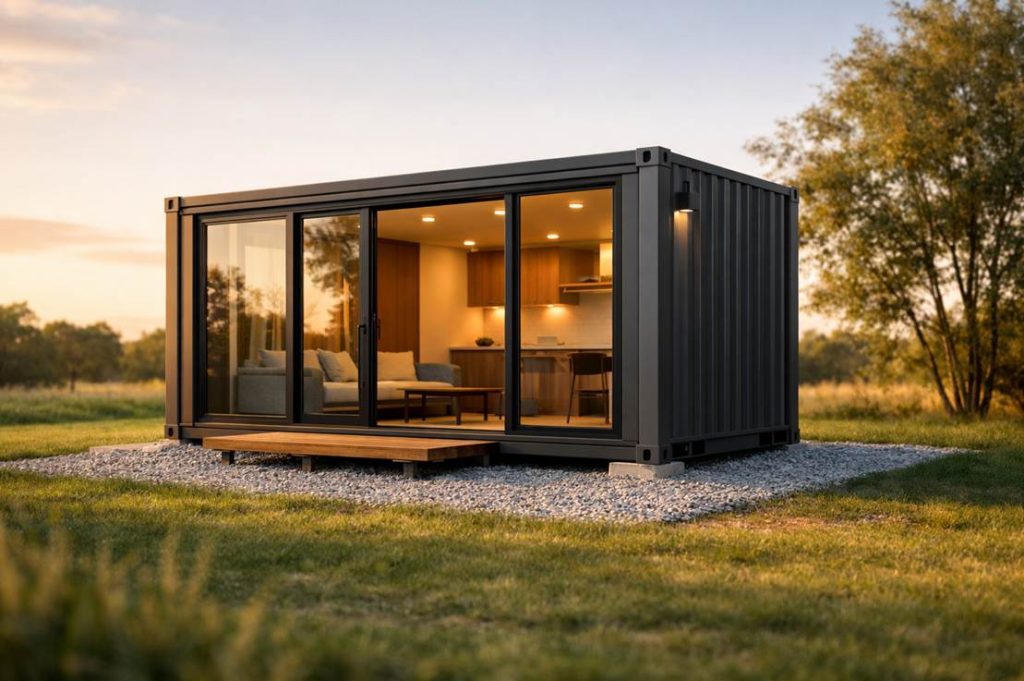
With a really nice container cabin, we can expect to make around $80-$200 per night through short-term rental platforms. If the whole project cost is less than $100K, the payback period of 3-5 years is really quite possible. What is also very appealing about container homes is their distinctive look which, in turn, results in better booking rates on platforms where appearance is a deciding factor.
Backyard Rental Units
ADU rules have eased dramatically throughout North America and Australia. Installing a prefab ADU on a residential lot that is already housing can produce $800-$1,500/month as passive rental income, usually covering the cost of its complete installation within 5 years.
Remote Tourism Projects
Eco resorts, glamping parks, and off-grid operators are looking seriously at modular container cabins instead of more permanent construction as a less risky capital investment. Units can be moved away if the site does not perform.
How to Choose the Best Prefab Home Under 50K
Compare Materials & Structure
Not all prefab frames are made the same. Most cheap frames made from only 1.8mm steel sheets are quite vulnerable to rusting and deforming. ZN House relies on 2.5mm ISO-certified steel for all its container products, which is a significant improvement in durability for a 20+ year lifespan.
Check Insulation Performance
Insulation has a direct impact on energy expenses and comfort measurements through the four seasons of the year. Identify 50mm150mm sandwich panels having cores made of either rock wool (fire-resistant) or PIR foam (moisture-resistant). Make sure to check the performance ratings per the climatic conditions of your location.
Evaluate Transportation Costs
Ask for a shipping price quotation with the unit price. Flat pack models provide the highest shipping efficiency and frequently are the only total cost best option for international buyers or those at remote sites.
Understand Local Regulations
Before buying, make sure you have verified your site’s zoning type, minimum building size requirements, and permit procedure. Some localities have simplified ADU approvals while others have stringent rules on non-traditional buildings.
Choose Experienced Manufacturers
Seek out manufacturers with a track record of global projects, third-party certifications (ISO, CE, BV), and responsive after-sales support.
ZN House offers low-cost modular homes like container houses, tiny houses, modular cabins, and prefabricated buildings for worldwide projects. Thanks to climate-adaptive engineering, 24/7 technical support, and their footprints spanning Asia, Africa, Europe, and the Americas, ZN House is a trustworthy partner for buyers who want reliable prefab houses at competitive prices.
Prefab Homes Under 50K vs Traditional Housing
| Feature | Prefab Homes Under 50K | Traditional Homes |
| Construction Time | Days to weeks | Months to years |
| Labor Cost | Low (factory-built) | High (on-site trades) |
| Customization | Moderate (standard modules + options) | High (fully bespoke) |
| Transportation | Designed for shipping | Fixed on-site |
| Sustainability | Lower waste, reusable materials | Higher waste, permanent |
| Upfront Cost | $15K–$50K (structure) | $150K–$400K+ |
| Permitting | Variable (often simpler) | Complex and local |
Frequently Asked Questions About Prefab Homes Under 50K
Can you really build a complete prefab home under $50K?
Yes. A shopper can get very nice modular shells, expandable container homes, and flat-pack structure systems for fewer than $50,000. But, the author of this talk warns to keep a separate contingency budget for the cost of local site foundation works delivery utility trenching, and permitting fees.
Are prefab homes durable?
Definitely. Nowadays, prefab homes are built by big companies like ZN House; they use galvanized steel framing structures and high-performance, weather-resistant composite walls. Each unit is tested and built to be safe against strong wind, heavy load, and earthquake, which is the same level or even better than typical wooden houses for durability.
Do prefab homes include bathrooms and kitchens?
Numerous prefab kits feature pre-plumbed, fully integrated bathroom units (showers, toilets, and vanities) and compact kitchen basics. It is always a good practice to verify the specs sheet of the particular model you are considering to find out which plumbing interior fixtures are included in the base price.
How long do prefab homes last?
If steel-framed prefab homes are placed on a proper foundation and maintained well with regular exterior upkeep, they can structurally last for about 30 to 50+ years. Thanks to their galvanized coatings, they are protected against rust, decay, termites, and wood-boring insects.
Can prefab homes be customized?
Obviously. Of course, staying within optimized dimensions is the main way to keep costs low, yet buyers will be able to personalize window placements, the color of exterior wall panels, types of interior flooring, different layout options, and the thickness of insulation based on their specific project requirements.
Are prefab homes energy efficient?
Yes. Typically, the components are precisely cut and factory-fitted, which makes the final structural envelope very airtight. When using high density polyurethane (PU) or rock wool cores for insulation and combining them with double-glazed windows, such houses can support stable indoor temperatures and cut down on energy usage.
Do prefab houses require building permits?
In most places, that would be the case. If you plan to use a building as your main or second home, a backyard unit, or a business, it has to be in line with the local zoning laws and building codes for safety. It’s good practice to check with your city or town council before setting a delivery day.
Are prefab homes good for an Airbnb business?
These options are perfect for vacation rentals. Since the capital entry point is very low, the installation timeline is very fast, and the design profiles are very modern and eye-catching, the investors can generate cash flow quite fast and achieve high returns on their investments compared to regular real estate options.
Conclusion
In fact, prefab homes priced at under $50K are one of the strongest opportunities that the current housing market offers. They are cheap, quick to set up, versatile for locations, and their level of design is constantly increasing. You might be going after a tiny main house, a cabin for short-term rent, a backyard accessory dwelling unit, or a solitary holiday home – no matter the case, you’ll be able to find at least one prefab option that fits your budget.
The main ingredient of winning is hardheaded moneymaking. Your structure price is one of your first financial figures – not your overall expenditure. Incorporate land foundation, shipping, utilities, and permits factors right from the start. Opt for a factory whose quality standards can be checked, which offers global project experience, and that is strong in after-sales service.
Ready to explore your options?
Similar Posts

Modular Container House: Future of Affordable & Stylish Living
The modular container house is revolutionizing modern architecture, offering a blend of durability, affordability, and customization. These homes…
How Are Modular Buildings Constructed?
Modular buildings are structures constructed from one or more sections, each of which is commonly called…
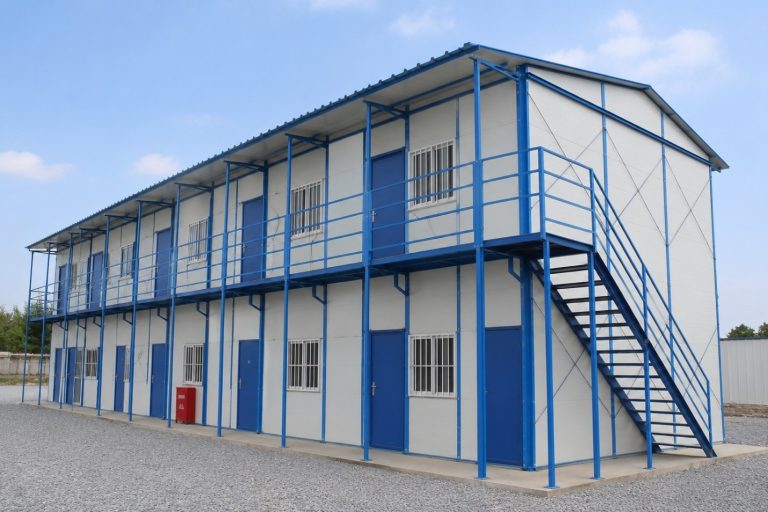
Flat Pack Container House vs Demountable Building: What’s the Difference?
If you are purchasing temporary buildings, worker lodging buildings, site camp accommodation buildings, or remote project…

Revolutionary Modular Living Space Solutions
In today’s architectural field, modular construction is transforming traditional building methods with its unique advantages. As…
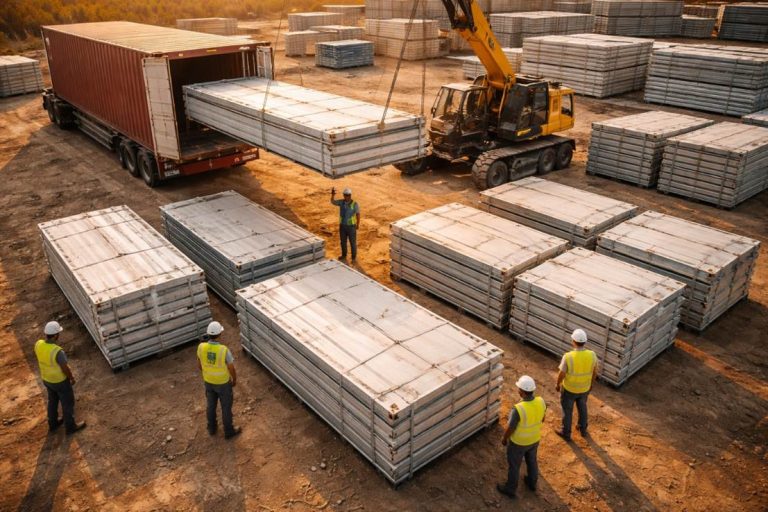
How Many Flat Pack Container Houses Fit in a 40HQ?
Usually, a 40HQ container can fit around 6-10 sets of standard 20ft flat pack container houses….

Modular container house is long-lasting
The architectural landscape is witnessing a paradigm shift, moving towards construction methodologies that prioritize efficiency, sustainability,…


