



What Is Modular Construction?
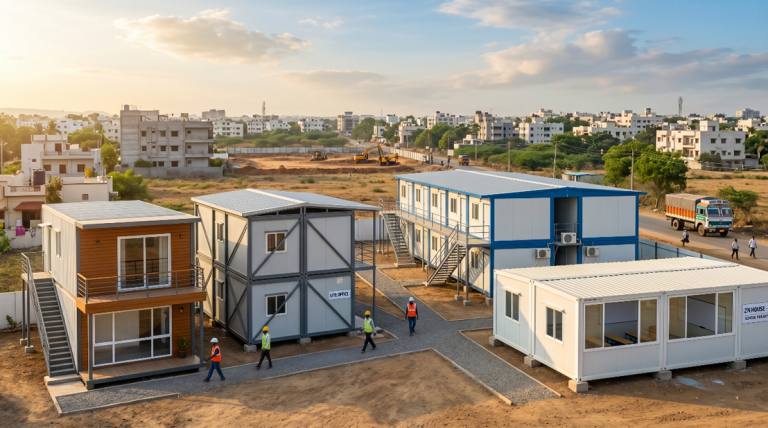
Modular construction is basically a method of making homes or any other type of structures. The main idea is to divide the whole building into several parts, called modules. These modules are manufactured in a factory setting with the utmost precision. Then, they are shipped to the location and put together to create a complete building. In fact, the work on every module is usually done entirely or partially even before it is transported to the project location, so this method nearly eliminates the construction time and enhances the final quality of the work.
The interest in modular construction has been increasing sharply these days. The worldwide demand for faster, more cost-predictable, and more environmentally friendly buildings has led developers, governments, and private investors to offsite manufacturing methods. Modular projects, compared to the conventional site-built ones, can reduce the total building time by 3050%, lower the dependency on labour, minimize material waste of materials, and ensure consistent quality via factory-controlled production.
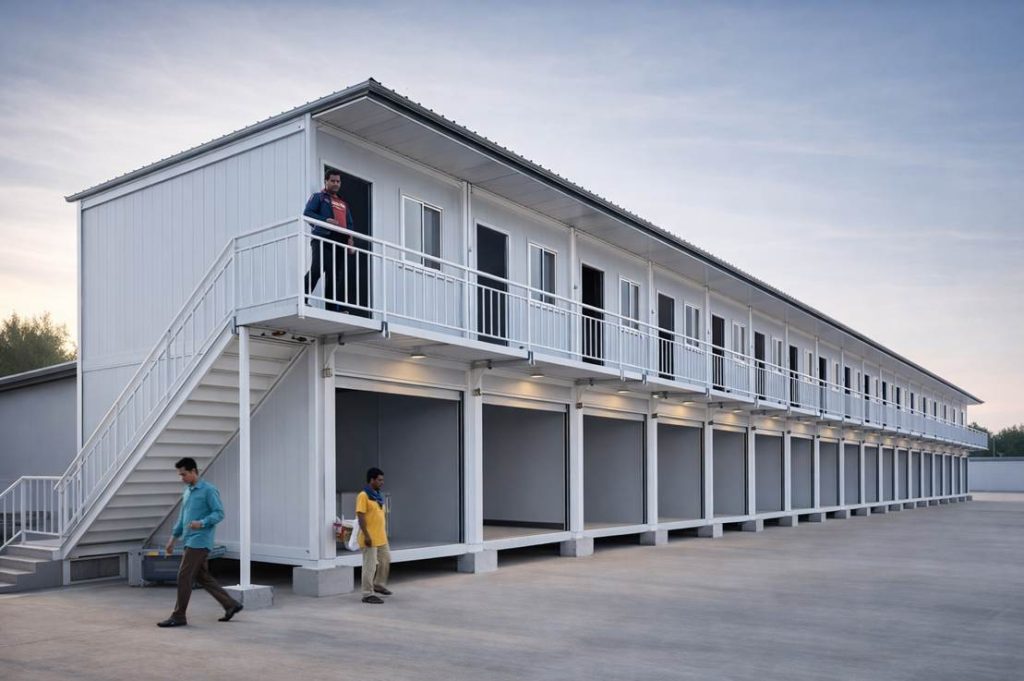
Modular construction is used across a remarkable range of project types, including:
- Residential homes and apartment buildings
- Hotels and hospitality resorts
- Schools and modular classrooms
- Offices and commercial buildings
- Worker accommodation camps for oil, gas, and mining industries
- Healthcare facilities and emergency medical units
What Does Modular Construction Mean?
Definition of Modular Construction
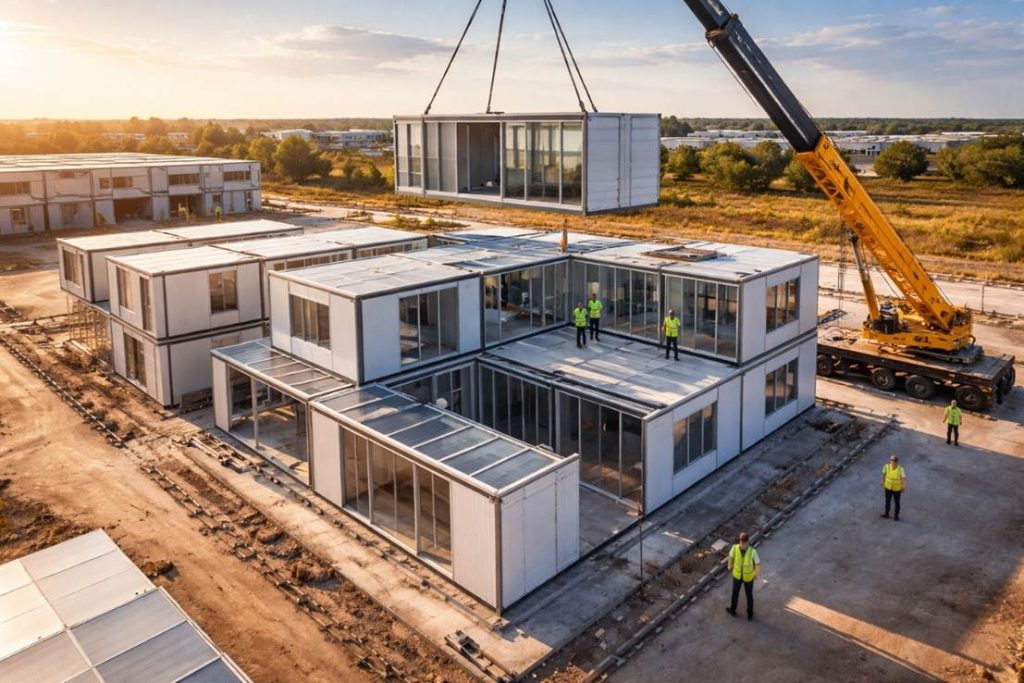
Modular construction, which is sometimes called offsite or prefab construction, refers to a method where building parts or rather, fully-equipped room-sized modules, are produced inside a specially-equipped factory. These modules manufactured in the factory are then taken to the construction site and, after being lifted by crane, are placed on a prepared foundation; afterwards they are joined and completed to create a whole building.
Traditionally, construction was largely a matter of working outdoors and being exposed to the elements, availability of workers, and site conditions. Though, with modular construction, most of the building work is taken off-site to a factory environment where it is controlled, repeatable, and efficient. Because of this, a building can be accomplished in a much shorter time, with greater accuracy, and generating less waste.
How Modular Construction Works
The modular construction method has a clearly defined sequence of events within the modular building development process. The following is a step-by-step overview of each of the stages within that development process:
| # | Stage | What Happens |
| 1 | Architectural Design | Engineers develop detailed 3D blueprints, structural calculations, and material specifications. |
| 2 | Factory Manufacturing | All building modules are precision-built in a controlled factory environment using certified materials. |
| 3 | Quality Inspection | Each module undergoes load testing, waterproofing checks, and quality audits before shipment. |
| 4 | Transportation | Completed modules are loaded onto flatbed trucks, ships, or rail freight and delivered to the project site. |
| 5 | Crane Installation | Modules are lifted and positioned by crane onto prepared foundations, typically in days rather than months. |
| 6 | Utility Connection | Electrical, plumbing, HVAC, and finishing work is completed on-site to create a fully functional building. |
Since factory manufacturing and site preparation are usually done side by side, the modules are being built while the foundation is being laid; modular projects still frequently lead to sizable time savings over traditional construction methods.
Types of Modular Construction
Not all modular construction is the same. Given the application, required permanence, and complexity of design, several distinct types exist.
Permanent Modular Construction
Permanent modular construction (PMC) methodically creates buildings that are intended for permanent use by placing them on fixed foundations. These buildings adhere to the same set of building codes, safety standards, and durability requirements as buildings constructed using traditional methods. PMC finds its major application in the construction of residential housing, hotels, schools, hospitals, and office buildings where a lifespan of several decades is anticipated.
Relocatable Modular Buildings
Relocatable modular buildings (RMBs) are a type of modular construction more specifically intended for disassembly, transportation, and reassembly at one or more different locations. Due to their transportability and adaptability to change, they are perfect for temporary offices at construction sites, classrooms that can be moved from one place to another, military facilities, disaster relief camps, and similar uses.
Volumetric Modular Construction
Construction of volumetric modules entail creating complete three-dimensional room-sized modules. Every module reaches the site completely outfitted, including internal walls, floors, ceilings, wiring for electricity, plumbing, and often furniture as well. These modules are either stacked or connected on-site to create larger buildings with several rooms or floors which is why this method of modular construction is seen as the fastest one.
Panelized Construction Systems
Panelized systems use factory-made flat panels like walls, floors, and roof panels that are transported to the site and assembled there. Even though panelized construction involves more on-site work than volumetric methods, it offers more design flexibility and can also be combined with traditional materials. Flat pack container houses and expandable container systems are well-liked instances of panelized modular solutions.
Hybrid Modular Construction
Hybrid modular construction is the use of factory-built modular components mixed with conventional site-built elements. For example, a building may consist of modular units used as standardized hotel rooms or dormitory blocks, but the lobbies, corridors, and structural cores could be constructed in the traditional way. Through this method, developers can have the best of two worlds: the efficiency of the modular system and the flexibility for design of the complex or architecturally unique elements.
Materials Used in Modular Construction
Building material quality makes a difference in determining the performance, durability, and energy efficiency of a modular building. Today's modular building techniques rely on an ingenious blend of construction, insulation, and fire protection materials to create first-rate, enduring structures.
Steel Structure Systems
In fact, a galvanized steel frame is the structural backbone of most modular buildings. Steel is chosen mainly for the outstanding strength-to-weight ratio it offers, its ability to withstand seismic forces, and its accuracy in dimensions - all very important factors when working in a factory setting. Besides that, hot-dip galvanizing and corrosion-resistant coatings make steel frames last for over 50 years in most climates. ZN House modular units are built on galvanized steel frames, whereas they also provide the option of Corten steel for places that are exposed to extreme weather or salt air.
Sandwich Panel Systems
Sandwich panels are composite wall and roof panels that have an insulating core glued between two solid facing layers (usually galvanized steel sheets). They offer to a single factory-made unit, the combination of architectural strength, thermal insulation, weather protection, and fire resistance. The main core materials typically used in the production of modular construction are:
- EPS (Expanded Polystyrene) panels — lightweight, cost-effective, good thermal insulation for standard climates
- Rockwool (mineral wool) panels — excellent fire resistance and acoustic performance; preferred for commercial and hospitality projects
- PU/PIR (Polyurethane / Polyisocyanurate) insulated panels — superior thermal efficiency; ideal for cold storage, healthcare, and energy-sensitive applications
Thermal Insulation Materials
Besides the sandwich panel cores, modular buildings can also have other insulation elements added to their floors, ceilings, and window reveals. To attain very good thermal performance levels, minimize the expenditure of heating and cooling, and meet the energy efficiency requirements of various countries, the use of mineral wool batts, spray foam, and foam rigid boards is widespread.
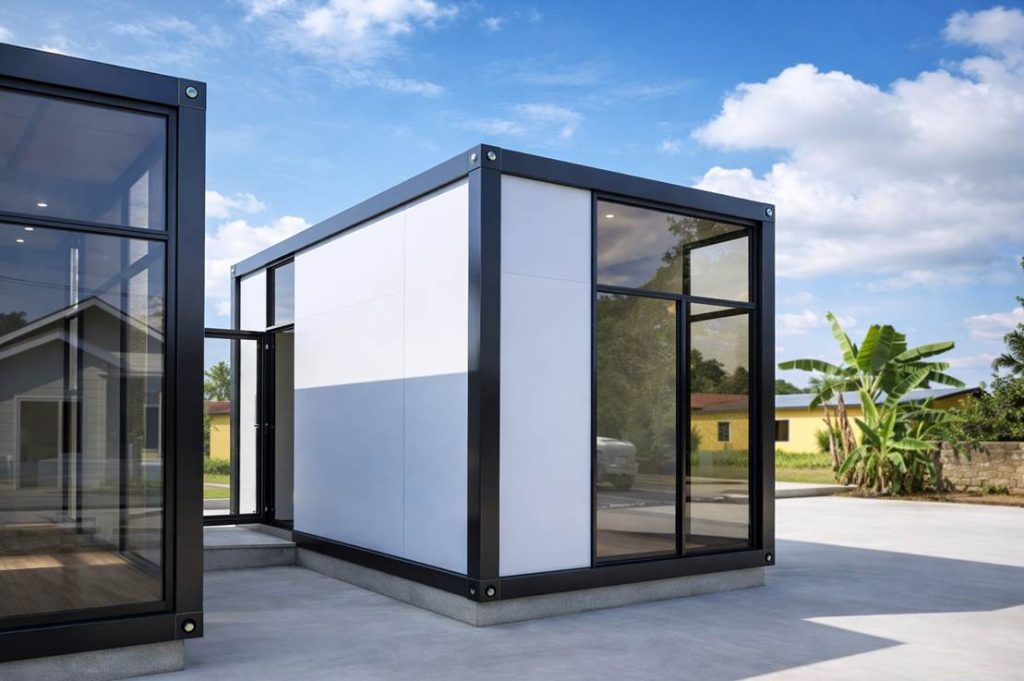
Fire-Resistant Building Materials
Fire safety is perhaps the biggest concern in modular building. Rockwool core panels are usually non-combustible which means they can provide 60-120 minutes of fire resistance depending on the rating. Steel frames also do not spread fire. Moreover, modular units are designed with fire-resistant plasterboard linings, intumescent seals, and factory-applied fireproof coatings. All these components make the units capable of meeting the most rigorous country’s fire codes.
Sustainable Construction Materials
Many leading modular contractors have started sourcing recycled steel and are also shifting their production methods, such as employing low VOC (Volatile Organic Compound) coatings. They also tend to use environmentally friendly insulation materials that have a focus on sustainability. Again, manufacturing methods that are factory-based have an impact on sustainability through reduced material waste due to accurate cutting and tightly controlled inventory practices. Additionally, energy used per square meter is generally less compared to construction carried out on site.
Modular Construction vs Traditional Construction
By knowing the major distinctions between modular and traditional constructions, developers, project managers, and buyers are able to choose the most suitable method that matches their requirements efficiently.
| Feature | Modular Construction | Traditional Construction |
| Construction Speed | 30–50% faster; most work done in factory | Sequential on-site work; longer timelines |
| Labor Requirement | Lower; factory automation reduces headcount | High; large on-site workforce required |
| Weather Delays | Minimal; factory production is weather-independent | Common; rain, heat, or cold can halt work |
| Quality Control | Consistent; ISO-controlled factory environment | Variable; depends on site conditions and crew |
| Waste Reduction | Up to 80% less waste vs. site-built construction | High waste from off-cuts, packaging, and delivery |
| Budget Predictability | High; fixed factory pricing limits surprises | Lower; material and labor fluctuations common |
Which Construction Method Is Better?
Each one of the two methods has its strengths and weaknesses; that is to say, which one to choose depends on the project type, location, timeline, and budget. Modular construction makes a perfect choice if:
- Speed of delivery is a priority — hotels, worker camps, emergency housing, and school expansions all benefit from faster project completion
- Remote or logistically challenging sites are involved — factory production avoids dependence on local tradespeople and material supply chains
- Budget predictability is critical — fixed factory pricing limits exposure to material price inflation and labor cost overruns
- Quality consistency across multiple identical units is required — hospitality, healthcare, and residential developers value factory-controlled repeatability
Traditional construction might be the best option for extremely complicated, architecturally unique landmark buildings, or projects where the regulations, source of materials, or the requirements for the employment of the local community dictate the use of on-site labor.
Common Applications of Modular Construction
Modular construction is used in a wide variety of industries and project types globally. Below is a list of the most typical usages:
Modular Homes
Modular homes that are factory-built give families and developers a cheaper, quicker, and better-quality replacement for traditional house building. Single-level, double-level, and even multi-unit residential blocks can be modularly manufactured. Units vary from small studio flats to large multi-bedroom family houses with fully tailored interiors.
Prefab Hotels
The hospitality industry has been among the quickest to embrace modular construction. Hotel builders manufacture entire guestroom modules in a factory setting, achieving both the in-shop quality and rapid turnaround times, which are then assembled onsite by stacking and linking them with traditionally built lobbies, restaurants, and public areas. Modular hotel construction has enabled projects ranging from island resorts and safari camps to city budget hotels to thrive in different cases.
Modular Schools & Classrooms
Across the world, governments and NGOs have been utilizing modular classrooms as a means of quickly adding educational facilities in communities experiencing growth, remote areas, and zones under post-disaster recovery. Modular school buildings come with fully outfitted electrical systems, climate control, sanitary facilities, and ICT infrastructure before they are delivered.
Construction Site Offices
Relocatable modular buildings are most often used for temporary site offices, project management centers and welfare facilities for construction workers. It is possible to deliver these units in a matter of days, move them from one project to another and keep them in stock when not used - Because of this greatly decreasing the cost of temporary site infrastructure.
Worker Accommodation Camps
Many energy companies, mining operations, and infrastructure developers that are located in remote areas use modular worker camps as a means of housing, feeding, and supporting a large number of workers far away from the communities. Such camps may consist of sleeping modules, dining halls, recreation rooms, medical facilities, laundry blocks, security offices, etc., all manufactured in a factory and transported to the site as an overall self-contained community.
Healthcare Buildings
Modular construction is becoming more popular for building clinics, field hospitals, quarantine centers, and medical testing facilities. The ability to create infection-controlled, cleanroom-compliant modules in a factory and quickly deliver them to the site makes modular construction extremely valuable in case of health emergencies or in areas where medical facilities are not readily available.
Retail & Commercial Buildings
Pop-up shops, fast food outlets, coffee stands, bank branches, small commercial offices, etc. are typically constructed with modular systems. Manufacturing in a factory ensures a consistent standard for the brand across all locations, and quick installation reduces downtime of the business and lowers the costs of premises modifications.
Is Modular Construction Cheaper?
Cost is probably the most frequently asked question about modular construction. Frankly, the best answer would be: in many cases, yes, modular construction is less expensive than traditional construction. Still, these savings depend on a number of major factors.
Key Factors Affecting Cost
- Size — larger projects benefit from greater economies of scale in factory production
- Materials — premium finishes, specialty insulation, or structural steel grades increase unit cost
- Transportation — distance from factory to site, access road conditions, and import duties affect landed cost
- Local labor — on-site connection, finishing, and utility work vary by regional labor rates
- Customization — highly bespoke layouts with unique features are more expensive than standard repeated modules
Why Modular Construction Saves Money
Modular construction is economically competitive because of a number of structural cost advantages:
- Reduced on-site labor — fewer workers needed for less time on-site
- Faster installation — shorter project durations reduce financing and holding costs
- Less material waste — factory precision minimizes offcuts and over-ordering
- Fewer weather-related delays — factory production is unaffected by rain, wind, or extreme temperatures
- Predictable pricing — fixed factory quotes limit exposure to market price fluctuations
When Modular Construction May Cost More
Excessive customization needs, extremely remote transportation routes, complicated multi-story building designs that have unusual load requirements, or projects located in areas where steel import tariffs are very high might cause increased modular costs compared to conventional alternatives. In such situations, a thorough analysis of costs and benefits that takes into account total project cost (not merely construction cost), incorporating the time value of money, faster revenue generation, and lower defect risk will in most cases still support the modular method.
Frequently Asked Questions About Modular Construction
What is modular construction?
Modular construction is a unique way of building whereby parts are manufactured in a factory environment, transported to the project site and assembled to produce a complete building. It can deliver a faster work program, the upkeep of a high standard at all times, and also cutting down on costs, when contrasted with traditional on-site building techniques.
Is modular construction cheaper?
Generally speaking, the answer is yes. Modular construction is considered more cost-effective than traditional building methods in many ways because it involves lower labor requirements, speedy delivery, less material wastage, and factory prices which are usually stable. The overall cost saving depends on factors such as the scale, the place, and the intricacies of the project.
Are modular buildings durable?
Yes. Contemporary modular buildings built with galvanized steel frames and top-quality sandwich panel systems are able to compete with and even outmatch conventional buildings about structural stability, fire safety, and resistance to the weather. Typically, with proper maintenance, the lifespan of these structures can reach 25 to 50 years.
How long does modular construction take?
The production of modules in a factory usually spans 4-12 weeks, varying as the size of the project, whereas the time needed for site installation ranges from days to a few weeks at most. In general, modular projects are around 30-50% quicker than their conventional counterparts from the initiation stage through to occupancy.
Can modular buildings be customized?
Yes, Modular buildings offer a great degree of customization to suit your needs. This includes the size and layout of the modules, the type of external cladding and finish, interior design and materials, door and window types, heating and cooling systems (including electrical and plumbing), as well as the integration of smart home or solar energy systems.
What is the difference between prefab and modular construction?
While the terms are interchangeable most of the time, prefab (prefabricated) construction is actually the larger category - it includes any building with components made in a factory. Modular construction is one of the ways of prefabrication where whole three-dimensional volumetric units (modules) are manufactured and delivered to the site, not just panels or components.
Can modular buildings be relocated?
Relocatable modular buildings (RMBs) are made to be easily taken apart, moved and put up again at a different location. But permanent modular construction is meant for staying a long time on fixed foundations and usually, people do not relocate it after installation. Your modular manufacturer will give you the right advice on the most suitable system for your project's needs.
Conclusion
Modular construction has gradually shifted from a specialized building technique to one of the major trends that change the whole construction industry worldwide. It brings together an impressive mix of fast delivery, price predictability, better quality control, environmentally friendly design, and even design freedom that traditional building methods just cannot match on a large scale.
Developers of projects, public authorities, hotel chains, and industrial companies are looking at the modular construction possibility in a different way. Nowadays, the main question is not if modular construction should be taken into account but rather how to choose the best manufacturing partner and design the project to make the most of the modular benefits.
Also, via factory production, the costs were lowered. There is total quality from one module to the next. As far as the structure goes, modular buildings can be on a par with normal ones. The carbon footprint in the whole supply chain is also lower. The argument in favour of modular construction getting stronger is the highest it has ever been.
Ready to start your modular construction project? Contact ZN House today:
→ Request a Project Consultation
Similar Posts
Flat Pack Container House: A Practical Buyer's Guide to Fast, Affordable Modular Living
How factory-built, bolt-together construction is changing the way homes, offices, and dormitories get built worldwide People...
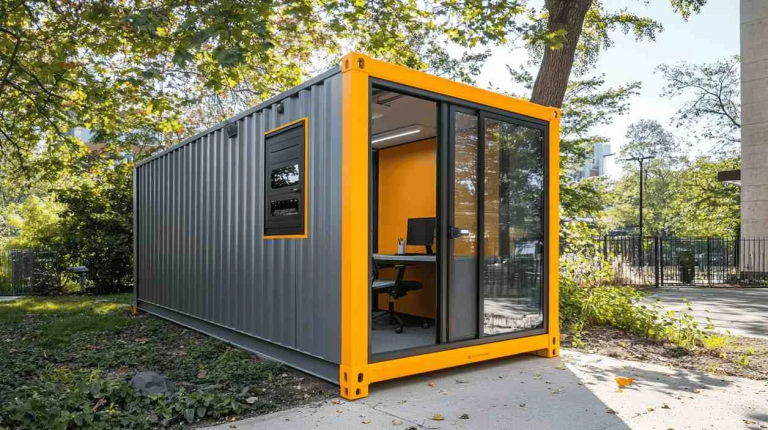
Container Office Design & Price Guide: Plans, Fit-Outs & Setup Checklist
Why teams pick a container office A modern container office is a pre-engineered workspace that lands on...
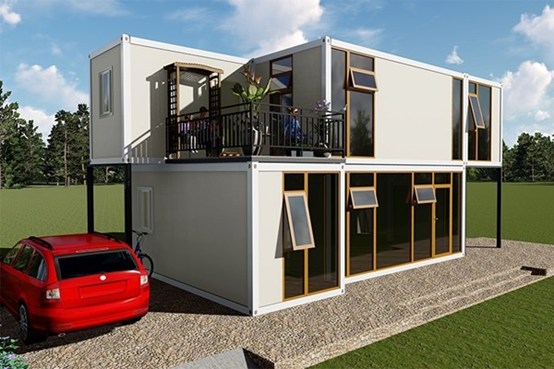
The Future of Sustainable Living: A Deep Dive into Modular Integrated House Solutions
Introduction of Modular Integrated House Solutions Modular construction has experienced a boom due to increased worldwide...
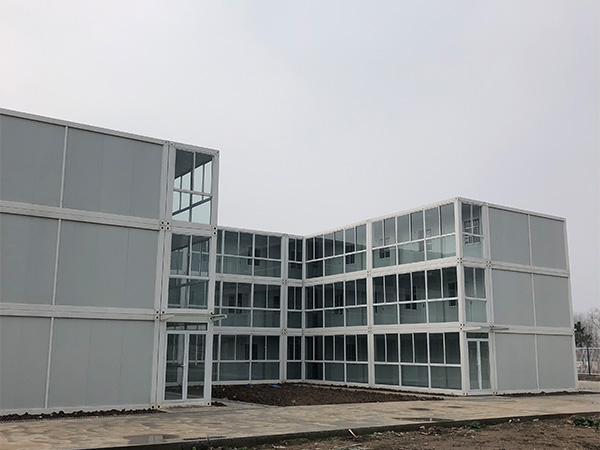
Classroom Container Prices: How to Future-Proof Your Investment
What Are Classroom Containers? When schools face space crunches or tight budgets, many educators are discovering...
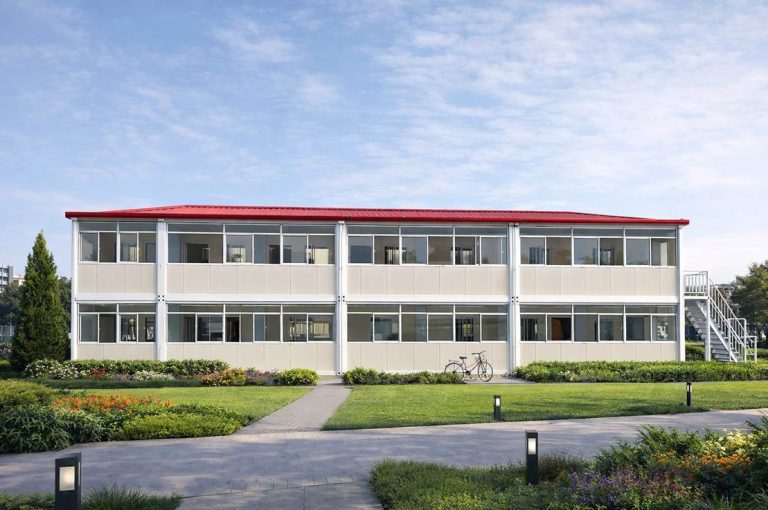
How Much Do Portable Classrooms Cost
The cost for portable classroom has been found to be USD 50,000 to 300,000; a number...
Top 5 Container House Manufacturers in India
The demand for container houses in India has increased significantly over the last few years. This...


