



How Flat-Pack Homes Might Address Worldwide Housing Shortages
The world is facing an unprecedented housing crisis, with millions of people in need of affordable, sustainable, and rapidly deployable homes. Flat pack houses and flat pack buildings offer a revolutionary solution that merges innovation with practicality. By leveraging the efficiency of modular construction and the flexibility of prefabrication, these structures have the potential to transform the way we approach housing on a global scale. In this article, we will explore how flat pack homes and flat pack lodges can address the pressing issues of housing shortages, sustainability, and affordability.
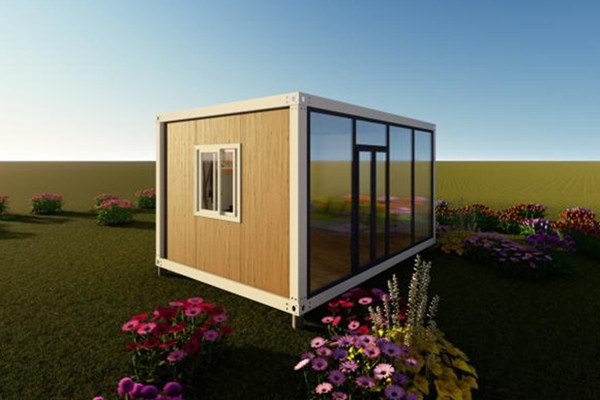
The Efficiency of Flat-Pack Houses in Modular Construction
One of the most compelling advantages of flat pack houses is their modular nature. These structures are designed to be easily transported and assembled on-site, making them an ideal solution for areas with limited access to traditional construction resources. The components of a flat pack house are manufactured in a factory setting, ensuring high-quality standards and precision. This not only reduces the time required for construction but also minimizes waste and labor costs. For example, flat pack homes can be assembled in a fraction of the time it takes to build a traditional house, significantly speeding up the process of providing shelter to those in need.
l Customization and Flexibility
Flat pack houses offer a high degree of customization, allowing homeowners and developers to tailor the design to their specific needs. Whether it is a single-room cabin or a multi-story flat pack building, these structures can be adapted to suit various layouts and functional requirements. This flexibility is crucial in addressing the diverse housing needs of different communities and regions. Additionally, the modular design of flat pack homes means that they can be easily expanded or reconfigured as needed, providing long-term adaptability.
l Sustainability and Environmental Impact
In an era where environmental sustainability is a top priority, flat pack houses stand out as an eco-friendly alternative to traditional construction. These structures are typically made from sustainable materials such as timber and steel, which are both durable and recyclable. The factory production process of flat pack homes also reduces carbon emissions by up to 60% compared to on-site construction. Furthermore, the modular design allows for efficient use of materials, minimizing waste and environmental impact. By choosing flat pack houses, we can contribute to a more sustainable future while still meeting our housing needs.
l Cost-Effectiveness and Affordability
Affordability is a key factor in addressing the global housing crisis, and flat pack homes offer a cost-effective solution. The modular construction process reduces transportation and labor costs, making flat pack houses more affordable than traditional builds. Additionally, the ability to customize the design means that homeowners can choose the features and materials that best fit their budget. This makes flat pack homes an accessible option for a wide range of people, from first-time homebuyers to those in need of temporary housing.
Flat-Pack Houses: Versatility in Application
Flat pack houses are incredibly versatile and can be utilized in a variety of scenarios. From temporary housing solutions to permanent residences, these structures offer a flexible and efficient alternative to traditional housing. For example, in areas affected by natural disasters, flat pack homes can be quickly deployed and assembled to provide immediate shelter to those in need. Similarly, flat pack lodges can serve as vacation homes, offering a customizable and sustainable option for those seeking a unique getaway.
l Temporary Housing Solutions
As urban populations continue to grow, the demand for affordable housing has skyrocketed. Flat pack houses provide a cost-effective solution for individuals and families looking for a home without breaking the bank. In situations where temporary housing is needed, such as during natural disasters or for construction workers on-site, flat pack homes can be quickly assembled and deployed. This flexibility makes them an ideal solution for addressing housing shortages in both urban and rural areas.
l Permanent Residences
Beyond temporary use, flat pack houses can also serve as permanent residences. These structures are designed to be durable and long-lasting, with materials such as galvanized steel and insulated panels ensuring a lifespan of over 15 years. The modular design allows for customization and expansion, making flat pack homes a viable option for those looking for a sustainable and affordable permanent residence. Whether it is a single-family home or a multi-unit residential complex, flat pack houses can be adapted to meet the needs of any community.
l Commercial and Recreational Use
In addition to residential applications, flat pack buildings can also be utilized for commercial and recreational purposes. They can be adapted into offices, cafes, or retail shops, offering flexibility to business owners. Flat pack lodges can be placed in remote locations, providing a perfect getaway for those seeking a unique vacation experience. The versatility of flat pack houses makes them a valuable asset in addressing the diverse needs of modern society.
The Role of Technology in Advancing Flat-Pack Houses
The advancement of technology has played a crucial role in the development and popularization of flat pack houses. Modern design software allows for precise customization and planning, ensuring that each flat pack home meets the specific needs of its occupants. Additionally, advancements in materials and manufacturing processes have improved the durability and sustainability of these structures. For example, the use of insulated panels and sustainable materials such as EPS and rockwool ensures that flat pack houses are both energy-efficient and environmentally friendly.
l Design and Customization
The journey of creating a flat pack house begins with a consultation where designers work closely with clients to understand their needs and preferences. Advanced software is used to create customized blueprints that reflect the client’s vision while adhering to local building regulations. This ensures that each flat pack home is tailored to the specific requirements of its occupants, providing a personalized living experience.
l Material Selection and Sustainability
The choice of materials is a critical aspect of flat pack homes. Sustainable materials such as timber and recycled steel are prioritized, reducing the environmental impact of these structures. The use of insulated panels and other sustainable materials ensures that flat pack houses are energy-efficient and long-lasting. Additionally, the modular design allows for efficient use of materials, minimizing waste and environmental impact.
l Quality Control and Manufacturing
Once the design is finalized, the components of a flat pack house are prefabricated in a factory setting. This controlled environment allows for precise manufacturing, minimizing waste and ensuring quality. Each component, from walls to roofing, is produced with meticulous attention to detail. Before the components leave the factory, they undergo rigorous quality control checks to ensure that every piece meets high standards and is ready for assembly upon arrival at the construction site.
The Future of Flat-Pack Houses: A Call to Action
As we look to the future, flat pack houses and flat pack buildings offer a promising solution to the global housing crisis. By leveraging the efficiency of modular construction, the flexibility of customization, and the sustainability of eco-friendly materials, these structures have the potential to transform the way we approach housing. Wholesalers and distributors have a crucial role to play in promoting and distributing flat pack homes. By supporting the adoption of these innovative structures, we can contribute to a more sustainable and affordable future for all.
l Encouraging Wholesalers to Promote Flat Pack Homes
Wholesalers and distributors have the power to drive the adoption of flat pack houses by promoting their benefits to a wider audience. By highlighting the cost-effectiveness, sustainability, and versatility of these structures, they can help to address the pressing issue of housing shortages. Wholesalers are encouraged to partner with manufacturers such as ZN HOUSE to bring these innovative solutions to their customers.
l Ordering Flat Pack Homes from ZN HOUSE
ZN HOUSE is a leading manufacturer of flat pack houses and flat pack buildings, offering a comprehensive range of customizable and sustainable solutions. By ordering flat pack homes from ZN HOUSE, customers can benefit from high-quality materials, precise manufacturing, and comprehensive support. Whether it is a single-family home or a multi-unit residential complex, ZN HOUSE can provide a tailored solution to meet any housing need.
l Joining the Movement for Sustainable Housing
The global housing crisis requires innovative and sustainable solutions, and flat pack houses offer a promising path forward. By supporting the adoption of these structures, we can contribute to a more sustainable and affordable future for all. We encourage everyone to explore the benefits of flat pack homes and to join the movement for sustainable housing.
FAQ:About Flat-Pack Houses
What are the advantages of flat pack houses over traditional construction?
Flat pack houses offer several advantages over traditional construction, including faster assembly times, lower transportation and labor costs, and greater customization options. Additionally, these structures are typically made from sustainable materials, making them an eco-friendly alternative to traditional builds.
How long does it take to assemble a flat pack house?
The assembly time for a flat pack house can vary depending on the size and complexity of the structure. However, due to their modular design, flat pack homes can be assembled in a fraction of the time it takes to build a traditional house. In some cases, a flat pack house can be assembled in just a few hours.
Are flat pack houses durable and long-lasting?
Yes, flat pack houses are designed to be durable and long-lasting. They are typically made from materials such as galvanized steel and insulated panels, ensuring a lifespan of over 15 years. Additionally, the modular design allows for easy maintenance and repairs, further extending the life of the structure.
Can flat pack houses be customized to meet specific needs?
Absolutely. One of the key features of flat pack houses is their high degree of customization. Whether it is a single-room cabin or a multi-story flat pack building, these structures can be tailored to meet specific design preferences and functional requirements. This flexibility makes flat pack houses a versatile solution for a wide range of housing needs.
How much do flat pack houses cost?
The cost of a flat pack house can vary depending on factors such as size, materials, and customization options. However, due to the efficiency of modular construction and the use of sustainable materials, flat pack houses are generally more affordable than traditional builds. On average, a flat pack house can cost up to 40% less than a traditional house, making them an accessible option for many people.
By embracing the potential of flat pack houses, we can take a significant step towards addressing the global housing crisis. These innovative structures offer a sustainable, affordable, and versatile solution that can transform the way we approach housing. We encourage everyone to explore the benefits of flat pack homes and to join the movement for a more sustainable future.
Similar Posts

Innovative Flat Pack Homes Solutions Revolutionizing Modern Construction
The construction industry is undergoing a transformation with the rise of Flat Pack Homes, Flat Pack Container House, and Flat…

Modular Container Homes: The Future of Affordable Housing
As the world increasingly embraces sustainability and flexibility, modular container buildings have emerged as one of the…

Modular container house is long-lasting
The architectural landscape is witnessing a paradigm shift, moving towards construction methodologies that prioritize efficiency, sustainability,…

Foldable Container Homes: Smart Living for Modern Needs
The housing industry is evolving, and folding container house designs are leading the charge. These innovative structures offer…
Modular Container Homes: The Future of Flexible Living
Modular Container House Prefab Tiny Home House: Compact Living with Big Possibilities Discover the perfect blend…
Techniques to Save Time When Assembling a House
Assembling a house, whether it’s a traditional build or an innovative assemble container house, can be…


