



Shipping Container House Wiring Guide
Shipping container house wiring requires careful planning for power supply, outlet placement, lighting, grounding, circuit protection and local electrical code compliance. A proper electrical layout helps improve safety, comfort and long-term reliability, whether the container house is used as a home, site office, dormitory, classroom or temporary accommodation unit.
This guide explains how to plan the electrical layout for a shipping container house, what wiring components are commonly used, how to think about power requirements, what safety issues should be considered, and when factory pre-wiring may be a better option than completing all electrical work on site.
Safety note: Electrical wiring should be designed, installed and inspected according to local electrical codes. Final connection, testing and approval should be completed by a licensed electrician or qualified electrical contractor in the project location.
In the realm of alternative housing, shipping container houses have gained significant popularity for their affordability, sustainability, and versatility. As a leading wholesaler, Suzhou Zhongnan Steel Structure Co., Ltd. recognizes that proper wiring is a critical aspect of constructing functional and safe converted shipping containers and shipping container buildings. This comprehensive guide will provide in – depth insights into the wiring process, helping you navigate the complexities and ensure your shipping container house is wired to the highest standards.

What Is Shipping Container House Wiring?
Shipping container house wiring refers to the electrical system installed inside a container-based building. It includes the main electrical panel, circuit breakers, wiring cables, outlets, switches, lighting fixtures, grounding system and any dedicated circuits required for appliances such as air conditioners, water heaters, kitchen equipment or office devices.
Unlike a traditional building, a shipping container house has a steel structure, limited wall cavity space and specific requirements for moisture protection, cable routing and grounding. This means the electrical layout should be planned together with the interior layout, insulation system, wall panels, doors, windows, plumbing and final use of the container building.
Why Proper Wiring Matters
Proper wiring is one of the most important parts of a container house project. A safe and well-planned electrical system affects daily use, long-term reliability and compliance with local requirements.
Key reasons include:
Safety: Incorrect wiring, poor grounding or overloaded circuits can increase the risk of electric shock, short circuits and fire.
Functionality: A good layout ensures that lighting, sockets, air conditioning, kitchen equipment, bathroom facilities and office devices can be used conveniently.
Future use: Planning spare circuits and extra panel capacity makes it easier to add appliances, solar power, security systems or communication equipment later.
Compliance: Electrical systems must follow local electrical codes, permit requirements and inspection standards in the project location.
Key Factors That Affect Container House Wiring
The wiring plan for a shipping container house depends on how the building will be used, how many rooms it has and what electrical loads need to be supported. A small container office, a residential container home and a multi-unit worker dormitory may require very different electrical layouts.
The main factors include container size, internal layout, appliance load, outlet quantity, lighting design, wet-area requirements, air conditioning, local voltage standards, grounding requirements and whether the electrical system is pre-installed in the factory or completed on site.
| Factor | How It Affects Wiring |
| Container size | Larger units require longer cable runs, more outlets, and more lighting points. |
| Room layout | More rooms require more switches, circuits, and separated power zones. |
| Intended use | Homes, offices, dormitories, classrooms, and site facilities have different power needs. |
| High-power appliances | Air conditioners, water heaters, and kitchen equipment may need dedicated circuits. |
| Wet areas | Bathrooms and kitchens require moisture protection and suitable outlet placement. |
| Local voltage and codes | Electrical design must match local power standards and inspection requirements. |
| Future expansion | Spare circuits and panel capacity make future upgrades easier. |
Basic Electrical Layout for a Shipping Container House
A basic electrical layout for a shipping container house should show where power enters the building, where the electrical panel is placed, how lighting and socket circuits are distributed, and which appliances require dedicated circuits.
For a simple single-container house, the layout usually includes one main electrical panel, lighting circuits, general outlet circuits, kitchen or appliance circuits, bathroom waterproof outlets and grounding. For larger container buildings or container camp projects, the layout may also include multiple sub-panels, outdoor lighting, emergency lighting, water pump circuits, ventilation systems, security systems and backup power connections.
| Area | Common Electrical Points |
| Living area | Wall outlets, lighting switches, ceiling lights, TV or internet points. |
| Bedroom / dormitory | Bedside outlets, lighting, fan or AC circuit. |
| Kitchen | Countertop outlets, appliance outlets, and dedicated circuits for high-load devices. |
| Bathroom | Waterproof outlets, lighting, ventilation, and water heater circuit. |
| Office area | Extra outlets, data points, lighting, printer or equipment power. |
| Outdoor area | External lighting, weatherproof outlets, grounding, and protection. |
How to Plan Wiring for a Shipping Container House
Step 1: List All Electrical Loads
Start by listing all appliances, lighting points and electrical devices that will be used in the container house. This may include LED lights, wall outlets, air conditioners, water heaters, kitchen appliances, bathroom ventilation, office equipment, security devices and communication equipment.
For container offices, dormitories or camp facilities, the electrical load should be planned according to the number of users and the daily operating scenario. A dormitory may need more bedside outlets and lighting points, while a site office may need more sockets, data points and equipment circuits.
Step 2: Calculate Power Requirements
After listing the electrical devices, estimate the power demand of each item and calculate the total load. High-power equipment such as air conditioners, electric water heaters, kitchen appliances and pumps should be considered carefully because they may require dedicated circuits.
The total electrical load helps determine the size of the electrical panel, circuit breakers, wire sizes and the number of circuits required. For larger modular container buildings, the electrical design should also consider voltage drop, distribution distance and future expansion.
| Appliance / System | Typical Wiring Consideration |
| LED lighting | Usually grouped into lighting circuits. |
| Wall outlets | Planned by room, function, and user density. |
| Air conditioner | Often requires a dedicated circuit. |
| Water heater | Requires a suitable breaker and cable size. |
| Kitchen appliances | May need separated circuits for higher loads. |
| Office equipment | More outlets and surge protection may be needed. |
| Security system | May require continuous power or backup power. |
| Water pump | May require a dedicated circuit depending on power demand. |
Step 3: Create a Wiring Diagram
A wiring diagram should mark the locations of the electrical panel, outlets, switches, lights, appliances, conduits and main cable routes. It helps confirm whether each room has enough power points and whether high-load equipment is separated into suitable circuits.
For prefab container house projects, the wiring diagram should be confirmed before production if electrical components will be pre-installed in the factory. For projects where the final utility connection is uncertain, the factory can prepare basic wiring points while final connection and inspection are completed locally.
Assessing Electrical Needs
- Listing Electrical Appliances and Devices: Start by making a comprehensive list of all the electrical appliances, devices, and fixtures you plan to use in your shipping container house. This includes everything from refrigerators, washing machines, and air conditioners to lights, televisions, and computers. For converted shipping containers used as offices, you may also need to consider power – hungry equipment like servers and printers.
- Calculating Power Requirements: Once you have the list, calculate the total power requirements of all the devices. This involves determining the wattage of each appliance and adding them together. Understanding the power requirements helps in selecting the appropriate electrical service entrance, circuit breakers, and wire sizes for your shipping container building. Suzhou Zhongnan Steel Structure Co., Ltd. can provide guidance on power calculations to ensure your wiring system can handle the load.
Creating a Wiring Diagram
- Mapping Out the Layout: Based on the layout of your shipping container house, create a detailed wiring diagram. Mark the locations of electrical panels, outlets, switches, lights, and any other electrical components. This diagram serves as a blueprint for the wiring installation, helping you visualize the routing of wires and ensuring that all areas of the container are properly served.
- Considering Future Expansion: When creating the wiring diagram for your converted shipping containers, it’s wise to consider future expansion. Leave room in the electrical panel for additional circuits, and plan for potential areas where you may add more appliances or fixtures in the future. This forward – thinking approach saves time and money if you decide to upgrade or expand your container home later.
Electrical Components for Shipping Container Houses
Electrical Panels
The electrical panel is the control center of the container house electrical system. It distributes power to different circuits and protects the system through circuit breakers.
The panel should be selected according to total load, number of circuits, local voltage standards and future expansion needs. It should be installed in a dry, accessible and protected location. For multi-unit container buildings or container camp projects, sub-panels may be used to distribute power to different functional areas.
Wiring Cables
Wiring cables should be selected according to circuit load, installation environment, cable route and local electrical standards. The correct wire size helps prevent overheating, voltage drop and long-term safety risks.
In container buildings, cables may need additional protection because the structure is made of steel. Cable routing should avoid sharp metal edges, high-temperature areas, wet areas and locations where the cable may be damaged by movement, vibration or installation work.
Outlets and Switches
Outlet and switch placement should follow the interior layout and daily use scenario. In residential container houses, outlets should be placed near beds, desks, kitchen counters and living areas. In container offices, more sockets may be needed for computers, printers and network devices. In dormitories, each sleeping area should have convenient access to power.
Switches should be installed in practical locations near doors, beds or work areas. Bathrooms, kitchens and outdoor areas should use suitable waterproof or moisture-resistant electrical components according to local requirements.
Grounding System
Grounding is especially important for shipping container houses because the building structure is made of steel. A proper grounding and bonding system helps reduce the risk of electric shock and improves overall electrical safety.
The grounding design should follow local electrical codes and should be inspected by qualified professionals before the container house is connected to the power supply.
Conduits and Cable Protection
Conduits, cable clips and protective sleeves help protect wiring from physical damage, moisture and contact with metal edges. They are commonly used in exposed areas, service zones, wall cavities, ceilings and external cable routes.
Good cable protection is important for container buildings because transportation, lifting, assembly and long-term vibration may affect unprotected wiring.
Container House Wiring Installation Process
Container house wiring installation should follow the approved electrical layout and be completed according to local electrical codes. The process usually includes container preparation, cable routing, component installation, system testing, and final inspection.
For prefab container houses, some wiring work can be completed during factory production. This helps reduce on-site installation time and improves consistency. However, final power connection, testing, and approval should still be completed by qualified electricians in the project location.
Preparing the Container
Before wiring installation, the container should be checked for interior layout, wall panel system, insulation layer, door and window position, plumbing route, and equipment placement. Cable routes should be planned before wall panels are closed.
The interior surface should be clean, and wiring routes should avoid sharp edges, wet areas, heat sources, and structural points that may be drilled or cut later. Proper preparation helps reduce rework and improves long-term electrical safety.
Running the Wires
Wires should be routed according to the approved wiring diagram. Depending on the container design, cables may run through conduits, wall cavities, ceiling spaces, or protected service channels.
Cables should be fixed properly and protected from movement, vibration, moisture, and physical damage. For factory-built container houses, this step can be completed during production before interior panels and finishes are installed.
Connecting the Components
After cable routing, outlets, switches, lighting fixtures, distribution boxes, and electrical panels are connected according to the circuit design. Each circuit should be clearly labeled for future maintenance.
Final testing should include continuity checks, grounding checks, insulation checks, circuit breaker testing, and load testing. Before the container house is connected to the local power supply, the electrical system should be inspected and approved by licensed electricians according to local regulations.
Factory Pre-Wiring vs On-Site Wiring
For prefab container house projects, electrical wiring can be completed either in the factory or on site. Factory pre-wiring means that sockets, switches, lights, distribution boxes, and basic cable routes are installed during production before delivery. This can reduce on-site labor, improve installation consistency, and shorten the project schedule.
On-site wiring provides more flexibility when the final site layout, local electrical code requirements, or utility connection points are not confirmed before production. In many international projects, a combined approach is used: the factory prepares the internal wiring, lighting, sockets, and distribution boxes, while licensed local electricians complete the final connection, testing, and approval on site.
ZN House can customize electrical wiring, lighting, sockets, distribution boxes, and utility systems according to the approved layout before delivery. This helps clients reduce on-site installation work for container homes, site offices, dormitories, classrooms, and container camp projects.
Need a container house with pre-installed electrical wiring? Contact ZN House to discuss your layout, power requirements, and factory pre-installation options.
How Much Does Shipping Container House Wiring Cost?
The cost of wiring a shipping container house depends on the container size, room layout, electrical load, outlet quantity, lighting design, cable type, panel size, appliance requirements, local electrical code requirements, and whether the wiring is completed in the factory or on site.
A simple container office or small container home usually requires fewer circuits and outlets, while a larger container dormitory, classroom, kitchen unit, or container camp facility may require more complex power distribution. High-load equipment such as air conditioners, water heaters, pumps, and kitchen appliances can also increase wiring complexity and cost.
| Cost Factor | How It Affects Price |
| Container size | Larger units require longer cable runs and more electrical points. |
| Room layout | More rooms require more switches, outlets, and separated circuits. |
| Appliance load | AC, water heaters, and kitchen equipment may need dedicated circuits. |
| Panel and breaker size | Higher load capacity may require larger panels and more breakers. |
| Cable protection | Conduits and protective materials can increase material cost. |
| Factory pre-wiring | Reduces on-site labor but requires confirmed design before production. |
| Local inspection | Some regions require licensed electrician testing and approval. |
Common Wiring Mistakes to Avoid
Common wiring mistakes in shipping container houses include using undersized wires, overloading one circuit, placing outlets too close to wet areas, failing to ground the steel container structure properly, leaving no spare capacity in the electrical panel, and routing cables near sharp metal edges.
Another common mistake is planning the electrical system after the interior layout has already been completed. For prefab container houses, wiring should be considered together with wall panels, insulation, plumbing, air conditioning, furniture layout, and final site connection requirements.
To reduce these risks, the wiring layout should be confirmed before production or installation begins. For international container house projects, final connection, testing, and approval should always follow local electrical codes and be completed by qualified electricians.
Shipping Container House Wiring FAQs
Can I wire my shipping container house on my own?
Electrical wiring should only be handled by people with proper electrical knowledge, tools, and experience. Because shipping container houses have a steel structure and may involve grounding, moisture protection, and local code requirements, most projects should be installed or inspected by licensed electricians.
For prefab container house projects, the internal wiring layout can be prepared during production, but final connection, testing, and approval should follow local electrical regulations.
Does a shipping container house need grounding?
Yes. Grounding is very important for shipping container houses because the main structure is made of steel. A proper grounding and bonding system helps reduce the risk of electric shock and improves overall electrical safety.
The grounding design should comply with local electrical codes and be inspected by qualified professionals before the container house is connected to the power supply.
Where should the electrical panel be placed in a container house?
The electrical panel should be installed in a dry, accessible, and protected location. It should not be placed in wet areas or locations that are difficult to maintain.
For larger container buildings or container camp projects, the panel position should also consider cable routing, load distribution, and future maintenance access.
Can electrical wiring be pre-installed in a container house?
Yes. For prefab container house projects, wiring, sockets, switches, lights, and distribution boxes can be pre-installed in the factory according to the approved layout.
This can reduce on-site installation work and shorten the project schedule. Final power connection and inspection should still be completed locally according to electrical regulations.
How much does it cost to wire a shipping container house?
The cost depends on container size, room layout, outlet quantity, lighting design, electrical load, cable type, panel size, local code requirements, and whether the wiring is completed in the factory or on site.
A simple container office usually costs less to wire than a multi-room dormitory, kitchen unit, or container camp facility.
What type of wiring cable is best for a shipping container house?
The suitable cable type depends on the electrical load, installation method, cable route, and local code requirements.
Cables should be properly sized for the circuit and protected from moisture, heat, sharp metal edges, and physical damage. In exposed areas, conduit or armored cable may be required.
Can a shipping container house use solar power?
Yes. A shipping container house can be designed to work with solar panels, batteries, inverters, or backup generators.
The electrical system should be planned according to the expected power load, available sunlight, backup needs, and local electrical requirements. For off-grid or remote projects, solar power can be considered during the early layout and wiring design stage.
A safe and practical shipping container house wiring plan should consider power load, outlet placement, lighting, grounding, circuit protection, wet-area safety and local electrical code compliance from the beginning of the project.
For container homes, site offices, dormitories, classrooms and container camp projects, ZN House can support customized electrical layout planning and factory pre-installation according to the approved design. Contact our team to discuss your container house layout, utility requirements and project delivery plan.
Similar Posts

Desert Dome Shipping Container Houses: Solar-Powered Oasis Homes
As the world seeks innovative and sustainable solutions for housing, the concept of shipping container houses and…
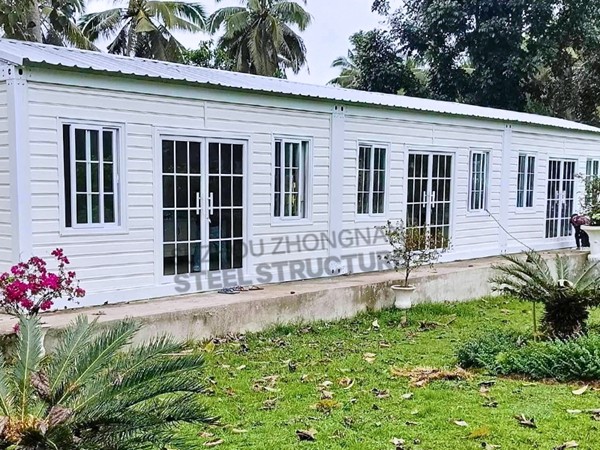
Earthquake-Resistant Container House: Key Seismic Features and Safety Guide
Introduction In earthquake-prone areas, building safety is one of the most important concerns for housing, offices,…
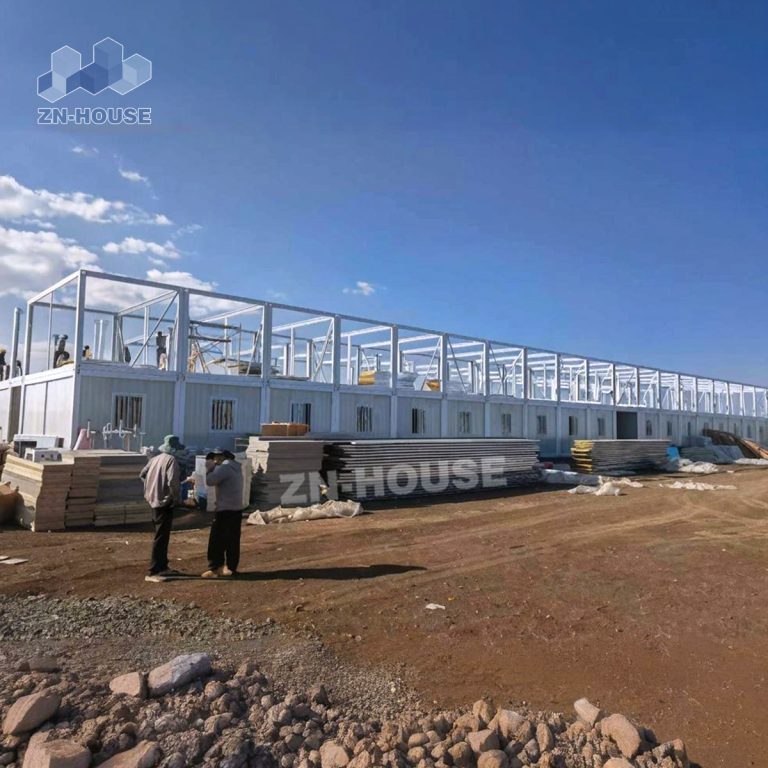
EPC Project Camp Construction — Practical Implementation of a Container-Based Approach
In outdoor Container Camps for EPC such as infrastructure, new energy, and mining, the efficiency and…
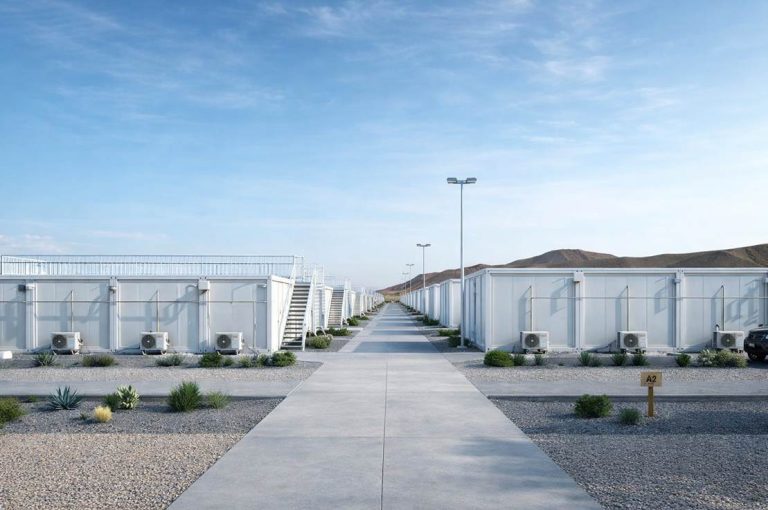
What Is a Container Camp? The Complete Guide to Modular Workforce Accommodation
All major construction sites share one relentless challenge: Where are workers supposed to sleep while they…
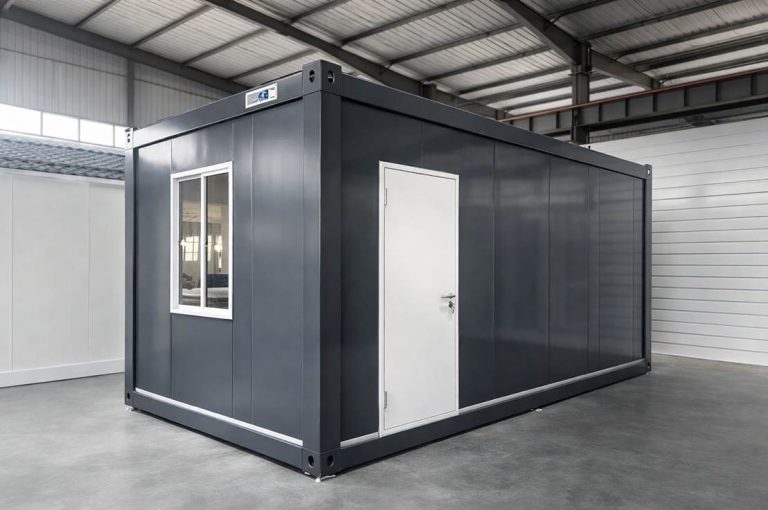
How Much Does a Flat Pack Container House Cost?
A standard 20ft flat pack container house price generally ranges from $1,850 to $2,150 per unit….
How to Choose the Right Container House for Your Project
Introduction Container house solutions are rapidly changing how we construct buildings on a global level, allowing…


