



Container House vs Prefab House: Which One Is Better in 2026?
Introduction
There was a recent increase in the use of modular construction within all types of building use by 2026. Developers and contractors seeking quick, affordable methods of construction are also expected to consider using modular construction. Modular building components are manufactured off-site and provide the same level of Quality as traditionally built from scratch; however, they will save you both time and cost when assembled on-site as compared with traditional building methods.
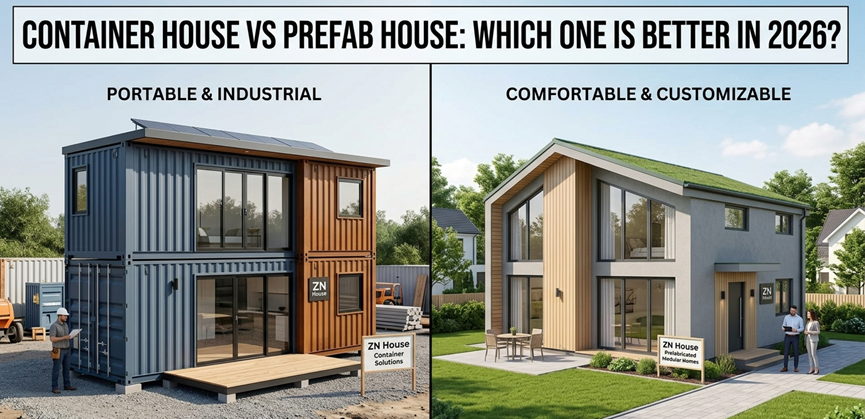
While there are several options available to buyers within the modular construction market, container houses and prefabricated houses are two of the most frequently discussed. Although each of these types of houses is manufactured using offsite methods, they are very different from one another in terms of structure, comfort, installation method, customization options and intended uses.
For this reason, when considering container houses vs. prefab houses, it is important for house buyers/investors who are constructing workforce housing/managing workforce housing/camping office space; constructing permanent residence/sharing tourism; or developing commercial property to be able to differentiate between container houses and prefabricated houses.
This guide will examine each system closely, discuss cost and performance differences, and make it easy for you to determine which alternative is best suited to meet your specific project requirements and provide you with a practical answer focused on ROI. The information in this guide is based upon ZN's extensive industry experience and design and manufacturing expertise and will assist you in making an informed decision.
What Is the Difference Between a Container House and a Prefab House?
Container houses and prefab houses differ in two main ways: type of structural system and intended use.
Container houses are made from steel modules in a shipping container style. These modules have been designed for transportation and rapid deployment.
Prefab houses, on the other hand, come from factory-made building systems that can provide a level of comfort, flexibility and longevity (number of years the house is to be used) that container houses cannot compete with.
Container houses use an all-steel frame type of structure (called ISH, or International Shipping Haus) with modular wall panels available in standardized sizes (20ft and 40ft units). Many providers manufacture these kinds of houses with the ability to be transported, stacked, relocated, and/or built very quickly. For this reason, many of these container houses are used for temporary and/or semi-permanent needs.
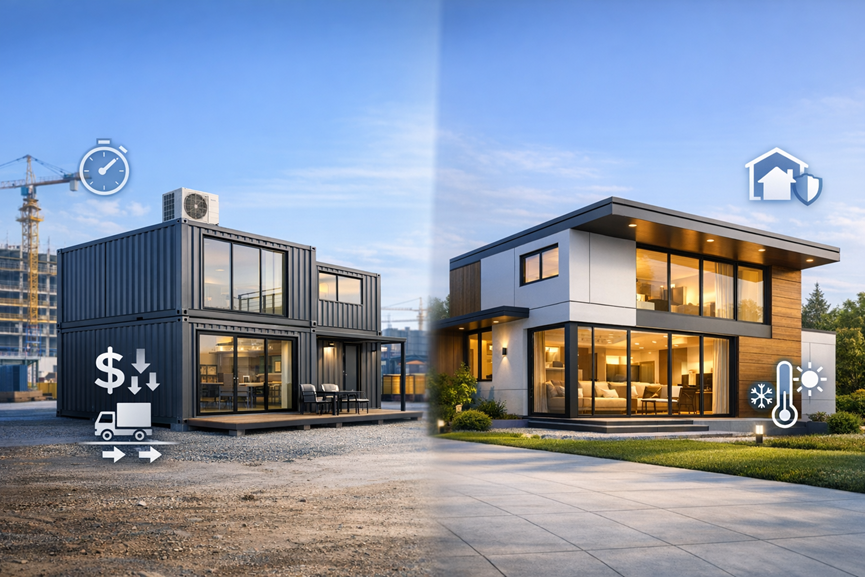
Prefab houses are a much larger category of factory-built houses and include K-type houses, T-type houses, modular houses and custom residential building systems. While overall, these systems offer greater energy efficiency, they also offer a greater number of choices regarding insulation, room design, architectural aesthetics, and long-term living characteristics.
In short:
Container House = Mobility + Fast Deployment + Standardized Modules
Prefab House = Comfort + Custom Options + Residential Performance
If quick deployment is your primary focus, container houses will probably be the best choice for you. If you are most focused on long-term usability, prefabricated building solutions will give you the best value.
What Is a Container House?
A container house is a structure made of a steel frame and factory-built walls, roofs, and floors which can be constructed off-site. While previously most commercially available container houses were created from repurposed steel shipping containers, many manufacturers, such as ZN House, are now creating custom-built container structures designed specifically for use as residences, offices, dorms, medical clinics, retail stores, etc.
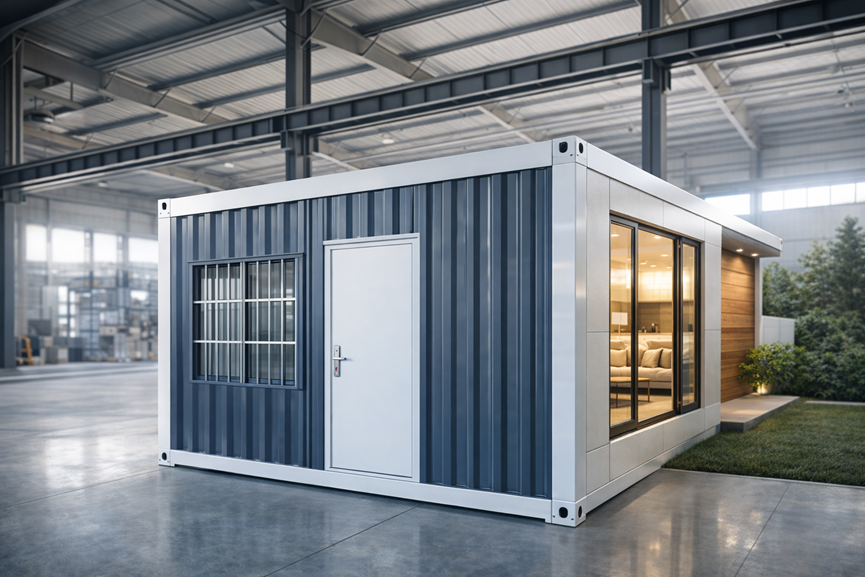
Common container house types include:
- Expandable container house
- Folding container house
- Flat pack container house
- Assemble container house
Key Features
Low Cost: Container houses are usually cheaper to buy than fully customized residential prefab systems, especially if you want a standard layout.
Portable / Movable: Many units can be moved, folded, packed flat, or shipped quickly between areas.
Eco-Friendly: Factory production cuts down on waste on the job site and lets materials and parts be used over and over again.
Important Considerations
Insulation Challenges: Depending on the climate, basic units may need better wall cores, like rock wool, EPS, PIR, or PU insulation.
Conversion or Fit-Out Costs: Adding electrical work, plumbing, HVAC, partitions, and high-end finishes can raise the total cost of the project.
ZN House container systems use insulated sandwich panels and galvanized or corrosion-resistant steel frames to make them last longer and work better in cold weather.
What Is a Prefab House?
A prefab house is a building constructed in multiple pieces or modules at a factory, then put together on-site at the finished product location. Compared to traditional construction methods, where many pieces of the structure are manufactured on-site after being cut, welded and/or fabricated out of wood or metal, a large percentage of these activities are performed in a controlled production environment for improved overall quality control.
ZN House manufactures entire lines of prefab products which include a variety of K-Type Prefab Houses and T-Type Prefab Houses used for residential and commercial purposes such as camps, offices, rec. (recreational) facilities, and long-term modular buildings.
Key Features
Standardized Production: Factory processes make things more consistent, cut down on delays, and keep weather-related problems to a minimum.
High Quality Control: Before shipping, the materials, sizes, and structural parts are all checked.
High Level of Customization: Depending on the needs of the project, the layouts, room sizes, façade style, roofing, insulation, and internal finishes can all be changed.
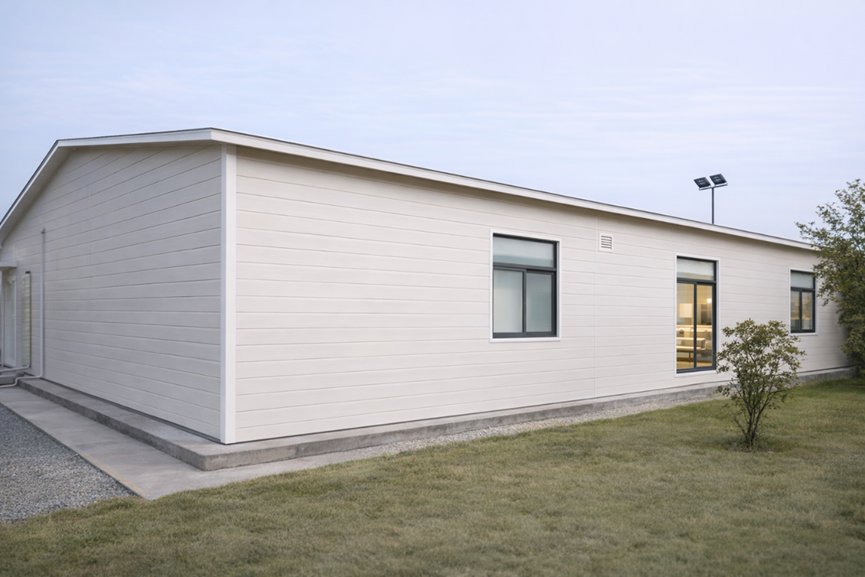
Best for Long-Term Habitation
Prefab houses generally provide a stronger alternative for anyone who wants to live in a permanent or semi-permanent house. They provide more proportionate rooms, superior insulation, more design flexibility and create more of a conventional residential look.
For those who are developing rental housing, staff accommodations, tourism lodges or community developments, often prefabricated houses will offer an improved experience for your users.
Container House vs. Prefab House – Key Comparison
| Feature | Container House | Prefab House |
| Structure | Container-style steel module | Factory-built wall/frame modules |
| Cost | Lower upfront | Moderate |
| Installation | Quick, but may need setup/modification | Fast and systematic |
| Customization | Moderate to limited | High |
| Durability | Good | Excellent |
| Insulation | Often needs an upgrade | Usually built-in |
| Use Case | Temporary/commercial / mobile | Residential/long-term / mixed-use |
Which Is More Cost-Effective: Container House or Prefab House?
The answer depends on whether you're looking at the initial cost of the purchase or the value over its entire life.
Container House Cost Advantage
Because of the way container houses are built (with standardized sizes, simple layouts and shipping methods such as foldable or flat pack systems), they tend to cost less initially than other types of houses. When construction is completed and container houses are installed as ‘temporary’ housing projects, they can provide an excellent return on investment.
There are some other costs associated with container houses:
- Foundation work
- Utility connection
- HVAC upgrades
- Interior fit-out
- Extra insulation
- Future relocation logistics
Prefab House Value Advantage
A prefab house's initial cost may be higher; however, it is likely to save time and money on upkeep, satisfaction of the occupants, and have a high resale or re-use value in the future for long-term projects.
Final Verdict
- Short-term project: Choose a container house
- Long-term project: Choose a prefab house
Which Is Better for Living: Container Houses or Prefab Houses?
Direct answer: For most residential living needs, prefab houses are better.
Why? Here are the reasons:
More Space Efficiency: Prefab houses can have any size or shape of room because they aren't limited by the size of the containers.
Better Insulation: Residential-grade prefab systems usually come with better thermal and sound insulation from the start.
Higher Comfort: Prefab houses usually feature better features than containers as far as ceiling heights, natural lighting, storage layout, and flow within the interior of the house.
While containers can certainly be used and are available for family living (especially with new expandable premium models), houses built and delivered as prefab houses also tend to provide a more comfortable and familiar living environment over the longer term.
Which Is Better for Temporary or Commercial Projects?
Container houses are usually the best choice for projects that are only temporary, can be moved, or need to be done quickly.
Best Scenarios for Container Houses
- Construction site offices
- Worker camps
- Emergency relief housing
- Mobile clinics
- Security booths
- Pop-up retail stores
- Temporary classrooms
Why They Perform Well
- Fast delivery
- Rapid installation
- Easy transport
- Scalable modular expansion
- Reusable across multiple projects
For contractors who have to meet tight deadlines, container systems often meet urgent space needs faster than other options.
Applications of Container Houses vs. Prefab Houses
Container houses are a growing trend in the residential housing sector. They have been used for everything from housing construction sites to emergency shelters, mobile offices and dormitories, cafes, and remote offices. ZN House categorizes its container systems as residential, disaster relief, temporary workspaces, and vacation-type applications. All of these uses demonstrate the advantages of quick assembly and modular transportation.
On the other hand, prefabricated houses work well for houses, resorts, offices and other longer-lasting types of structures. Since prefabricated systems are built in the factory from the start, they tend to be easier to build into larger, more refined places. When buyers are planning for a long-term development with a better user experience, prefabricated buildings tend to be a more extensive system.
Pros and Cons of Container Houses vs. Prefab Houses
Container Houses
Pros: Low cost to get in; very tough against physical damage; easy to move with regular logistics.
Cons: Not very good at keeping heat in; looks like an industrial "box"; needs professional welding to make changes.
Prefab Houses
Pros: A long lifespan (30–50 years), high comfort and insulation, and endless design options.
Cons: More expensive up front; needs a foundation and a small crew to put together; can't be moved once it's set up.
Which One Should You Choose?
The length of your project and how comfortable you want it to be will help you decide between a container house and a prefab house.
Choose a Container House if:
- You are managing a temporary project (under 5 years).
- Your budget is strictly limited for the initial phase.
- The building needs to be moved to multiple locations (e.g., container houses for construction sites).
Choose a Prefab House if:
- The building is for long-term residential or luxury commercial use.
- Internal climate control and energy efficiency are top priorities.
- You want a custom architectural look that doesn't look like a "shipping box."
Frequently Asked Questions (FAQs)
Is a container house cheaper than a prefab house?
Yes, generally a container house's raw unit cost is lower than a traditional house, but after accounting for high-quality insulation, plumbing and structural modifications needed to make them habitable, container houses may end up costing about as much as prefab houses.
Which is better: a container house or a prefab house?
The answer to this question really depends on your use case. Containers are also portable and durable, while prefabs provide long-term/Thermal comfort and aesthetics that will not change.
Container or prefab house: Which lasts longer?
Prefab houses have a longer life in residential settings (up to 50 years) than container houses due to their design for moisture management and use of materials that resist corrosion. Although container houses are durable, they must be maintained appropriately to prevent the steel skin from rusting.
Can prefab houses be moved?
Yes. Many prefab houses are made using modular construction methods, which allow them to be assembled and disassembled easily. However, they do not typically have the same level of plug-and-play capability as shipping containers. Therefore, moving a prefab house will usually involve more labour than moving an ISO shipping container.
Are container houses good for extreme weather?
Container houses offer superior wind-resistance performance, but they have inadequate thermal performance against extreme temperature changes unless the units are fitted with sandwich panel systems that have high-R-values or external facades.
Container or prefab house: Which is better for Airbnb?
Generally, Guests prefer the higher ceilings, nicer aesthetics, and more effective soundproofing of remodelled prefab modules than they do with Containerisation or other industrial-style buildings. So, overall, Pref abandons will appeal more to Guests than traditional building methods.
Conclusion
Whether to use a container house or a prefabricated house can be determined by elements of your project, your funds, and how quickly you need a solution. A container house, if utilized for a temporary, mobile or cost-effective purpose, typically is the better option; whereas a prefabricated house would be better suited for long-term residency and more comfort and customisation options. With ZN House's modular container systems being suited to the quick deployment of commercial uses and also being adaptable to the needs of the project, prefabricated-style housing solutions are better suited to investors looking for more permanent housing opportunities.
For builders/developers/distributors and buyers of projects, the best place to start is to first determine if there is compatibility between the intended use of the structure and the price before comparing prices alone. If your intended use is a quick onsite office, relief shelter or multi-purpose unit, typically a container house will provide the best solution. If your intended use is as a main house, vacation house/resort or long-term housing investment, generally a prefabricated house will provide the best solution. To determine which solution best fits your requirements, request a quote, contact ZN House, or receive a complimentary copy of our design plan.
Similar Posts
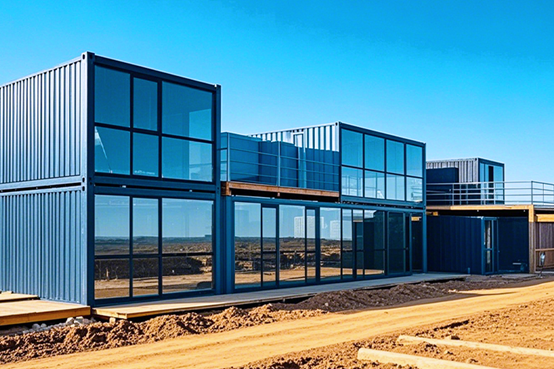
The Evolution of Prefab Steel Container Housing
Modern construction is evolving. For a long time, brick and mortar were the only options for...

Expandable Modular House For Seasonal Cabin Use
Since 2005, ZN House has pioneered innovative living solutions with our mission: Building Mobile Homes for the...
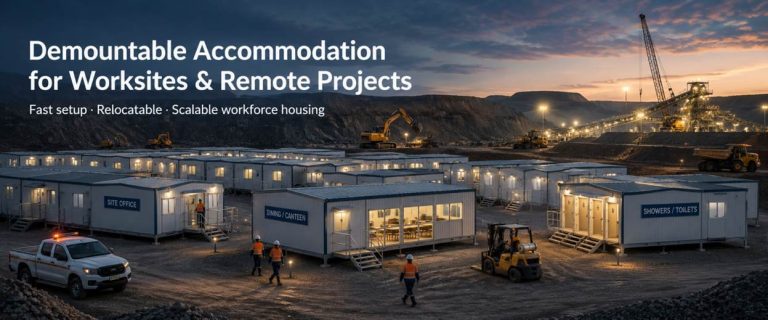
What Is Demountable Accommodation? A Guide for Worksites and Remote Projects
Remote and temporary projects often need worker housing before permanent facilities are available. Construction sites, mining...
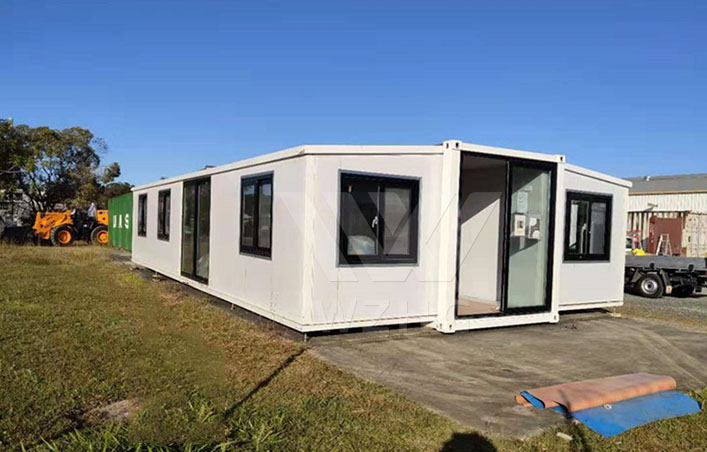
Flat Pack vs Foldable vs Expandable: Which Container Home Is Best?
Flat pack container houses are the most freight-efficient and cost-controlled for bulk projects; foldable container houses deploy...
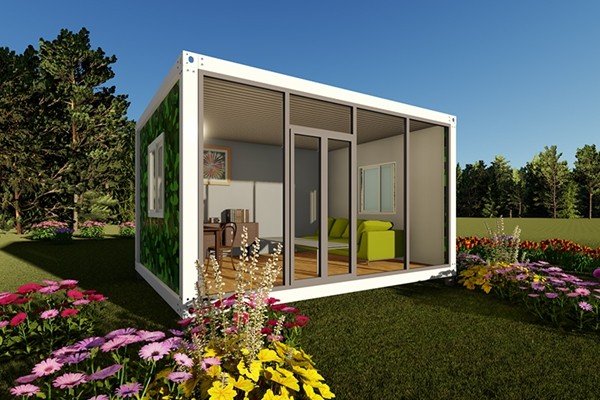
Folding Container House: A Portable, Affordable Living and Work Space Solution
As housing needs become more diverse and dynamic, the demand for innovative, cost-effective, and mobile living...

Folding container house for disaster relief and shelters
In a fast-paced world where adaptability and cost-efficiency are essential, folding container house, fold out shipping container homes,...


