



Efficiency of Flat Pack Modular Buildings in Site Organization
The rise of flat pack modular buildings has transformed how construction sites manage space, logistics, and timelines. Unlike traditional structures, these prefabricated units arrive in compact, ready-to-assemble kits, drastically reducing on-site clutter and streamlining workflows. By minimizing the need for heavy machinery and large storage areas, flat pack container house solutions free up valuable space for essential equipment and materials. This organizational efficiency is particularly critical in urban construction zones, where land scarcity demands innovative approaches to site management.
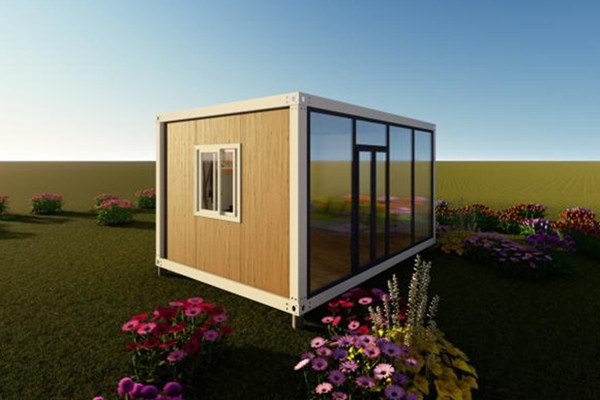
Flat pack homes also simplify inventory control. Each component is labeled and pre-engineered to fit seamlessly into the final structure, eliminating guesswork and reducing material waste. Site managers can allocate resources more effectively, focusing on workforce coordination rather than troubleshooting design mismatches. The modular nature of flat pack modular buildings further allows for phased construction, enabling teams to prioritize critical areas like temporary offices or worker accommodations without disrupting the entire project timeline.
Moreover, the portability of flat pack container house units supports dynamic site layouts. As projects evolve, these structures can be disassembled and relocated with minimal effort, adapting to changing needs without costly delays. This flexibility ensures that construction sites remain agile, fostering a safer and more productive environment for workers.
Enhancing Workforce Welfare with Flat Pack Homes
Worker welfare is a cornerstone of modern construction ethics, and flat pack homes are redefining standards for on-site living conditions. Traditional temporary shelters often lack insulation, ventilation, or privacy, contributing to low morale and high turnover. In contrast, flat pack container house units are designed with occupant comfort in mind, offering insulated walls, climate control options, and modular layouts that can include sleeping quarters, kitchens, and sanitation facilities.
The speed of deploying flat pack modular buildings also plays a pivotal role in improving workforce welfare. Instead of enduring weeks in makeshift tents, crews can move into fully functional accommodations within days. This rapid setup reduces exposure to harsh weather and enhances overall job satisfaction. Additionally, the durability of flat pack building materials ensures that these structures withstand challenging environments, providing a reliable refuge throughout the project lifecycle.
Beyond physical comfort, flat pack homes foster community and mental well-being. Configurable designs allow for shared recreational spaces or quiet zones, catering to diverse needs. By prioritizing humane living conditions, companies using flat pack container house solutions not only comply with labor regulations but also build trust and loyalty among their teams.
Sustainability and Cost-Effectiveness of Flat Pack Building Solutions
The construction industry faces mounting pressure to adopt eco-friendly practices, and flat pack building systems offer a compelling answer. These structures are typically fabricated off-site using precision machinery, which reduces material waste and energy consumption compared to traditional on-site construction. The reusable nature of flat pack modular buildings further extends their lifecycle; once a project concludes, units can be refurbished and repurposed for new sites, aligning with circular economy principles.
Flat pack homes also minimize environmental disruption during installation. Their lightweight components require fewer transportation trips, lowering carbon emissions, and their non-invasive assembly process preserves surrounding ecosystems. For companies aiming to meet sustainability targets, flat pack container house options provide a tangible way to demonstrate environmental responsibility without compromising functionality.
From a financial perspective, flat pack building solutions reduce both upfront and long-term costs. Prefabrication shortens construction timelines, cutting labor expenses, while standardized designs eliminate costly custom engineering. The durability of materials like steel and treated wood ensures low maintenance, translating to savings over time. For budget-conscious projects, flat pack modular buildings deliver high value without sacrificing quality or aesthetics.
Scalability and Customization in Flat Pack Container House Projects
One of the most transformative aspects of flat pack container house systems is their scalability. Whether a project requires a single-site office or a multi-unit camp, these modular designs can expand or contract to meet demand. This adaptability is invaluable for large-scale infrastructure projects, where workforce numbers fluctuate, or for remote sites needing phased development.
Customization is another strength of flat pack modular buildings. Clients can choose layouts tailored to specific needs—for example, adding medical bays for safety compliance or soundproofed rooms for equipment storage. The exterior aesthetics of flat pack homes are equally flexible, with options for cladding, colors, and window placements that blend with local environments or corporate branding.
This versatility extends to hybrid applications. Flat pack building units can integrate solar panels, rainwater harvesting systems, or green roofs, enhancing functionality while supporting sustainability goals. By offering bespoke solutions, providers of flat pack container house systems empower clients to address unique challenges without reinventing the wheel.
FAQs: Flat Pack Container Homes in Construction
Are flat pack homes durable enough for long-term use?
Yes! Flat pack modular buildings are engineered with high-quality materials designed to withstand years of use, even in demanding environments.
Can flat pack container houses be relocated after assembly?
Absolutely. These structures are designed for easy disassembly and transport, making them ideal for projects with shifting site requirements.
How long does it take to install a flat pack building?
Installation times vary, but most flat pack homes can be assembled by a small team within a few days, depending on the complexity.
Do flat pack modular buildings require special foundations?
Many flat pack building systems are designed to work with simple foundations like concrete pads or gravel beds, reducing site preparation costs.
Can I customize the interior of a flat pack container house?
Yes. Interior layouts can be tailored to include partitions, electrical setups, and plumbing configurations to suit specific needs.
Ready to revolutionize your project’s efficiency and worker well-being? Explore our range of flat pack container house and flat pack modular buildings at our website. Designed for durability, sustainability, and rapid deployment, our products are the smart choice for forward-thinking construction managers. Contact us today to discuss your needs and discover how our flat pack homes can elevate your site management strategy!
Similar Posts
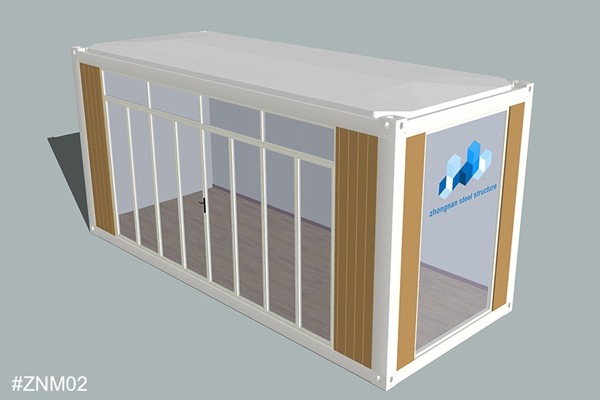
Quick Assembly Homes in Modern Construction
The concept of quick assembly homes has revolutionized the construction industry by transforming standard shipping containers into…
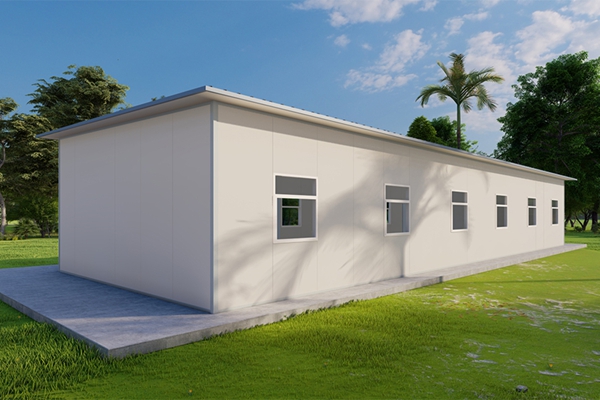
Luxury Prebuilt Container Homes For Sale Unique Designs
Suzhou Zhongnan Steel Structure Co., Ltd. (known as ZN House) was founded in 2005 in Suzhou,…

Revolutionary Assemble House Living
The housing world is buzzing with excitement about innovative how to build container house projects that are changing…

Discover the Future of Living with Modular Container Houses
In today’s world, sustainable and cost-effective housing solutions are more important than ever. If you’re looking…

Container house builders following international building codes
Container house builders following international building codes play a pivotal role in globalizing sustainable housing, as…
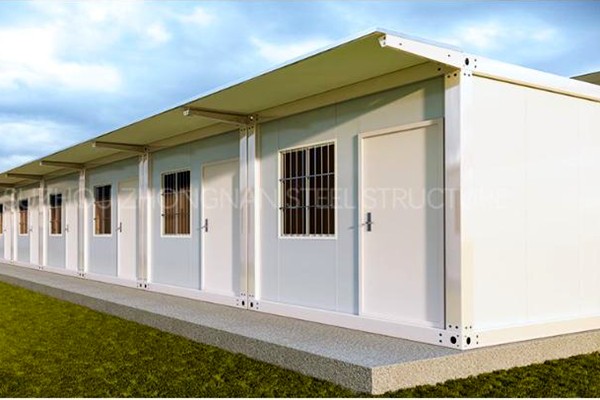
Assemble container house is modular
The global construction industry is witnessing a paradigm shift, moving away from lengthy, labor-intensive traditional methods…


