



Flat Pack Building Assembly Guide
Embarking on the assembly of a flat pack building can be an exciting yet challenging endeavor. Whether you’re constructing a cozy flat pack container house or a more expansive flat pack modular building, a well – structured approach is key to a successful outcome.
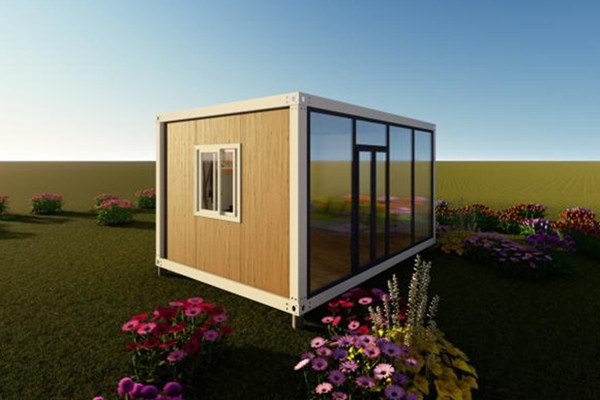
Pre – Assembly Preparation for Flat Pack Building
Before diving into the assembly of your flat pack building, thorough preparation is crucial. First, carefully review the assembly instructions provided by the manufacturer. These instructions are your roadmap and contain vital information specific to your flat pack container house or flat pack modular building. Next, inspect all the components and parts that came with your flat pack. Check for any signs of damage during transit, such as dented panels or missing hardware. Gather all the necessary tools, which typically include wrenches, screwdrivers, levels, and safety gear like gloves and goggles. Additionally, ensure that the assembly site is clean, level, and has enough space to maneuver the parts comfortably. A little time spent on preparation at this stage will save you from headaches and delays later on.
Foundation Setup for Flat Pack Modular Buildings
A solid foundation is the cornerstone of a stable flat pack modular building. The type of foundation required depends on the size and weight of your building, as well as the local soil conditions. For smaller flat pack container houses, a simple concrete pad or a gravel base may suffice. Start by marking the outline of the foundation according to the building’s dimensions. Excavate the area to the required depth and level the ground. If you’re using a concrete pad, pour the concrete and use a screed to ensure a smooth, level surface. For more complex flat pack modular buildings, a poured – in – place concrete foundation or a series of concrete piers might be necessary. Consult with a professional if you’re unsure about the best foundation option for your building to guarantee its long – term stability.
Step – by – Step Assembly of Flat Pack Container House
Once the foundation is ready, it’s time to start assembling your flat pack container house. Begin by laying out the base components according to the instructions. These usually form the floor structure. Secure the floor panels together using the provided fasteners, making sure to tighten them evenly to avoid any wobbling. Next, assemble the wall panels. Fit them into place, aligning the pre – drilled holes precisely. Use bolts or screws to attach the walls to the floor and to each other. As you build up the walls, check for plumb and level at every stage to ensure the structure is straight. Once the walls are up, install the roof panels. Connect them securely to the top of the walls, paying attention to proper sealing to prevent leaks. With the main structure in place, you can then proceed to install doors, windows, and any additional fixtures.
Ensuring Structural Integrity in Flat Pack Building
Throughout the assembly of your flat pack building, maintaining structural integrity is of utmost importance. Double – check all connections to ensure that bolts are tightened fully and that panels are properly aligned. In flat pack modular buildings, where multiple modules are joined together, use the recommended connectors and follow the assembly sequence precisely. Reinforce corners and joints with additional brackets or braces if specified in the instructions. For flat pack container houses, check that the container – like structure maintains its rectangular shape, as any misalignment can compromise the building’s strength. Regularly step back and assess the overall structure as you assemble to catch and correct any potential issues early.
Flat Pack Building FAQS
Do I Need Professional Help to Assemble a Flat Pack Modular Building?
While it’s possible for DIY enthusiasts with some construction experience to assemble a flat pack modular building, it can be a complex task, especially for larger or more intricate structures. For those without extensive building knowledge, hiring professionals is advisable. They have the expertise to ensure proper assembly, handle any unexpected issues, and guarantee that the building meets all safety and structural requirements. However, if you choose to do it yourself, carefully follow the instructions and don’t hesitate to seek advice or watch online tutorials for guidance.
How Long Does It Take to Assemble a Flat Pack Container House?
The assembly time for a flat pack container house depends on several factors, such as its size, complexity, and your level of experience. A small, single – module flat pack container house can typically be assembled in a few days to a week by a small team. Larger or more customized models may take two weeks or more. Additionally, weather conditions and any unforeseen challenges during assembly can also impact the timeline. It’s best to plan for a buffer period in case of any delays.
Can I Make Changes to the Design Flat Pack Building During Assembly?
Making significant changes to the design of your flat pack building during assembly is not recommended, as the components are pre – fabricated to fit a specific plan. However, minor adjustments, such as adding an extra shelf or changing the position of a small fixture, might be possible. If you want to make major design changes, it’s crucial to consult with the manufacturer before starting the assembly. They can advise you on whether the changes are feasible and what modifications may be required to maintain the building’s structural integrity.
What Tools Do I Absolutely Need for Flat Pack Building Assembly?
Essential tools for flat pack building assembly include a set of wrenches (both open – ended and socket), various screwdrivers (Phillips and flat – head), a level to ensure components are straight, a tape measure for accurate positioning, and a hammer. You’ll also need safety gear like work gloves and safety glasses. For flat pack modular buildings or flat pack container houses that require more heavy – duty work, power tools such as a drill, impact driver, and reciprocating saw may be necessary. Refer to the assembly instructions for a detailed list of required tools specific to your building.
How Do I Maintain My Flat Pack Building After Assembly?
Maintaining your flat pack building is relatively straightforward. Regularly inspect the exterior for any signs of damage, such as cracks in the paint or loose panels, and repair them promptly. Clean the windows, gutters, and other exterior components regularly to keep them in good condition. For flat pack container houses and flat pack modular buildings with metal components, check for rust and apply rust – inhibiting paint if needed. Inside the building, maintain the plumbing, electrical, and heating systems as you would in any other home. With proper maintenance, your flat pack building will serve you well for many years.
Similar Posts
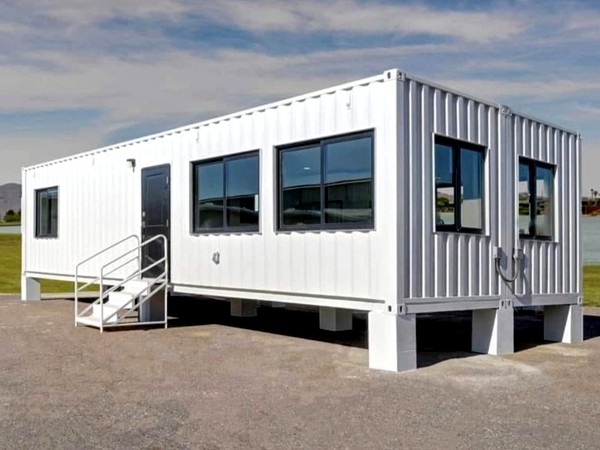
Innovative Shipping Container Apartments for Modern Living
Looking for practical and modern ways to create extra living or working space? Shipping container apartments are…
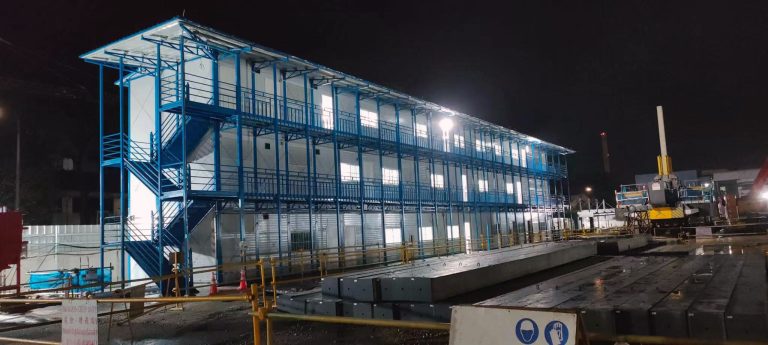
Container House China Options
A container house china offers practical, cost-effective, and versatile housing solutions. These homes are built using high-quality…
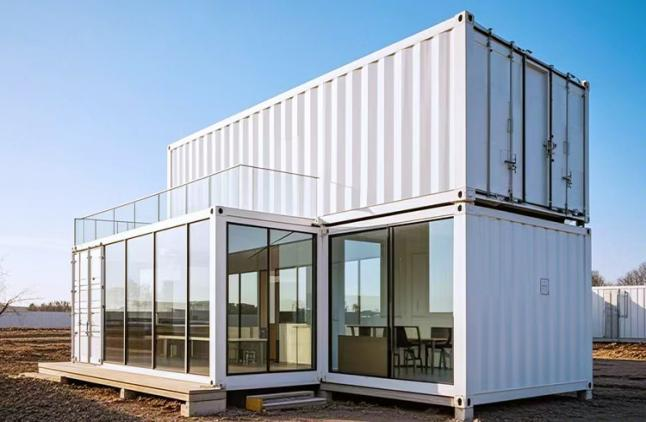
Global Services of Chinese Container House Builders
The global landscape of architecture and housing is undergoing a transformative shift. In an era demanding…

Foldable Container Homes: The Future of Compact Living
As the demand for sustainable, affordable, and flexible housing solutions grows, fold out container houses have emerged…
Minimalist Living in Flat Pack Tiny Houses
Minimalist Living in Flat Pack Tiny Houses has redefined intentional, low-carbon housing by merging the efficiency…

Easy assemble house kits for beginners
Easy assemble house kits for beginners have revolutionized accessible housing by eliminating barriers like heavy machinery…


