



Modular Container Houses: Smart, Scalable Solutions for Modern Living
As cities grow denser and housing needs evolve, more people are turning to unconventional yet highly efficient alternatives to traditional homes. One of the most exciting trends in this space is the modular container house — a housing concept that brings together cost-efficiency, sustainability, and sleek modern design. Whether you’re an eco-conscious homeowner, a property developer, or a government agency looking for fast deployment housing, exploring a modular container house for sale could be your next step toward affordable, intelligent living.
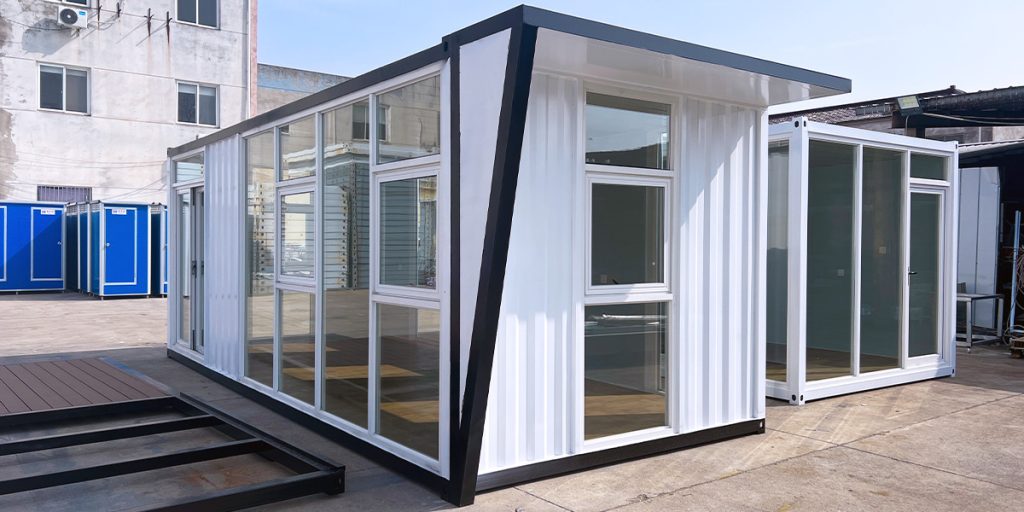
What Is a Modular Container House?
A modular container house is a prefabricated building structure made from shipping containers or steel modules that can be combined to form larger, customized spaces. Each module functions as a standalone unit but can be linked with others to create multi-room homes, offices, clinics, classrooms, or dormitories.
These houses are manufactured off-site and assembled on location, saving time and reducing construction waste. With smart modular container house design, these units can be arranged horizontally or vertically, allowing for highly flexible layouts.
Why Choose a Modular Container House?
1. Speed of Construction
Unlike traditional housing projects that take months or years, a modular container house can be completed in weeks. Since most construction is done in a factory, you avoid delays caused by weather or site logistics.
2. Affordability
One of the most attractive features is the modular container house price. These homes are generally more cost-effective than brick-and-mortar alternatives, with prices starting as low as $10,000 for a basic unit.
3. Scalability
Whether you start with a single module or a small unit, you can always expand your structure as your needs grow. Simply add more modules to extend your living space, create new rooms, or even build multiple stories.
4. Eco-Friendly Construction
Modular houses significantly reduce construction waste and environmental impact. Many models also feature energy-efficient windows, solar panel options, and recyclable materials.
5. Stylish Design Options
Thanks to advances in modular container house design, these homes are no longer just boxes with doors. They now include stylish interiors, modern facades, wood finishes, rooftop decks, and smart home integrations.
Modular Container House for Sale: What to Look For
If you’re browsing the market for a modular container house for sale, consider these key aspects:
Build Quality: Ensure the frame is made from weather-resistant steel and that all joints, panels, and finishes meet industry standards.
Insulation: For year-round comfort, look for walls with insulation that suits your local climate.
Floor Plan Options: Whether you’re buying a studio or a three-bedroom unit, check if the layout matches your living or commercial needs.
Compliance: Verify that the house meets local building codes and zoning regulations.
Add-Ons and Customizations: Some suppliers offer kitchens, bathrooms, solar systems, and HVAC as part of the package.
Understanding Modular Container House Price Ranges
The modular container house price varies depending on size, design, materials, and finish levels. Here’s a rough guide:
| Type | Size | Features | Approximate Price |
| Basic Unit | 20 ft | Frame, windows, basic insulation | $10,000 – $15,000 |
| Mid-Range | 20–40 ft | Full insulation, electric system, interior walls | $16,000 – $30,000 |
| Premium/Custom | 40 ft+ | Kitchen, bathroom, décor, HVAC | $35,000 – $70,000+ |
Tip: While low-cost units may seem appealing, investing slightly more for a better-insulated, fully fitted home pays off in the long run.
Key Elements of Modular Container House Design
Smart modular container house design is about making the most out of limited space without sacrificing comfort or aesthetics. Consider the following design features:
Open-Plan Layouts: Create spaciousness using fewer walls.
Loft Beds and Storage: Optimize vertical space.
Natural Lighting: Large windows and glass doors can improve ambiance and energy efficiency.
Outdoor Extensions: Add patios, balconies, or rooftop gardens.
Minimalist Aesthetic: Sleek finishes, neutral colors, and clean lines create a modern feel.
Some manufacturers also offer bespoke design services, allowing you to work with architects to customize every detail.
Popular Uses for Modular Container Houses
The versatility of container-based modular homes makes them perfect for a wide range of applications:
Primary Residence: A cost-effective alternative to traditional housing.
Vacation Rentals: Ideal for Airbnb or eco-resorts.
Offices and Studios: Work-from-home setups, art studios, or mobile clinics.
Temporary Housing: For disaster relief or seasonal workers.
Student Dorms or Worker Housing: Affordable and quick to deploy.
How to Buy a Modular Container House
Step 1: Define Your Needs
Do you need a temporary or permanent home? Will it be off-grid? Do you require one module or several?
Step 2: Choose a Supplier
Select a reputable manufacturer with experience in modular container house design and local code compliance. Request references or visit a demo house if possible.
Step 3: Plan the Site
Prepare a level site with utility hookups, or plan for solar power and septic systems for remote areas.
Step 4: Order and Delivery
After finalizing the design and price, the unit is shipped to your site—often folded or in sections—ready for assembly.
Step 5: Assembly and Inspection
Some suppliers offer on-site setup or can connect you with contractors. Ensure everything is properly inspected before move-in.
Modular Container Houses FAQs
Q1: How long does a modular container house last?
A: With proper care, these homes can last 25–40 years or more, especially if built with corrosion-resistant steel.
Q2: Can I move a modular container house later?
A: Yes, most models are mobile and can be relocated, though professional handling is recommended for multi-module homes.
Q3: Do these homes require foundations?
A: They usually sit on concrete piers, steel beams, or slabs—easy and inexpensive compared to full basements.
Q4: Are they legal in all areas?
A: Zoning rules vary. Always check with your local building authority before installation.
Q5: Can I finance a modular container home?
A: Some banks and lenders now offer financing options for prefab and modular homes. Terms vary by region.
Similar Posts
Benefits of Buying Prefab Houses for Sale
In the contemporary housing market, the allure of prefab houses for sale is undeniable, presenting a host of…

Affordable Prefab Homes – Your Smart Housing Solution
Modern living demands innovative solutions, and our manufactured homes for sale deliver exactly that. Combining steel frame durability…

Efficient Homes for Modern Living
Looking for a fast, affordable, and flexible housing solution? If so, quick to assemble homes may be…
Modular Container Homes: The Future of Flexible Living
Modular Container House Prefab Tiny Home House: Compact Living with Big Possibilities Discover the perfect blend…
Flat Pack Home Revolution
The housing industry is buzzing with excitement about flat pack homes that are transforming how we think about…
Flat Pack Container House: Affordable, Portable, and Modern Living Solutions
As modern housing demands grow more complex, people are turning to flexible, cost-effective alternatives to traditional…


