



Prefab, Manufactured & Pre-Fabricated Homes: Design Manufacturing Insights
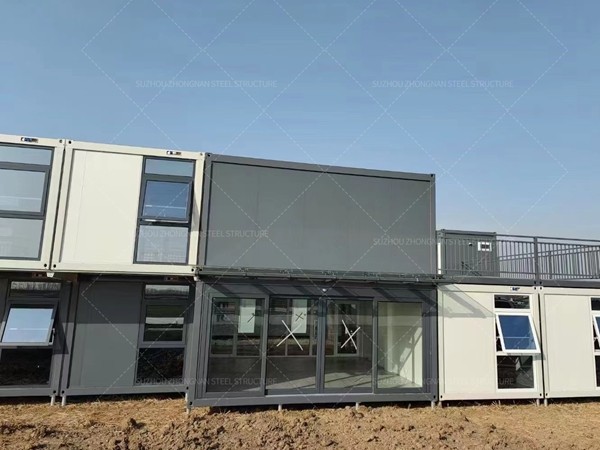
The global construction industry is undergoing a radical transformation with the rising demand for efficient, sustainable, and cost-effective building solutions. Prefab houses, manufactured homes, prefab homes, and pre fabricated homes have emerged as game-changing alternatives to traditional construction methods. These innovative structures combine factory precision with on-site flexibility, offering unparalleled advantages in speed, quality control, and environmental sustainability.
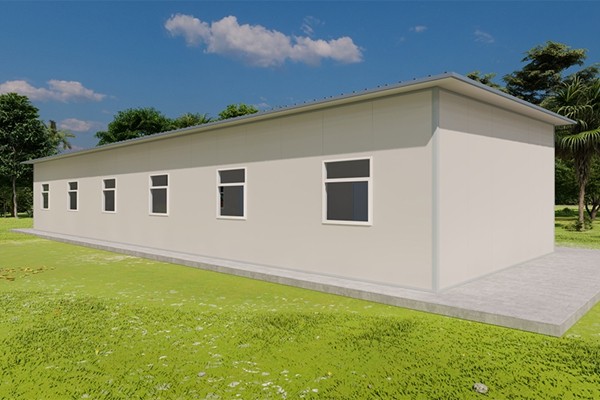
Core Advantages of Prefab Houses
· Superior Quality Control: Manufacturing manufactured homes in controlled factory environments ensures consistent quality and precision that’s difficult to achieve with on-site construction.
· Cost Efficiency: Prefab homes significantly reduce labor costs and material waste through optimized production processes and bulk material purchasing.
· Design Flexibility: Pre fabricated homes offer modular designs that can be easily customized or expanded to meet evolving needs.
· Environmental Sustainability: Factory production minimizes construction waste, while advanced insulation materials in sandwich panels improve energy efficiency.
Structural Composition of Prefab Houses
The main frame of a prefabricated house is a steel structure, renowned for its durability and resistance to environmental factors. Walls and roofs utilize sandwich panels with filling materials that can be rock wool or EPS, providing excellent thermal and acoustic insulation. This structural design offers numerous benefits:
· Lightweight yet durable construction that’s easy to transport and assemble
· Corrosion-resistant materials ensuring long-term structural integrity
· Modular components that allow for easy expansion or reconfiguration
· Fire-retardant options available for enhanced safety
The structure is connected by bolts and the walls are fixed with rivets, creating a sturdy yet flexible assembly system. When loading steel structure parts and panels, the lightweight nature makes packing and transportation remarkably efficient.
Diverse Applications of Prefab Houses
The versatility of these structures makes them ideal for numerous applications across various sectors:
· Temporary Construction Facilities: Site offices, worker dormitories, and equipment storage units for large-scale projects
· Emergency Housing Solutions: Rapid-deployment shelters for disaster relief operations and temporary medical facilities
· Permanent Residential Use: Affordable housing solutions that combine quality with cost-effectiveness
· Commercial Spaces: Retail outlets, canteens, and office complexes with quick turnaround times
· Institutional Buildings: Schools, clinics, and community centers in remote or underserved areas
Prefab houses, also known as prefabricated homes, are particularly popular in the construction industry as economical and environmentally friendly temporary building solutions that can be quickly deployed and later repurposed.
Design & Customization Options for Prefab House
Modern manufactured homes offer extensive customization possibilities to meet specific project requirements:
· Architectural Styles: From contemporary minimalist designs to traditional aesthetic elements
· Layout Configurations: Flexible floor plans that can accommodate various spatial needs
· Material Selection: Options for different exterior finishes and interior treatments
· System Integrations: Pre-installed electrical, plumbing, and HVAC systems
· Smart Home Compatibility: Infrastructure ready for modern automation systems
Components such as walls, floors, and roof panels can be customized according to the client’s needs and usage conditions, making prefab homes adaptable to virtually any application.
Installation Process for Prefab House
The streamlined installation process is a key advantage of pre fabricated homes:
Site Preparation: Ground leveling and foundation work completed while units are being manufactured
Foundation Installation: Options include concrete slabs, piers, or basement foundations
Structural Assembly: Steel frame erection using bolted connections for precision and stability
Enclosure Installation: Wall and roof panel attachment with rivets for secure fastening
Systems Integration: Electrical, plumbing, and mechanical system connections
Finishing Touches: Interior finishes and exterior detailing
This efficient process enables prefab houses to be installed in significantly less time and at lower cost compared to traditional construction methods.
FAQS About Design & Manufacturing of Prefab Houses
1. What makes the structural design of prefab houses, manufactured homes, prefab homes & pre fabricated homes so durable?
The combination of steel frames and sandwich panel construction creates structures that are both lightweight and exceptionally strong, capable of withstanding various environmental conditions while maintaining structural integrity.
2. How customizable are prefab houses, manufactured homes, prefab homes & pre fabricated homes for different climate conditions?
These structures can be tailored with specific insulation materials, ventilation systems, and weather-resistant exteriors to perform optimally in diverse climates, from extreme cold to tropical environments.
3. What quality control measures are implemented during manufacturing of prefab houses, manufactured homes, prefab homes & pre fabricated homes?
Factory production allows for rigorous quality checks at every stage, from material selection to final assembly, ensuring consistent quality that meets or exceeds building standards.
4. How do prefab houses, manufactured homes, prefab homes & pre fabricated homes contribute to sustainable construction practices?
The precision manufacturing process minimizes material waste, while the energy-efficient designs and potential for reuse/recycling make these structures an environmentally responsible choice.
5. What are the long-term maintenance requirements for prefab houses, manufactured homes, prefab homes & pre fabricated homes?
These structures require similar maintenance to traditional buildings, with the added advantage that individual components can be easily accessed and replaced if needed, extending the building’s lifespan.
The evolution of prefab houses, manufactured homes, prefab homes, and pre fabricated homes represents a significant leap forward in construction technology. By combining manufacturing efficiency with architectural flexibility, these solutions address the growing need for affordable, sustainable, and quickly deployable building options across multiple sectors. As design and manufacturing techniques continue to advance, these innovative structures are poised to play an increasingly vital role in shaping the future of the built environment.
Similar Posts

Innovative Converted Shipping Containers Redefining Modern Architecture
Suzhou Zhongnan Steel Structure Co Ltd has been at the forefront of designing and supplying high-quality Converted…
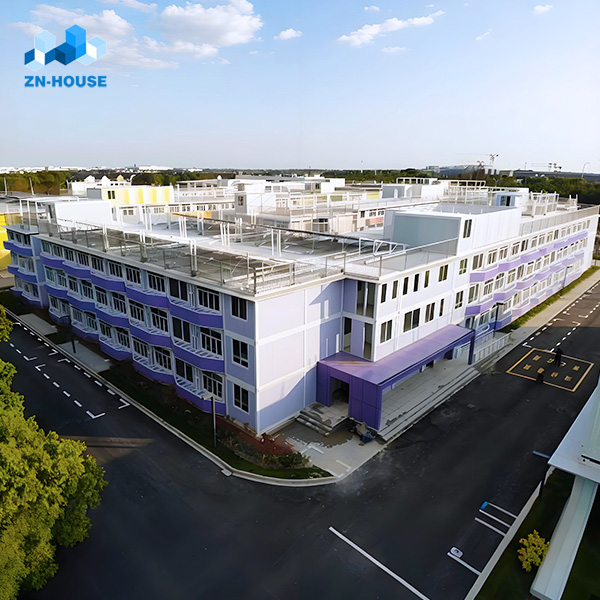
Pet-friendly Flat Pack Mobile Home Features
In today’s fast-paced world, the dream of flexible, sustainable living harmonizes perfectly with our love for…
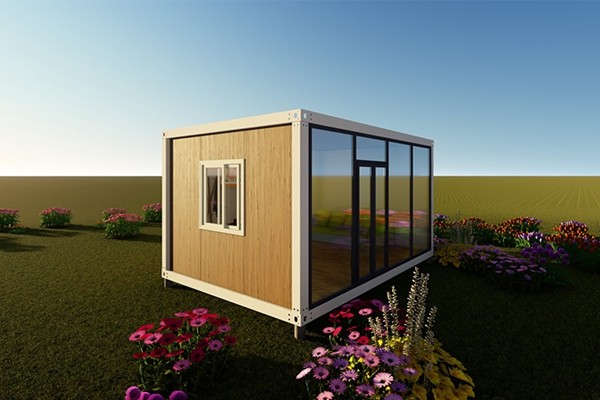
Flat Pack Homes for Sale Size Options
In the evolving landscape of modern housing, flat pack homes for sale have emerged as a versatile and…
Flat Pack Prefab Homes for Global Needs
In the global supply chain of prefabricated building products, wholesalers need a reliable partner that delivers…
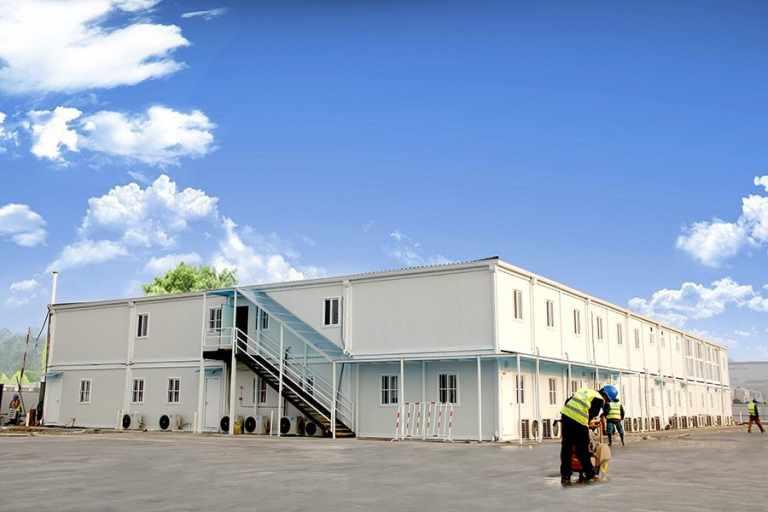
Flat pack container houses for sale
In today’s fast-paced world, the demand for efficient, cost-effective, and sustainable building solutions is skyrocketing. Whether…
Modular Shipping Container House Snow Load Capacity
Modular Shipping Container House Snow Load Capacity is a critical safety and durability factor for modular…


