



What Is Demountable Accommodation? A Guide for Worksites and Remote Projects
Remote and temporary projects often need worker housing before permanent facilities are available. Construction sites, mining camps, oil and gas projects, infrastructure works, energy projects, and seasonal operations all require fast, flexible, and reusable accommodation for workers, supervisors, and site teams.
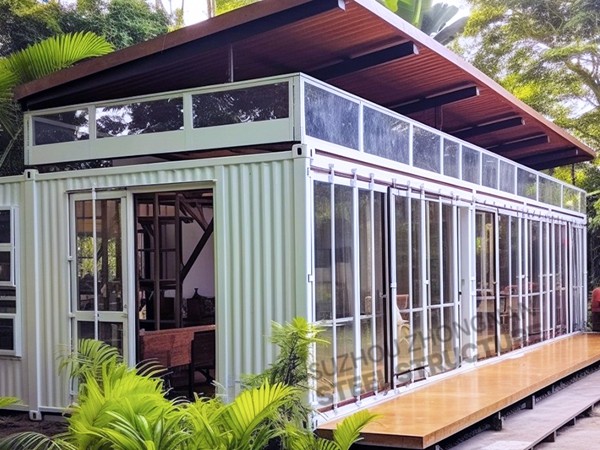
Demountable accommodation provides a practical solution. It refers to prefabricated modular accommodation units that can be manufactured in a factory, delivered to site, assembled quickly, and later dismantled, relocated, and reused for another project.
Unlike permanent buildings, demountable accommodation is designed around project-based needs: fast deployment, flexible layouts, transport efficiency, scalable workforce capacity, and repeated relocation.
Quick Answer
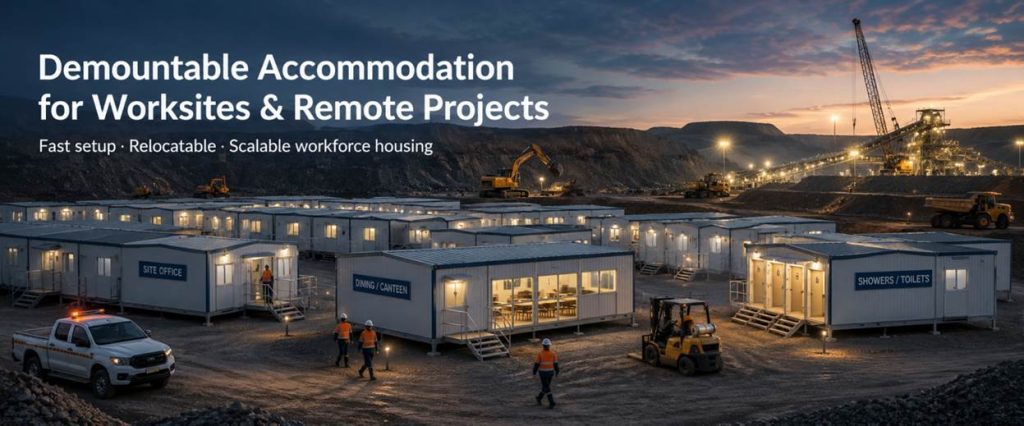
Demountable accommodation is a prefabricated modular housing solution designed for worksites, construction camps, mining projects, oil and gas sites, infrastructure works, and other remote projects. It can be used as worker dormitories, supervisor rooms, ensuite units, toilet blocks, kitchens, dining halls, offices, and complete camp accommodation. Its main advantage is that it can be assembled, dismantled, transported, and reused across different project locations.
Demountable Accommodation at a Glance
| Question | Quick Answer |
| What is demountable accommodation? | Prefabricated modular housing that can be assembled, dismantled, relocated, and reused. |
| Who uses it? | Contractors, mining companies, energy projects, infrastructure projects, and remote workforce camps. |
| Common uses | Worker dormitories, supervisor rooms, toilets, showers, kitchens, dining halls, offices, and full camps. |
| Main benefits | Fast installation, flexible capacity, easy relocation, reduced site work, and long-term reuse. |
| Suitable product types | Flat pack container houses, folding container houses, and combined modular camp layouts. |
What Is Demountable Accommodation?
Demountable accommodation(内链:https://znsshouse.com/products/easy-assemble-house/) refers to factory-built modular housing units that can be delivered to a project site, assembled for use, dismantled after the project, and moved to another location.
The word “demountable” means the building is not designed as a fixed, permanent structure only. Instead, the frame, wall panels, roof, floor, connections, and supporting systems are planned so that the unit can be taken apart, transported, and reassembled when needed.
A demountable accommodation unit may be used as a single room, shared dormitory, ensuite room, toilet block, kitchen, dining area, site office, or part of a complete accommodation camp.
Compared with traditional site-built housing, demountable accommodation is more suitable for projects where the location, workforce size, and project duration may change over time.
Why Worksites and Remote Projects Need Demountable Accommodation
Project Locations Are Often Temporary
Construction sites, mining projects, energy facilities, and infrastructure works are usually active for a limited period. Once the project is completed, permanent housing may no longer be needed.
Demountable accommodation allows project teams to use the same units across different sites instead of building and demolishing temporary facilities for every project.
Remote Sites Need Fast Housing Solutions
Remote projects often have limited local housing, limited labor availability, and difficult transport conditions. Before work can begin, teams may need sleeping rooms, toilets, showers, dining areas, offices, and storage facilities.
Prefabricated demountable accommodation can shorten the time needed to set up a complete living and working area on site.
Workforce Size Can Change
Project manpower usually changes across different stages, such as mobilization, peak construction, operation, and demobilization.
Demountable accommodation can be expanded when headcount increases and reduced when the project winds down. This makes it more flexible than fixed buildings.
Traditional Construction May Not Be Practical
Building permanent housing in remote or temporary locations can involve high labor cost, long construction time, material transport challenges, weather delays, and future demolition work.
Because demountable accommodation is largely prefabricated off-site, it can reduce on-site construction work and make project setup more predictable.
Common Applications of Demountable Accommodation
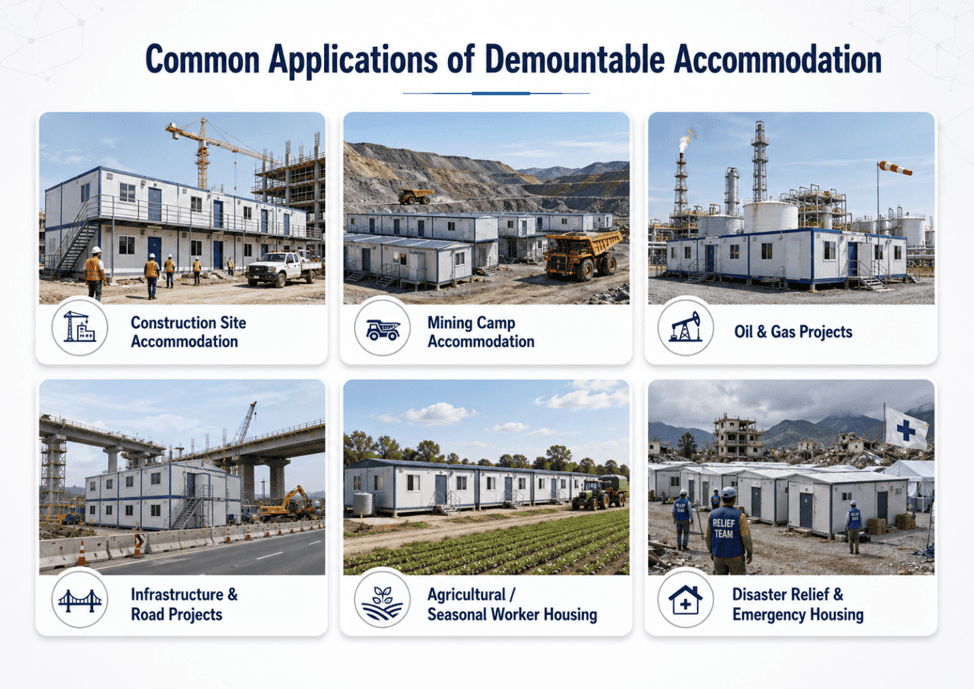
Construction Site Accommodation
Construction site accommodation is used to house workers, supervisors, engineers, and project staff near the worksite. A typical setup may include worker dormitories, supervisor rooms, site offices, dining areas, toilets, showers, and storage rooms.
It is suitable for building projects, infrastructure works, industrial construction, and large-scale temporary works.
Mining Camp Accommodation
Mining projects often operate in remote areas where local housing is limited. Demountable accommodation can be used to create mining camps with dormitories, kitchens, dining halls, ablution blocks, laundry rooms, offices, and recreation spaces.
Since mining projects may move or expand over time, reusable modular accommodation is especially valuable.
Oil, Gas, and Energy Projects
Oil and gas sites, solar farms, wind power projects, substations, and remote energy facilities often require fast-deployable accommodation for technical teams and site workers.
Demountable accommodation can provide durable, transportable housing and support facilities for these environments.
Infrastructure and Road Projects
Road, railway, bridge, port, and pipeline projects may move along a route instead of staying in one fixed location. Demountable accommodation can be relocated as the project progresses.
This helps support mobile workforces and temporary project teams.
Agricultural and Seasonal Worker Housing
Agricultural operations may need additional housing during planting, harvesting, or seasonal production periods. Demountable accommodation allows the number of units to be adjusted based on seasonal workforce needs.
Disaster Relief and Emergency Housing
Demountable units can also be used for emergency housing, relief worker accommodation, temporary medical support, and public service facilities after disasters or sudden displacement.
School, Training, and Camp Accommodation
Training centers, temporary schools, student dormitories, and camp facilities can also use demountable accommodation when fast setup and future relocation are important.
Main Types of Demountable Accommodation Units
Single-Room Accommodation Units
Single-room units are usually used for managers, engineers, technicians, or short-term staff. They can be fitted with a bed, desk, chair, lighting, power sockets, air conditioning, and storage.
They can work as independent rooms or be combined into a larger accommodation block.
Multi-Person Dormitory Units
Multi-person dormitory units are designed for higher-density worker housing. They may include bunk beds, lockers, lighting, ventilation, air conditioning, and shared access to toilet or shower facilities.
This type is commonly used in construction camps, mining camps, and large workforce housing projects.
Ensuite Accommodation Units
Ensuite units include private bathroom facilities inside the room. They are often used for managers, engineers, long-term staff, or projects that require a higher comfort level.
They usually require more planning for plumbing, drainage, ventilation, and maintenance access.
Ablution and Toilet Blocks
Ablution blocks provide shared toilets, showers, handwashing areas, laundry rooms, and sometimes changing rooms.
They are an essential part of most worksite accommodation and camp projects, especially when many workers live on site.
Kitchen and Dining Units
Large projects often require separate kitchen and dining modules. These units should be planned based on peak workforce headcount, food preparation needs, ventilation, water supply, drainage, and local hygiene requirements.
Complete Camp Accommodation Complexes
A complete demountable accommodation camp may include dormitories, supervisor rooms, site offices, kitchens, dining halls, toilet and shower blocks, laundry rooms, recreation areas, storage rooms, first-aid rooms, guard rooms, walkways, and corridors.
This type of solution is suitable for large construction sites, mining camps, oil and gas projects, infrastructure works, and remote workforce housing.
Demountable Accommodation vs Demountable Homes
Demountable accommodation and demountable homes may use similar prefabricated and relocatable construction methods, but they are designed for different users.
Demountable homes are usually designed for individuals, families, holiday use, backyard housing, or small residential projects. Demountable accommodation is mainly designed for B2B project-based workforce housing, where capacity, durability, fast delivery, transport efficiency, and repeated reuse are more important.
| Factor | Demountable Accommodation | Demountable Homes |
| Main purpose | Project-based workforce housing | Personal or family living |
| Common users | Contractors, mining companies, project owners | Homeowners and small residential buyers |
| Typical layout | Dormitories, staff rooms, ensuite units, camp blocks | Bedroom, kitchen, living room, bathroom |
| Project scale | Multiple units or full camps | Usually one home or small quantity |
| Mobility | Designed for repeated relocation and reuse | May be movable, but usually more residential-focused |
| Best for | Worksites, remote projects, camps, temporary housing | Tiny homes, holiday homes, backyard homes |
For B2B projects, demountable accommodation is usually more suitable because it can be planned as a complete site housing system instead of a single residential unit.
Are Demountable Tiny Houses the Same as Demountable Accommodation?
No. Demountable tiny houses are usually small residential units designed for individual living, holiday use, or compact personal housing.
Demountable accommodation is designed for workforce housing, site camps, and remote project accommodation. It focuses more on capacity, durability, transport efficiency, sanitary facilities, repeated relocation, and full camp planning.
For contractors, mining operators, infrastructure projects, and remote worksites, demountable accommodation is usually more practical than tiny houses.
Key Benefits of Demountable Accommodation
Fast Installation
Factory prefabrication reduces on-site construction work and helps project teams set up worker housing faster than traditional site-built accommodation.
Easy Relocation and Reuse
Demountable units can be dismantled and moved to another site after the project is completed. This makes them suitable for contractors, mining companies, energy projects, and temporary camps that operate across multiple locations.
Cost-Effective for Project Housing
For temporary and project-based housing, demountable accommodation can reduce on-site labor, construction time, and demolition waste. The long-term value becomes stronger when the same units are reused across multiple projects.
Flexible Layout and Capacity
Room types can be configured based on workforce structure. A project may use shared dormitories for workers, ensuite rooms for managers, separate toilet blocks, dining halls, offices, and recreation spaces.
Scalable for Workforce Growth
Additional modules can be added when the workforce increases and removed when the project size decreases. This makes demountable accommodation suitable for changing project phases.
Suitable for Remote and Harsh Site Conditions
Depending on the site location, units can be designed with insulation, weatherproofing, ventilation, HVAC systems, corrosion protection, and suitable wall panel materials.
Reduced Site Disruption
Because most manufacturing is completed off-site, the worksite mainly needs foundation preparation, delivery, lifting or assembly, connection, and final inspection. This can reduce noise, labor demand, and disruption on active sites.
What Facilities Can Be Included in Demountable Accommodation?
A demountable accommodation project can be planned as a single unit, a group of rooms, or a complete camp system. Common facilities include:
- Bedrooms and bunk rooms
- Ensuite bathrooms
- Shared toilet blocks
- Shower rooms
- Laundry rooms
- Kitchen units
- Dining halls
- Recreation rooms
- Site offices
- Meeting rooms
- Storage rooms
- First-aid rooms
- Security rooms
- Walkways and corridors
The final configuration should be based on workforce size, project duration, site conditions, climate, available utilities, local regulations, and budget.
Important Design Considerations for Demountable Accommodation
Number of Occupants
The base and peak workforce numbers determine the number of rooms, beds, toilets, showers, dining seats, laundry facilities, and supporting spaces required.
Room Layout
The layout should match the users. Workers may use shared dormitory rooms, while managers or long-term staff may need single rooms or ensuite units.
Climate and Insulation
Hot, cold, humid, coastal, high-rainfall, or high-wind environments require different insulation, ventilation, moisture control, corrosion protection, and waterproofing solutions.
Plumbing and Sanitation
Toilets, showers, kitchens, and laundry areas require proper water supply, drainage, wastewater treatment, ventilation, and maintenance access.
Electrical and HVAC Systems
Accommodation units usually need lighting, power sockets, distribution boxes, air conditioning, ventilation, emergency lighting, and safety systems.
Transportation and Site Access
Road width, lifting access, crane availability, forklift access, container loading limits, and delivery distance all affect the most suitable building type and packing method.
Foundation Requirements
Foundation options may include concrete blocks, steel supports, screw piles, concrete pads, or slabs. The right choice depends on soil condition, project duration, building height, and local requirements.
Local Building Codes and Safety Requirements
Fire safety, structural design, sanitation, emergency exits, occupancy limits, and worker accommodation standards vary by country and region. These requirements should be checked before procurement.
How to Plan a Demountable Accommodation Project
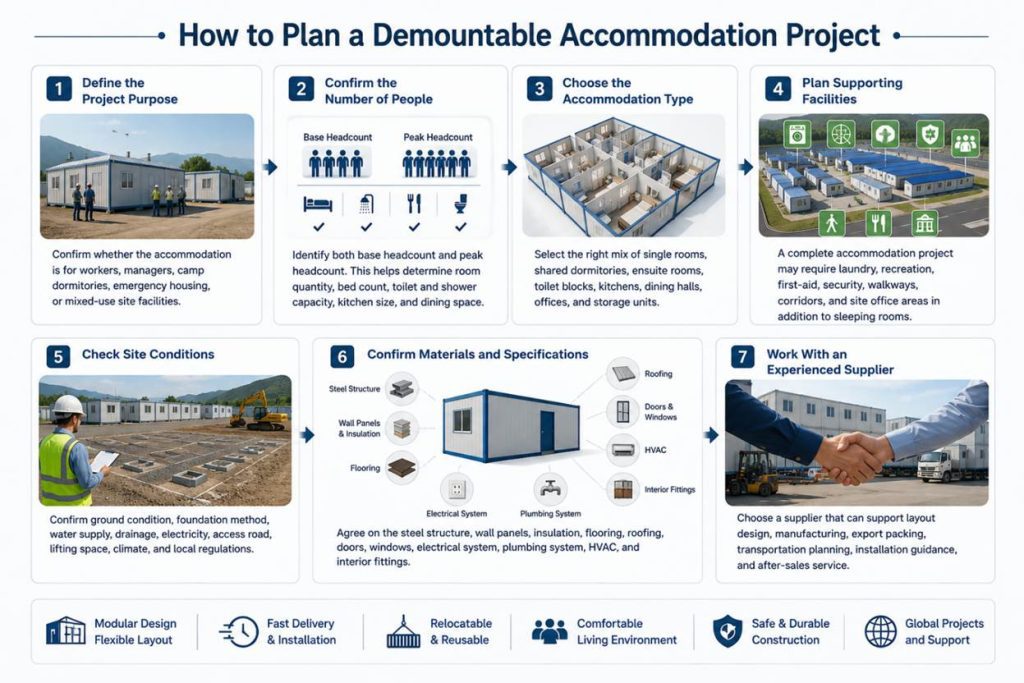
Step 1: Define the Project Purpose
Confirm whether the accommodation is for workers, managers, camp dormitories, emergency housing, or mixed-use site facilities.
Step 2: Confirm the Number of People
Identify both base headcount and peak headcount. This helps determine room quantity, bed count, toilet and shower capacity, kitchen size, and dining space.
Step 3: Choose the Accommodation Type
Select the right mix of single rooms, shared dormitories, ensuite rooms, toilet blocks, kitchens, dining halls, offices, and storage units.
Step 4: Plan Supporting Facilities
A complete accommodation project may require laundry, recreation, first-aid, security, walkways, corridors, and site office areas in addition to sleeping rooms.
Step 5: Check Site Conditions
Confirm ground condition, foundation method, water supply, drainage, electricity, access road, lifting space, climate, and local regulations.
Step 6: Confirm Materials and Specifications
Agree on the steel structure, wall panels, insulation, flooring, roofing, doors, windows, electrical system, plumbing system, HVAC, and interior fittings.
Step 7: Work With an Experienced Supplier
Choose a supplier that can support layout design, manufacturing, export packing, transportation planning, installation guidance, and after-sales service.
Recommended Demountable Accommodation Solutions by Project Type
| Project Type | Recommended Solution | Why It Fits |
| Construction site | Worker dormitory + site office + toilet block | Covers daily work, management, and living needs |
| Mining camp | Multi-person dormitory + dining + ablution units | Suitable for remote workforce housing |
| Oil and gas project | Modular camp accommodation | Fast deployment and scalable capacity |
| Road or infrastructure project | Relocatable accommodation units | Can move as the project progresses |
| Emergency housing | Folding container accommodation | Suitable for rapid deployment |
| Export project | Flat pack container accommodation | Helps reduce shipping volume and logistics cost |
| Large project camp | Combined accommodation complex | Can integrate dormitory, office, kitchen, sanitary, and support areas |
Flat Pack vs Folding Container Accommodation
ZN House provides two product lines commonly used for demountable accommodation projects: Flat Pack Container House and Folding Container House. Both are based on prefabricated steel structures and are designed for faster site installation, but they suit different project needs.
| Project Requirement | Flat Pack Container House | Folding Container House |
| Best for | Large camps, dormitories, offices, multi-unit layouts | Fast deployment, temporary accommodation, emergency housing |
| Transport method | Shipped in flat-pack form | Shipped in folded form |
| Installation priority | Planned camp construction and layout flexibility | Very fast on-site setup |
| Layout flexibility | High; units can be combined and stacked | Suitable for quick modular deployment |
| Typical use | Worker camps, offices, dormitories, sanitary units | Temporary housing, kitchens, sanitary units, rapid site accommodation |
| Buyer priority | Bulk delivery, export efficiency, layout flexibility | Speed, mobility, and quick installation |
Flat Pack Container House
The ZN House Flat Pack Container House uses a galvanized steel frame and 75mm rock wool sandwich wall panels. It is designed for easier handling, faster assembly, and flexible layout planning.
This product line is suitable for single rooms, site offices, dormitories, sanitary units, and larger accommodation camps. Units can be combined or stacked to create multi-room and multi-storey layouts, depending on engineering requirements and local building codes.
Flat pack design can help reduce shipping volume, making it suitable for export projects and bulk accommodation orders.
Folding Container House
The ZN House Folding Container House is designed for rapid deployment. A standard 20ft folding unit can be unfolded and installed quickly on site, making it suitable for temporary housing, emergency accommodation, kitchens, sanitary units, and fast-moving worksite projects.
Folding container accommodation is useful when speed, mobility, and simplified installation are key priorities.
What to Consider Before Buying Demountable Accommodation
Before buying demountable accommodation, confirm the following details:
- How many people need accommodation?
- Is the project temporary, semi-permanent, or long-term?
- How long will the accommodation be used?
- Will the units need to be relocated later?
- What room types are required?
- Are ensuite bathrooms needed?
- Are shared toilets or shower blocks required?
- Is a kitchen or dining hall required?
- What climate conditions should the units handle?
- What foundation type is available?
- Are there transportation or crane access limits?
- What local codes or safety standards apply?
- What is the expected delivery timeline?
- What is the budget range?
- Do you need drawings, layout design, or installation support?
These details help the supplier recommend a suitable unit type, layout, material specification, packing method, and installation plan.
How Much Does Demountable Accommodation Cost?
There is no single fixed price for demountable accommodation because each project has different requirements. The total cost depends on the number of units, room layout, materials, facilities, transport distance, installation method, and local compliance requirements.
Main cost factors include:
- Number of units
- Building size
- Room layout
- Interior finish level
- Wall, roof, and floor materials
- Insulation level
- Plumbing and bathroom requirements
- Electrical system
- HVAC system
- Kitchen and dining facilities
- Transportation distance
- Packing method
- Installation method
- Foundation type
- Local code requirements
- Customization level
- Order quantity
The most accurate way to estimate cost is to confirm the number of occupants, site location, project duration, required room types, supporting facilities, material specifications, and delivery timeline before requesting a quotation.
How to Choose the Right Demountable Accommodation Supplier
A reliable demountable accommodation supplier should provide more than standard units. They should help plan the full accommodation solution based on workforce size, site conditions, climate, budget, transport method, and future relocation needs.
When choosing a supplier, check whether they can provide:
- Experience with worksite or camp accommodation projects
- Custom layout design
- Stable factory manufacturing capability
- Consistent material quality
- Structural and MEP design support
- Export packing and transportation experience
- Installation guidance
- Technical documentation
- Project case studies
- After-sales support
For larger projects, it is also important to confirm whether the supplier can support complete camp planning, including dormitories, kitchens, dining halls, toilet blocks, site offices, and supporting facilities.
How ZN House Supports Demountable Accommodation Projects
ZN House manufactures modular container building solutions for worksite accommodation, construction camps, mining projects, remote workforce housing, and temporary project facilities.
For demountable accommodation projects, ZN House can support:
- Flat pack container accommodation
- Folding container accommodation
- Worker dormitory layouts
- Ensuite accommodation units
- Toilet and shower blocks
- Kitchen and dining units
- Site offices
- Complete camp accommodation planning
- Export packing
- Installation guidance
- Custom layout design based on headcount and site conditions
Whether the project requires a small worker housing area or a larger camp complex, ZN House can help plan a suitable configuration according to workforce size, project duration, transport method, site environment, and required facilities.
Frequently Asked Questions About Demountable Accommodation
What is demountable accommodation?
Demountable accommodation is a prefabricated modular housing solution that can be assembled, dismantled, relocated, and reused. It is commonly used for worksites, construction camps, mining projects, infrastructure works, oil and gas sites, emergency housing, and remote workforce accommodation.
What is the difference between demountable accommodation and demountable homes?
Demountable accommodation is mainly designed for project-based workforce housing, while demountable homes are usually designed for individual or family living. Demountable accommodation focuses more on capacity, durability, fast delivery, repeated relocation, and complete camp planning.
Is demountable accommodation the same as portable accommodation?
They are closely related, but not always the same. Portable accommodation generally refers to movable housing units, while demountable accommodation specifically emphasizes the ability to be dismantled, transported, reassembled, and reused across different project sites.
Can demountable accommodation be used for mining camps?
Yes. Demountable accommodation is widely used for mining camps because it can provide worker dormitories, supervisor rooms, toilets, showers, kitchens, dining halls, offices, laundry rooms, and recreation areas in remote locations. It can also be relocated or expanded as the project changes.
Can demountable accommodation be relocated?
Yes. Demountable accommodation is designed to be dismantled, transported, and reinstalled at another site. This makes it suitable for contractors, mining companies, energy projects, infrastructure works, and temporary camps that operate across multiple project locations.
Is demountable accommodation suitable for long-term use?
Yes, demountable accommodation can be used for temporary, semi-permanent, or longer-term projects, depending on the structure, materials, insulation, maintenance, foundation, and local regulations. Long-term or multi-storey use should be checked against local building codes and engineering requirements.
Can demountable accommodation include bathrooms?
Yes. Demountable accommodation can include ensuite bathrooms, shared toilet blocks, shower rooms, laundry rooms, and separate ablution facilities. Plumbing, drainage, ventilation, and wastewater treatment should be planned before production.
Do demountable accommodation units need a foundation?
Most demountable accommodation units need a level and stable base. Depending on the site condition and project duration, foundations may include concrete blocks, steel supports, screw piles, concrete pads, or concrete slabs. Multi-storey or long-term installations usually require engineering confirmation.
How long does it take to install demountable accommodation?
Installation time depends on the product type, number of units, foundation readiness, site access, labor, crane or forklift availability, and connection requirements. Flat pack and folding systems are generally faster to install than traditional site-built accommodation.
Can demountable accommodation be stacked?
Some demountable accommodation units can be stacked or combined into multi-storey buildings, but the structure must be designed for stacking. Engineering requirements, wind load, local codes, staircase access, fire safety, and foundation design should be confirmed before installation.
What facilities can be added to a demountable accommodation camp?
A demountable accommodation camp can include bedrooms, bunk rooms, ensuite bathrooms, shared toilets, showers, laundry rooms, kitchens, dining halls, offices, meeting rooms, storage rooms, first-aid rooms, security rooms, corridors, and recreation areas.
How many people can live in demountable accommodation?
Capacity depends on room size, bed arrangement, layout, local regulations, comfort level, and supporting facilities. A project may use only a few rooms for a small team or combine many modules into a large camp complex for hundreds of workers.
Is demountable accommodation cheaper than traditional housing?
For temporary or project-based housing, demountable accommodation is often more cost-effective than traditional construction because it can reduce on-site construction time, labor demand, and demolition waste. Its cost advantage is stronger when the units are reused across multiple projects.
What information is needed for a quotation?
To get an accurate quotation, provide the number of occupants, room layout, site location, project duration, required facilities, material specifications, climate conditions, transport method, installation requirements, and delivery timeline.
Technical Disclaimer
This article provides general information about demountable accommodation and modular worksite housing. Exact specifications, installation methods, stacking limits, compliance requirements, delivery time, and pricing should be confirmed based on the specific project. Local building codes, fire safety rules, structural requirements, sanitation standards, and worker accommodation regulations vary by country and region and should be verified before procurement.
Get a Demountable Accommodation Quote
Looking for demountable accommodation for a construction site, mining camp, oil and gas project, infrastructure work, or remote workforce housing?
ZN House can help you plan a suitable accommodation solution based on required capacity, room layout, site conditions, climate, delivery schedule, transport method, and installation needs.
Contact ZN House to discuss your demountable accommodation project.
Similar Posts
How Much Does a Container House Cost?
In recent times, container houses have emerged as one of the rapidly expanding segments in the…
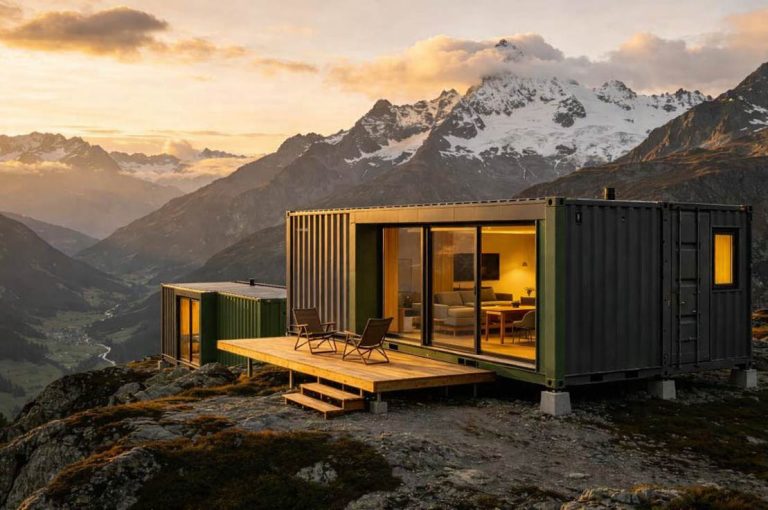
How to Choose the Best Container Camp for Your Outdoor Adventure
Container camps have changed outdoor experiences in many ways, allowing people to shift from tent camping…
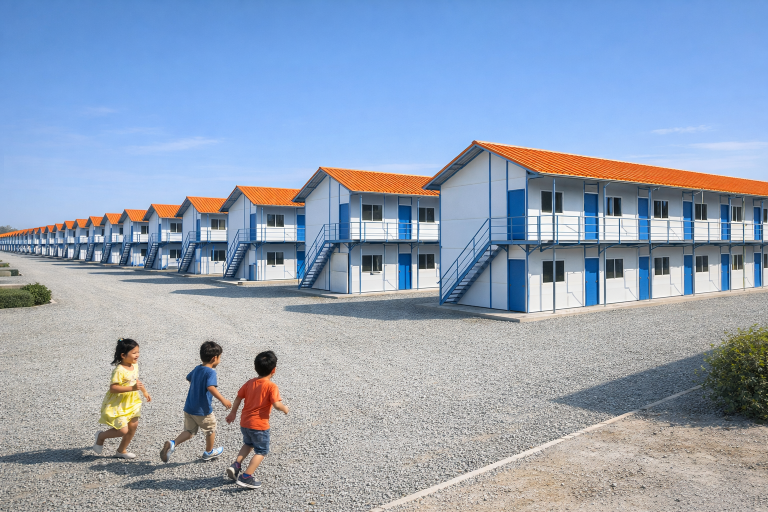
Prefabricated Resettlement Homes: A Reliable Solution for Government Housing Projects
Government housing programs are often caught in a dilemma of speed, cost, and quality. After natural…
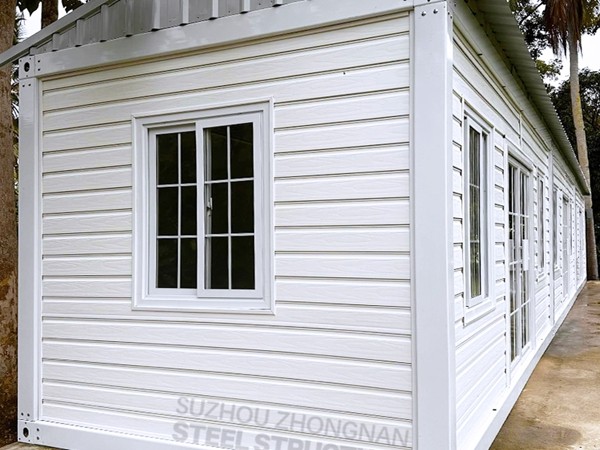
Upcycling Shipping Containers into Modern Homes
The rise of modular container homes for sale marks a transformative shift in sustainable architecture. By repurposing…
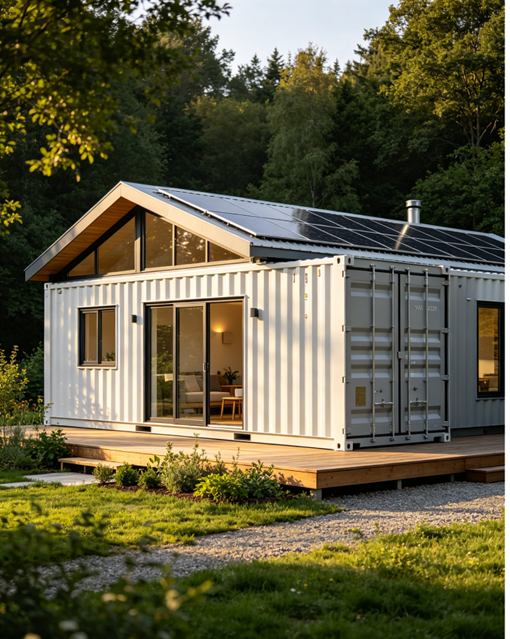
Is a Container House Safe?
Often, when people are introduced to the concept of a container house, they are flooded with…
Modular Container House Revolution
Welcome to the future of flexible architecture with our cutting-edge modular container house designs! These aren’t your ordinary…


