



Smart Living Starts with a Folding Container House
The housing industry is experiencing a wave of innovation led by efficient, mobile, and modular solutions. At the center of this trend is the folding container house—a game-changing structure that redefines speed, portability, and practicality in modern construction. With its compact delivery and rapid deployment, this foldable architecture offers a smart answer to urgent housing needs, off-grid living, and mobile workspaces.
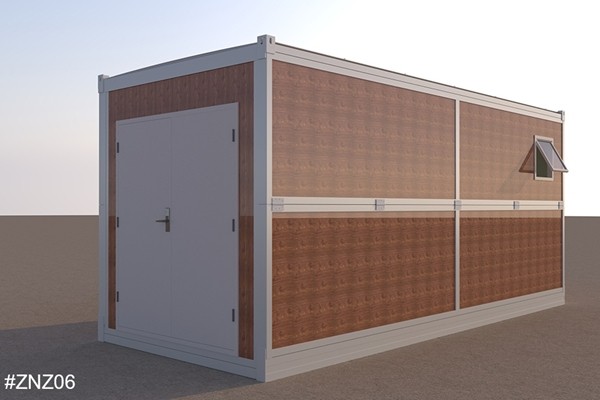
What Makes a Folding Container House Unique?
A folding container house is a prefabricated modular home that can be collapsed into a flat form for convenient shipping and then unfolded at the destination into a full-sized structure. Unlike traditional shipping container homes, which are rigid and bulky during transport, folding models minimize space and cost during transit.
This style of housing is built using durable steel frameworks and insulated sandwich panels that are both lightweight and robust. Once deployed, the folding container house maintains structural integrity comparable to fixed-frame container buildings while offering flexibility in location, use, and layout.
Assembly is fast—typically completed in a matter of hours with minimal tools or labor. This makes the folding container house particularly ideal for emergency shelters, remote job sites, mobile clinics, and even tourist accommodations.
Efficiency at Its Core: Collapsible Container Homes
Collapsible container homes offer a new level of convenience for builders and developers seeking transportable, ready-to-use structures. These homes can be shipped in a highly compact form—up to several units per standard truck or shipping container—reducing logistics costs significantly.
Once delivered, these homes expand into fully enclosed, insulated, and weather-resistant living spaces. The use of high-grade galvanized steel and integrated insulation ensures they are suitable for various climates. Additionally, many collapsible container homes are equipped with basic utilities, including wiring and plumbing, ready for quick connection on-site.
Their collapsible design is especially advantageous for temporary housing needs such as post-disaster relief or seasonal staff accommodation. At the same time, they offer enough longevity and stability for permanent installations in remote or underdeveloped areas.
The Flexibility of a Foldable House Container
The foldable house container stands out for its modularity and adaptability. Unlike rigid prefab units, foldable containers can be customized in layout, connected to additional modules, or relocated when needed. This flexibility makes them an excellent solution for developers seeking scalable housing options.
In urban areas, a foldable house container can be used as a compact guest house, office pod, or urban infill unit. In rural or off-grid settings, it serves as a self-contained living space that can be expanded or repurposed over time.
These units are often delivered with pre-installed flooring, windows, and insulation, reducing the need for finishing work. Buyers can personalize the space with interior partitions, solar energy systems, and other smart technologies for enhanced comfort and sustainability.
The appeal lies not only in cost savings and rapid assembly but also in the ability to disassemble and move the unit whenever necessary—offering true freedom of living.
How a Folding Shipping Container House Solves Space and Time Constraints
One of the key selling points of a folding shipping container house is its minimal site requirement. Because it arrives compact and unfolds into shape, the need for heavy lifting machinery and foundation work is greatly reduced. This makes it an attractive option for land plots with limited access or uneven terrain.
Time is also a major advantage. A typical folding shipping container house can go from delivery to occupancy in a single day. For governments or NGOs involved in rapid response housing or crisis shelters, this speed can mean the difference between safe shelter and exposure.
Moreover, these units are stackable and easy to store, allowing large-scale developers to manage inventories more efficiently. A fleet of folded homes can be stored in a warehouse or transport hub, ready to deploy when new projects arise.
With evolving designs now including expanded windows, bathroom modules, and stylish interiors, the folding shipping container house is not just a practical solution—it’s also becoming a desirable modern dwelling.
Folding Container House FAQs
What are the key benefits of a folding container house?
A folding container house offers compact shipping, rapid setup, and a reusable design that makes it ideal for temporary or mobile housing needs.
Are collapsible container homes suitable for long-term use?
Yes, collapsible container homes are built with durable steel structures and insulated panels, making them viable for both temporary and permanent installations.
Can I customize a foldable house container after it’s delivered?
Absolutely. Many foldable house container models allow for internal customization, including room dividers, electric systems, and sustainable features like solar power.
How is a folding shipping container house different from a regular prefab home?
A folding shipping container house is designed to fold flat for transport and unfold on-site, offering greater mobility and faster setup than most prefab units.
How long does it take to install a folding container house?
Most folding container house units can be installed within 3 to 6 hours, depending on site preparation and workforce.
Similar Posts
Maintenance Guide for Quick Assembly Homes
In the market of modern construction, easy assemble house, prefab container modern luxury prefab house easy…
High-quality Materials in Fabricated Homes for Sale
In the market for a new home, fabricated homes for sale are making a big splash, and…

Innovative Living Solutions Through Flat Pack Container Houses
The construction industry is experiencing a revolutionary transformation through advanced buy flat pack house opportunities and sophisticated chinese flat…

The Versatility of Fold Out Container Homes
In the quest for modern, innovative housing solutions, fold out container homes have emerged as a popular…
Foldable Container House Designs for Urban and Remote Living
The demand for flexible, affordable, and sustainable housing solutions is growing rapidly. Folding container houses, foldable container homes,…

Office Container Size Options for Startups
In the dynamic world of startups, flexibility and cost – effectiveness are key. Office containers have…


