



How Much Is a Prefab Tiny House?
The costs connected to owning a home haven't been this high before. Considering rising median home prices in several markets year after year, plus that traditional construction timelines are extending to several months and even years, it makes sense that more buyers, investors, as well as lifestyle seekers are raising this question point-blank: how much does a prefab tiny house cost, and is it really a better option?
Well, the good news is that prefab tiny houses, in most cases, not only cost less but are also way faster to get installed compared to traditional homes. Then again, a price tag is never just one number. It reflects several factors or decisions put together: the overall size of the house, the kind of building materials one decides to use, the degree or level of interior design, the thermal insulation specification, and also the distance that the unit has to travel from factory to site.
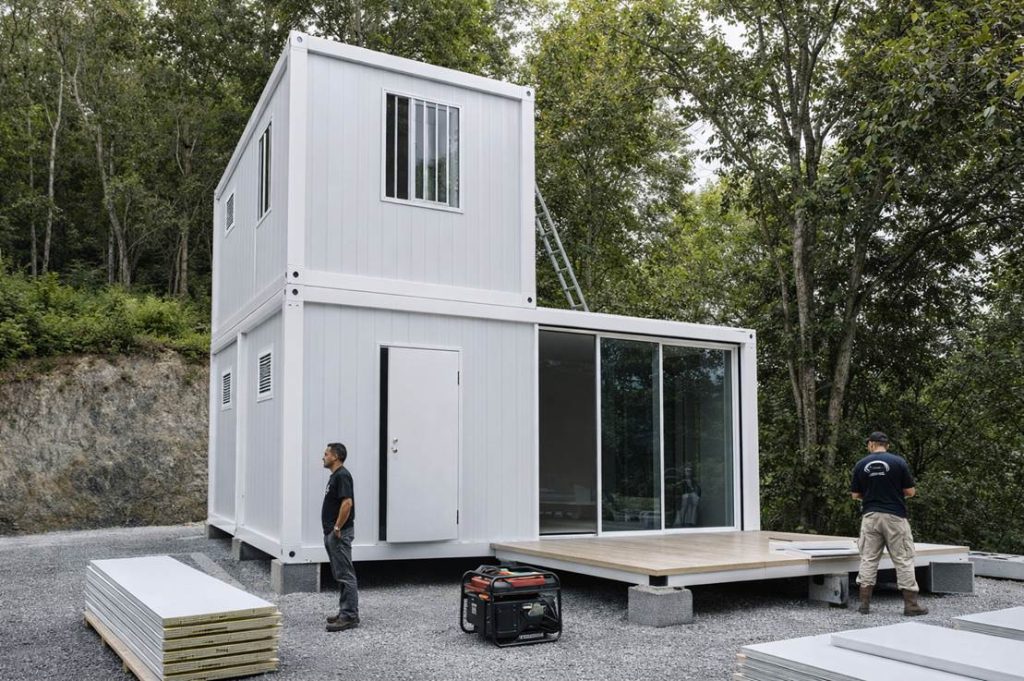
This guide analyses every single element of that cost scenario from very basic flat pack units all the way to fully furnished A-frame luxury cabins that you can use to estimate your budget accurately and also decide on your purchase with confidence.
What Is a Prefab Tiny House?
A prefab tiny house is a compact home that is mostly constructed in a factory and then transported and assembled on location. Compared to a traditionally built house - where workers build walls, pour foundations, and finish interiors all at the site - a prefab unit can be delivered fully assembled, as folded panel units, or as a flat pack kit ready for rapid on-site installation time.
Since factory production deals with a controlled environment, material waste is minimized, quality control is rigorous, and labour hours are quite a bit less than on a traditional building site. These efficiencies directly lead to lower cost and shorter project timelines that are shorter.
Prefab tiny house types most commonly seen in the market today are:
- Modular tiny house multi-room units that are assembled by stacking or joining modules, can be scaled up for families or commercial use.
- A-frame tiny house prefabs: a triangular roof design that was first used in alpine cabins, now factory-made for eco-resorts, lakeside retreats, and Airbnb types of properties.
- Flat pack tiny house panels, frames, and components that are shipped in a flat-packed form and assembled on-site with very few tools and a small crew.
- Container tiny house made from or modelled after standard shipping container sizes; they feature a strong steel structure and a compact, modern look.
Each kind is in a different price range and knowing what factors determine the ranges is the most helpful place to start for any buyer or developer.
How Much Does a Prefab Tiny House Cost?
Average Prefab Tiny House Price Range
This question has no definite answer - in fact, any supplier who gives you a firm number before taking into account your project requirements should be treated with suspicion. Prefab tiny house pricing is very variable, and it changes based on a combination of different factors.
Generally, the market indicates a tiered structure:
| Tiny House Type | Relative Cost Level |
| Basic Prefab Tiny House | Most Affordable |
| Flat Pack Tiny House | Affordable to Mid-Range |
| Mid-Range Modular Tiny House | Mid-Range |
| A-Frame Tiny House Prefab | Mid to Upper Range |
| Luxury Tiny House | Premium |
| Container Tiny House with Full Fit-Out | Mid to Premium |
Entry-level units- generally simple flat pack or folding container designs with only basic finishes - are at the easiest access point of the market. But, a fully custom-made luxury building with high-end facade materials, an interior that is completely fitted, and smart home systems would be at the top end of the market. Most of the market will be between these two extremes, focusing on well-specified units that provide a good balance of comfort, durability, and cost-efficiency.
What makes up the biggest impact on prices are these five factors: materials, insulation, interior finishes, transportation, and level of customization. Below, each factor is thoroughly examined.
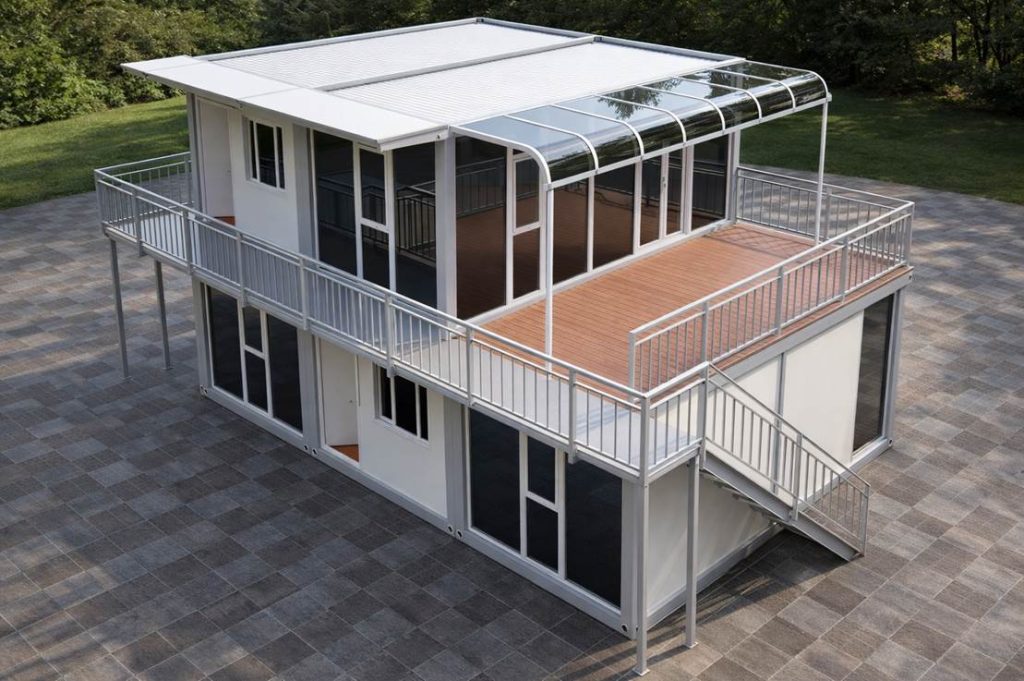
Prefab Tiny House Cost by Size
Size is, for sure, one of the easiest price factors to explain. Larger homes demand more wall panels, structural frames, roofs, and interior fixtures and each of these elements not only adds to the price individually but also causes a chain effect that increases the total cost.
The smallest tier of a tiny house (100200 sq. ft) is the most entry-level category. Such dwellings usually consist of a single open living area with only a bathroom. They are perfect for garden offices, art studios, individual travellers, or minimalist main homes where space must be used efficiently.
A medium tiny house (200400 sq ft) is big enough to offer one or two bedrooms, a full bathroom, and a living room combined with a kitchen. This size is the favourite among Airbnb hosts, vacation rental operators, and people going for compact permanent residences. Due to the good livability and relatively low price at this size, it becomes the perfect choice for most commercial and residential buyers.
A large tiny house (400+ sq. ft) is almost the same as a normal small house in functionality. Multi-room configurations, additional bathrooms, and full utility systems, air conditioning, heating, and integrated electrical infrastructure are commonly found at this size. All these additions contribute to a significant increase in the overall cost of the project.
What Factors Affect Prefab Tiny House Pricing?
Tiny House Size
Floor area is the main reason for determining price. Increasing square meters means you'll need more panels, framing materials, roofing, and finishing. Establishing your minimum viable floor plan before seeking quotes is absolutely the most powerful method of keeping your budget under control at the very beginning.
Structural Materials
The frame and exterior skin of prefab tiny houses greatly influence not only initial cost but also the longevity of the product. The primary structural options are:
Steel Frame
Most container-style and flat-pack designs use galvanized steel as the most durable and weather-resistant option. Steel structures can withstand very strong winds, earthquakes, and heavy snow loads. ZN House constructs all its prefab container units using a certified steel structure that has been tested for even the most demanding environments.
Wood Frame
This material is lighter and easier to handle at the construction site, plus it has a naturally warmer look. It is often used in A-frame cabin designs and in timber building traditions. Proper treatment is necessary to protect it from moisture and pest damage over time.
Sandwich Panels
Composite wall panels represent a hybrid of a durable outer layer and an insulated core. These are the main components of most of the prefab panel systems due to their great synergy of high strength, insulation capability, and simplicity of installation.
Glass Façade
The use of floor-to-ceiling glass dramatically raises the cost of both materials and installation, yet it remains a favoured enhancement for luxury Airbnb cottages, resort accommodations, and upscale residential purposes where the expenditure can be visually justified.
Interior Customization
A typical prefabricated basic unit will generally have a raw interior shell, like a floor base, plumbing rough-in, and standard electrical. Upgrades from this standard level will increase the final price. Most popular interior customization features are:
Bathrooms fully tiled with WC, shower, and vanity. Kitchens fitted with cabinets, worktops, and household appliances. High-end flooring like LVT, hardwood laminate, or ceramic tile. Furniture and storage solutions integrated. Smart home systems: lighting automation, climate control, and security infrastructure.
Finishing the factory mostly as a unit will mean there will still be an amount of work needed at the site on producing the labour cost and through faster handover time.
Insulation Options
Insulation quality has a big impact on comfort and energy efficiency, two things that will definitely affect the operating costs of the building eventually. Major insulation systems used in prefab tiny houses are:
PU (Polyurethane) Panels
PU has excellent heat performance and a quite thin profile as well. These properties make the panels very suitable for small spaces where interior volume counts.
Rock Wool Panels
Rock wool panels are very versatile; they provide thermal insulation as well as soundproofing, and their fire resistance is excellent. A typical application is in housing for permanent residents and workers' dormitories.
EPS (Expanded Polystyrene) Panels
EPS Panels provide a good insulation value for the money and are an ideal choice for budget-tier flat pack systems, where initial cost is the number one factor.
Improved insulation not only makes your home more comfortable all year round but also lowers your heating and cooling bills for many years to come. In fact, it is a worthwhile financial investment even if it increases the initial cost.
Transportation & Installation
Transport is a line item that most purchasers fail to consider while they are at the stage of getting price quotations. The more a piece of equipment has to be moved from the factory, the higher the freight cost becomes - and if one is buying from a foreign country, then the freight cost will be not only the ocean freight, but also the port handling and the inland logistics to the final site.
Major transport and installation factors comprise:
Distance of shipment and shipping method - flat pack boxes are the most cost-effective mode of transport when shipping in bulk, as it is possible to pack a number of units tightly into one standard shipping container. Ports and customs handling for export orders. Crane renting or forklift use for the last unit positioning. Site preparation - earthworks, concrete pads, or utility stub-outs - which usually involve local contractors and differ a great deal by location.
ZN House operates from plants near the Port of Qingdao in Shandong, which is a great way to limit shipping lead times and freight costs for purchasers throughout Asia, the Middle East, Africa, Europe, and other parts of the world.
Flat Pack Tiny House vs Traditional Tiny House
When construction methods are compared, the flat pack tiny house brings buyers with tangible benefits in nearly every functional aspect.
| Feature | Flat Pack Tiny House | Traditional Tiny House |
| Installation Time | Fast | Slower |
| Transportation | Easier | More Difficult |
| Construction Waste | Lower | Higher |
| Flexibility | Higher | Lower |
| Cost | More Affordable | Higher |
| Quality Control | Factory-controlled | On-site variable |
| Scalability | High | Low |
Flat pack systems score these benefits by having every bit of material cut very accurately and prepared in the factory. Putting together on-site is mostly a matter of linking up and finishing, which means the erectors don't have to be highly skilled; the timing of the project is shorter, and the risk of weather-related postponements or errors made on the spot is reduced.
Developers who build a number of units, for instance, resort vacation cabins, workers' camps, or modular housing estates, are very likely to use flat packs as they can produce economies of scale that are impossible for traditional construction to match. The power to order, ship, and lay down dozens of the same units at the same time is a fundamental commercial edge.
Explore ZN House Flat Pack Container Houses →
Where Can I Buy a Prefab Tiny House?
The manufacturers in the prefab tiny house market are located throughout China, Europe, North America, and Australia. For most of the buyers -- Mostly those who are building resort, hospitality, or commercial accommodation projects -- working directly with a manufacturer in a factory is a way to get the best price, customization capability, and production capacity.
When you compare places to buy a prefab tiny house, check out suppliers with the ability to show you these features:
Manufacturing experience: a factory with a documented multi-year track record in prefab construction is what matters here, and if they have also completed international projects across different climate zones and use cases, it is a big plus.
Certifications: having internationally recognized quality and safety certifications is a strong indication that the structural and materials aspects of the project meet your local requirements and also that the integrity of your project is well protected.
Customization ability goes beyond selling from a fixed catalog; the best manufacturers tailor floor plans, exterior finishes, insulation specs, door and window configurations, and interior layouts to your specific project needs.
Shipping supports the buyer who purchases internationally and is not able to easily check the goods before shipment will definitely find it very useful if the supplier offers end-to-end logistics capability, including packing, documentation, and freight coordination.
Installation guidance: the most effective way of minimizing installation risk and fast-tracking delivery-to-occupancy time is to have detailed assembly documentation, video support, or on-site technical assistance available.
ZN House is a leading manufacturer of prefab container houses in China and one of the oldest ones with more than 20 years of production experience. The company has already implemented projects in all continents of the world: Asia, Africa, Europe, North America, South America, and Oceania, moving from single-unit residential builds to large-scale worker accommodation camps and multi-unit hospitality resort developments.
Frequently Asked Questions
How much does a prefab tiny house cost?
Prefab tiny house prices are a broad range, starting from the type, size, materials, insulation, interior finishes, and transportation to the exterior features. Entry-level flat pack and folding units are the most accessible. Fully customized luxury builds occupy the upper end. Requesting a quote from a manufacturer based on your specific project requirements is the most reliable way to establish an accurate budget.
Are prefab tiny houses cheaper than traditional homes?
Generally speaking, the answer is yes. Prefab structures that are factory-built can decrease labor expenses, limit construction waste and shorten project timelines Much compared to traditional stick-built construction. The overall cost benefit is driven by location, site conditions, level of customization, etc.
Can prefab tiny houses be customized?
Yes. The leading manufacturers give you the opportunity to customize many aspects, such as the floor plan, the type and thickness of wall panels, the style of doors and windows, the exterior cladding, the interior finishes, the furniture packages, and the entire utility systems. For each project, ZN House offers free professional design as well as detailed engineering drawings.
What is the cheapest prefab tiny house option?
Flat pack container homes and folding container homes have a major advantage of being the cheapest options both for unit cost and shipping efficiency. They are perfect for buyers who want to get their houses deployed very fast and keep their budgets controlled without requiring very luxurious finishes.
Are A-frame prefab tiny houses expensive?
The cost of a typical A-frame prefab unit is higher than that of a standard box-form design mainly because the structural geometry is more complex and the finishing details are usually at a higher level in the vacation cabin and resort market. Though the money spent is often recovered through the high nightly rates and occupancy levels that unique A-frame cabins lure on Airbnb-type platforms.
Conclusion
Prefab tiny houses are probably one of the simplest and most affordable ways to get a modern property, start a hospitality business, or have compact residential living. If you are thinking about building just 1 cabin for Airbnb, a resort with multiple units, or a backyard guest house that is very practical, the factory-built model always comes up with major pluses over the traditional building method in price, time, quality, uniformity, and ability to grow.
Price can never be a single figure - it is rather a result of various options taken at the design stage on size, materials, insulation, finishes, and site logistics. Engaging with an experienced manufacturer early on gives you more power over those variables and the overall project budget.
ZN House, with plenty of over 20 years, the company has been providing prefab container and modular housing solutions to clients on six continents. The team offers detailed floor plans, complete specification packages, and straightforward factory pricing customized to your project needs.
Ready to plan your project? Request a quote from ZN House, ask for floor plans, or reach out to discuss customization options and project timelines.
Similar Posts
Prefab Homes Under 50K
Affordable housing is no longer a dream far removed from reality. You can even buy prefab...
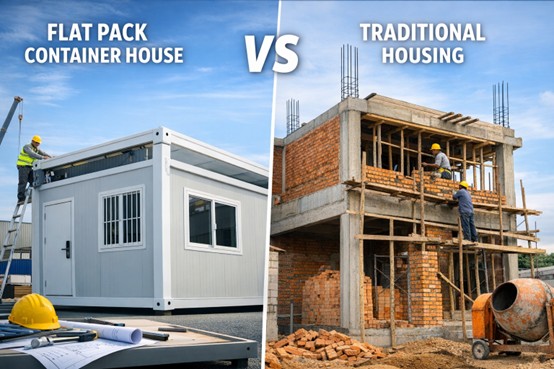
Flat Pack Container Houses vs. Traditional Housing: What's the Real Difference?
Introduction Increasingly, modern construction projects require building systems that can respond to the changes based on...
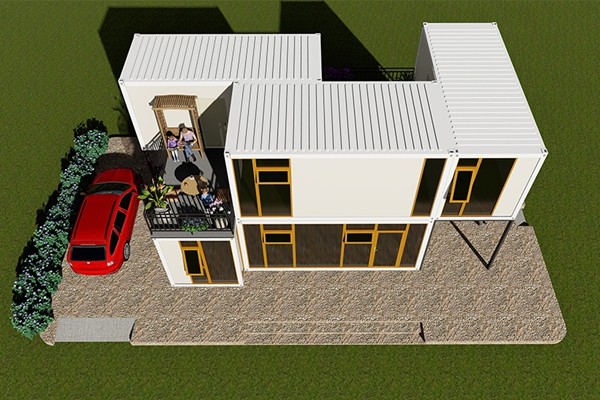
Long - Term Value of Modular Container House
In the ever - evolving realm of modern construction, modular container house, modular container house price,...
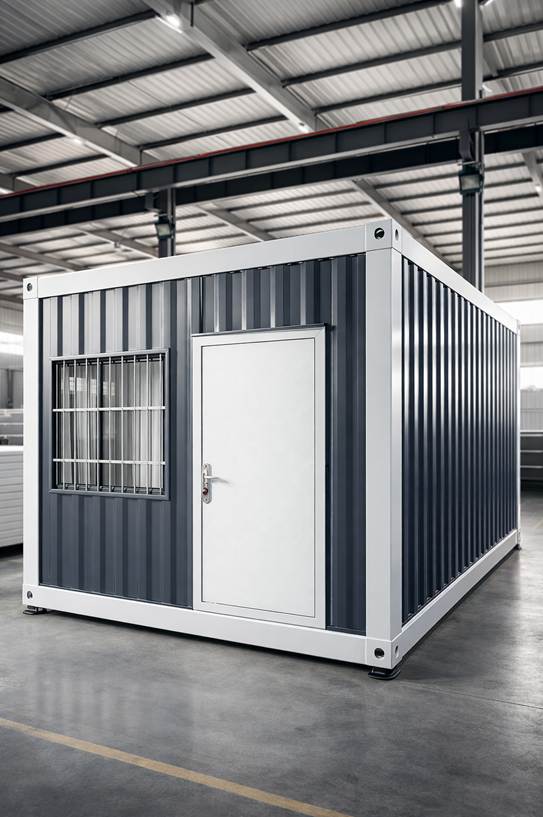
How to Choose the Right Container House for Your Project
Container homes have transformed greatly from just simple cabins on the building site. Nowadays, they are...
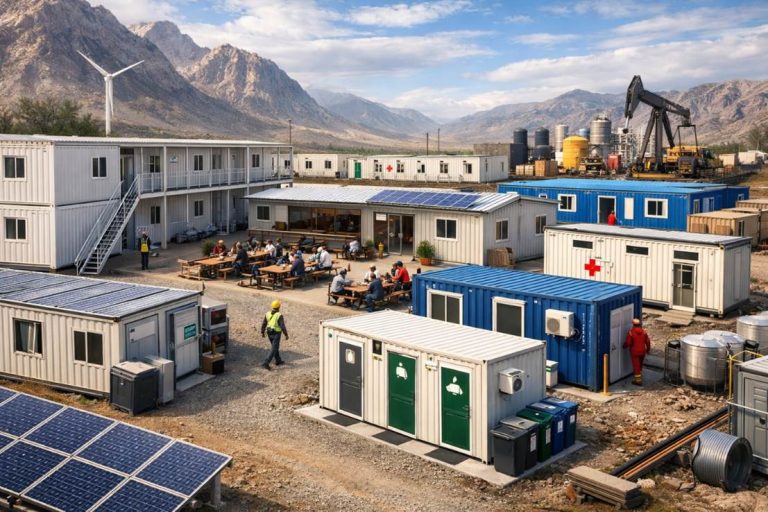
Top 10 Benefits of Container Camps for Modern Living Solutions
When construction starts on new infrastructure projects in remote desert regions, a new mine is developed...

Revolutionary Modular Living Space Solutions
In today's architectural field, modular construction is transforming traditional building methods with its unique advantages. As...


