



Refugee Camp Container Housing: Building Faster, Safer, and More Dignified Emergency Shelters
The provision of safe and reliable accommodation has always been among the main requirements in humanitarian emergencies. In situations caused by natural disasters, wars, and climate-related emergencies, dozens of people can be displaced in a very short time, meaning that fast and effective accommodation solutions should be developed.
Refugee Camp Container Housing has been proven as a viable alternative to traditional temporary accommodation. In contrast to simple tent camps, container-based housing provides better protection from adverse weather and improved privacy, security, and long-term use. Examples of contemporary modular solutions illustrate that they can serve not only for providing accommodation but also for constructing necessary facilities such as medical units, schools, sanitation areas, as well as community spaces.
According to the UNHCR, the following characteristics should be considered in the design of emergency shelters: climatic conditions, cultural needs, privacy, safety, and durability of materials. Thus, this approach has motivated humanitarian organizations to implement long-lasting and flexible shelter solutions.
Today’s modular solutions are capable not only of providing housing options but also of establishing necessary infrastructures like healthcare institutions, education centers, clean-up facilities, and recreational areas. Thus, it is possible to adjust a full-scale Container Camp Solution according to the size of the population, climate conditions prevailing in the region, and humanitarian needs of the population.
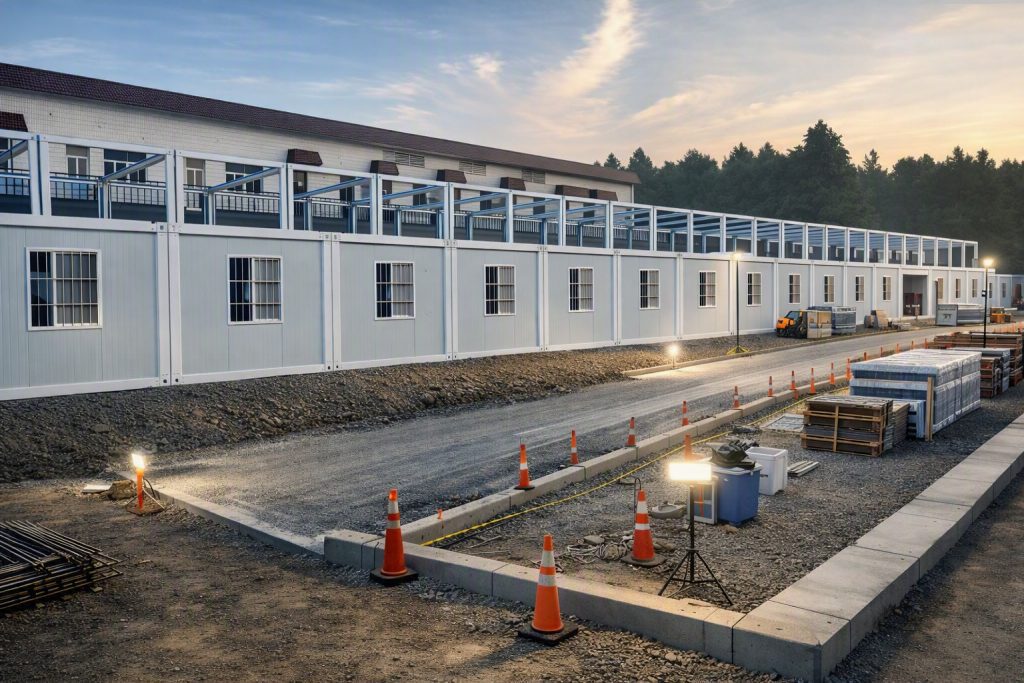
Why Refugee Camp Container Housing Is Becoming More Important
Traditional emergency shelters are often designed for immediate response. However, many refugee settlements remain active for months or even years. Therefore, humanitarian housing must balance rapid deployment with improved living standards.
Today, most prefabricated shelters for refugees are manufactured at controlled factory sites and so can be quickly moved to the place of assembling at the construction site. Thanks to this, such a method of shelter construction allows one to set up containers as living places even in inaccessible areas where traditional building methods are difficult or impossible.
Key advantages include:
| Feature | Benefit for Humanitarian Projects |
| Rapid installation | Allows emergency accommodation to become operational quickly |
| Modular design | Enables expansion or relocation according to changing population needs |
| Weather resistance | Provides better protection against extreme temperatures and rainfall |
| Reusable structure | Reduces waste and allows units to be redeployed |
Unlike conventional temporary structures, container housing can also create organized communities. Individual accommodation units can be combined with service buildings, including kitchens, clinics, classrooms, and administrative offices.
Main Components of a Container-Based Refugee Camp
A successful refugee camp requires more than sleeping areas. A complete settlement should support daily life, health, education, and community activities.
A well-designed emergency container camp housing system may include:
| Facility Type | Purpose |
| Living modules | Provide private family or group accommodation |
| Medical units | Support healthcare services during emergencies |
| Sanitation blocks | Improve hygiene and reduce health risks |
| Education facilities | Maintain learning opportunities for children |
| Logistics buildings | Support food, equipment, and aid distribution |
To give an example, modular units can be placed in configurations such as a single house, linked dormitory units, or larger municipal structures based on the needs of the project. This modular design also provides the opportunity for organizations to turn emergency camps into quasi-permanent settlements, which can be converted into schools, hospitals, offices or community services after an emergency.
Refugee settlements created with container technology can comprise living space units, medical facilities, school facilities, and common areas. Container dormitories are often used whenever large groups need sleeping facilities.
Engineering Features of Modern Refugee Camp Container Housing
High-quality container shelters are designed with safety, comfort, and durability in mind. Typical construction features include:
- Galvanized steel structural frames for strength and corrosion resistance
- Insulated wall and roof panels for thermal performance
- Integrated electrical systems and lighting
- Doors and windows designed for ventilation and security
- Flexible interior layouts for different applications
ZN House’s container camp solutions are designed around these principles, using prefabricated and modular construction methods to support rapid humanitarian deployment.
For projects requiring compact transportation and fast assembly, solutions such as Flat Pack Container House can reduce logistics challenges while maintaining comfortable living conditions.
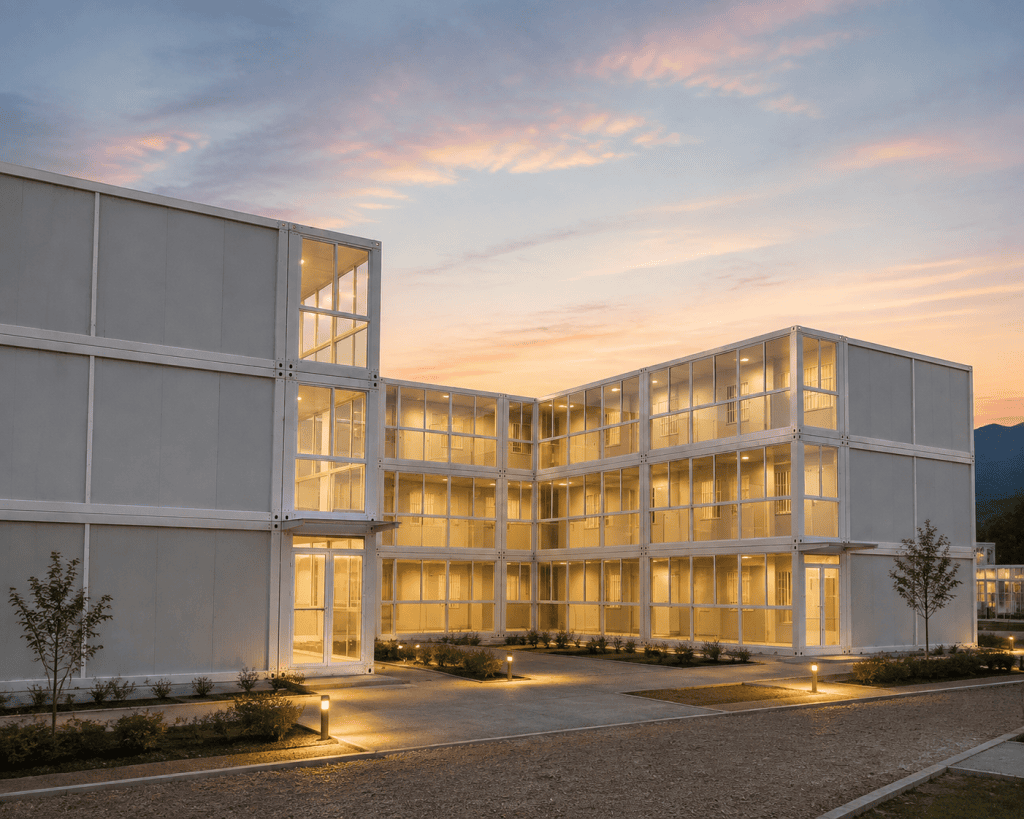
Real-Life Case Study: Southeast Asia Disaster Relief Container Camp
After a massive natural disaster struck Southeast Asia, rescuers were met with numerous challenges like the destruction of basic facilities, the lack of transport options, and the immediate need to find safe accommodations for the affected families.
Project Challenges
The main difficulties included:
- A shortage of suitable temporary housing in remote areas
- Difficult transportation conditions
- The need for fast installation without relying on complex construction equipment
- The requirement for housing that could withstand challenging weather conditions
Solution Provided
ZN House supplied modular container housing units designed for rapid deployment. The prefabricated structures were manufactured before transportation, reducing on-site construction time. The units provided insulated living spaces and could be arranged into a complete camp layout.
The project demonstrated how rapid deployment refugee housing can support emergency response while creating safer and more organized living environments. After immediate relief needs were addressed, the modular units could continue serving as community facilities or be relocated to other areas.
Sustainability and Long-Term Value of Refugee Container Housing
Humanitarian organizations increasingly focus on sustainable solutions that reduce environmental impact and maximize investment value.
Compared with single-use temporary shelters, reusable container housing offers several advantages:
| Sustainability Aspect | Contribution |
| Reusability | Units can be relocated and reused for future emergencies |
| Reduced construction waste | Factory production improves material efficiency |
| Long service life | Durable structures can support long-term applications |
| Flexible conversion | Housing units can become schools, clinics, or offices |
In this regard, the circular strategy allows authorities and humanitarian agencies to utilize the available resources more efficiently and improve the living situation of the displaced population.
When the urgent needs come to an end, portable units transform into schools, office buildings, or community centers. For example, modular classrooms allow for further use of temporary housing infrastructures for years to come.
How Container Camps Support Human Dignity
Shelter is not only about protection from weather. It also affects privacy, mental well-being, and social stability.
The contemporary refugee camp container housing offers independent living arrangements, enhanced safety measures and a better feeling of personal ownership than regular emergency shelters. Such developments are crucial for families, children and other vulnerable groups.
Planning of such camps entails setting up safe ways for movement, community areas, places for sanitation and a chance to receive essential services. A good modular settlement can provide people with a haven as well as opportunities for future recovery.
Frequently Asked Questions (FAQs)
How quickly can refugee container housing be installed?
The time of installation depends upon certain factors such as the transportation conditions, site preparation, and size of the project. Due to the fact that most of the parts are manufactured beforehand, modular container shelters can generally be built much more quickly than traditional structures.
Can container housing be used in extreme climates?
Yes. Properly designed container shelters can include insulation systems, weather-resistant materials, and climate-control options to support use in hot deserts, cold regions, and areas with heavy rainfall.
Can refugee container housing be reused after an emergency?
Yes. Flexibility is one of the main advantages of modular housing, as units can easily be taken apart, moved, and reused in the future to help people in emergency situations or build schools, clinics, or community centers.
Choosing the Right Refugee Camp Container Housing Partner
Successful humanitarian housing projects require more than manufacturing capacity. They require experience in design, logistics, climate adaptation, and large-scale deployment.
A reliable supplier must know the local conditions, transportation challenges, and humanitarian needs. Expertise in planning helps to provide displaced groups with safe and dignified living conditions ranging from a simple tent to a camp consisting of complete containers.
ZN House provides customized modular solutions for humanitarian and emergency accommodation projects. Organizations looking for scalable Refugee Camp Container Housing solutions can explore suitable options based on population size, climate conditions, and project requirements.
Disclaimer: The technical data, materials, and specifications mentioned in this article are based on ZN House’s own manufactured container products. Actual specifications, materials, and technical details may vary depending on project requirements, customization options, and local conditions.
To see a completed modular camp project in action, please watch the following video “Completion of the Colorful Container Dormitory Camp in Kunshan, China”: Completion of the Colorful Container Dormitory Camp in Kunshan, China:
Similar Posts
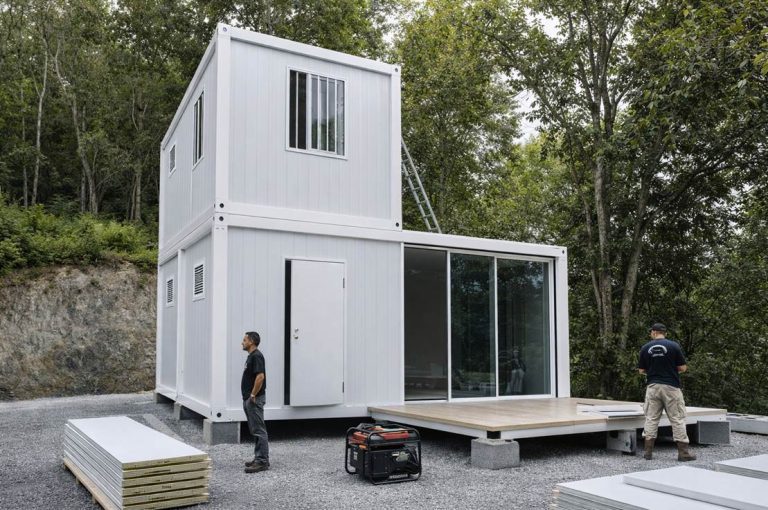
How Much Is a Prefab Tiny House?
The costs connected to owning a home haven't been this high before. Considering rising median home...
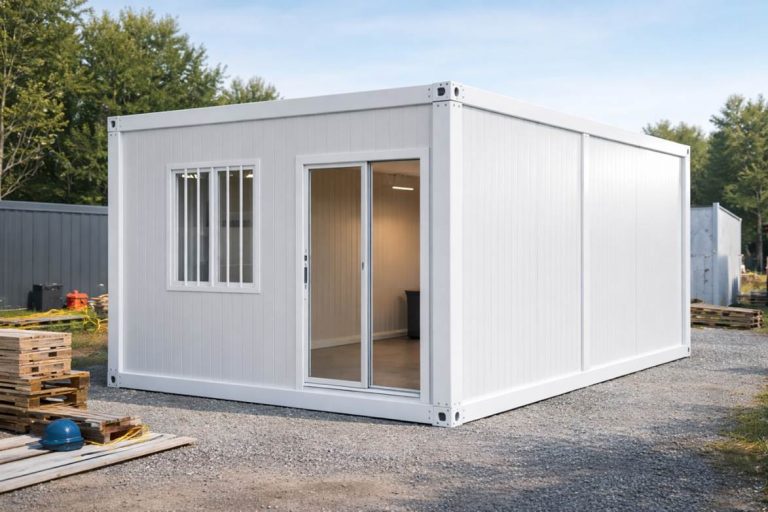
Container House Size: Standard Dimensions, Measurements and Layouts
There is no single standard size for every container house. Converted shipping container homes usually follow...
How to Choose the Best Container Camp for Your Outdoor Adventure
Container camps have changed outdoor experiences in many ways, allowing people to shift from tent camping...
Container house in Saudi Arabia makes living easy and smart
Container house in Saudi Arabia offers affordable, fast, and flexible living with climate-smart design and easy assembly for families and businesses.
Top 5 Container House Manufacturers in India
The demand for container houses in India has increased significantly over the last few years. This...
Prefabricated Workers' Quarters for Remote Workforce Accommodation
Prefabricated worker quarters refer to the factory-produced housing units that can accommodate workers and project staff,...


